The rule limits the size of the container, not how much is in it. That single misunderstanding accounts for most of what gets confiscated: a half-empty full-size shampoo bottle is not allowed, even though the liquid inside would fit the limit. Understanding that one point solves most of the problem.
How the rule works
For carry-on baggage, liquids, gels, aerosols, creams and pastes must be in small containers, and those containers must fit into a single transparent resealable bag, one per passenger. The specific container size and bag size are set by the security authority and are published on their site — we're deliberately not quoting the numbers here, because they differ slightly by country and a stale figure in a gift guide is worse than no figure.
The key mechanics, which don't change:
- Container size is what's assessed, not the volume of product remaining. Decanting into small bottles is the fix.
- Everything must fit in one bag, closed. If it doesn't close, it isn't compliant.
- The bag comes out for screening at most airports, which is why keeping it at the top of the bag saves time.
- Checked baggage is unaffected. Full-size toiletries are fine in the hold.
What counts as a liquid (more than people expect)
The category is broader than the word suggests. Gels, pastes, creams, aerosols and anything spreadable all count. In practice that catches: toothpaste, sunscreen, deodorant in stick or roll-on form depending on type, mascara and liquid foundation, peanut butter, soft cheese, yogurt and honey.
Solid versions of the same products are not liquids and are a genuinely useful workaround — solid shampoo bars, solid deodorant, toothpaste tablets and powder sunscreen all sidestep the rule entirely, which is why they've become popular with carry-on-only travelers.
The exemptions worth knowing
Medically necessary liquids, baby formula, breast milk and baby food are generally exempt from the standard limits in reasonable quantities. They're usually declared at the checkpoint and screened separately. If you're traveling with any of these, the practical advice is to declare proactively rather than hope — it's faster and it's what the process expects.
Duty-free liquids bought airside are handled through sealed tamper- evident bags, which is a separate system with its own conditions, particularly if there's an onward connection.
Why your airport may be different
This is the genuinely confusing part right now. Newer CT scanners let some airports relax the liquids rule, and a number have done so — while others, including many in the same country, have not, or have introduced and then re-tightened it.
The result is that travelers get inconsistent experiences and draw the wrong conclusion. Our advice is unglamorous: pack as though the standard rule applies, every time. Being over-prepared costs nothing; being under-prepared costs your toiletries. And check the departure airport's own guidance if it matters, since the airport, not the airline, sets this.
How to pack so nothing gets binned
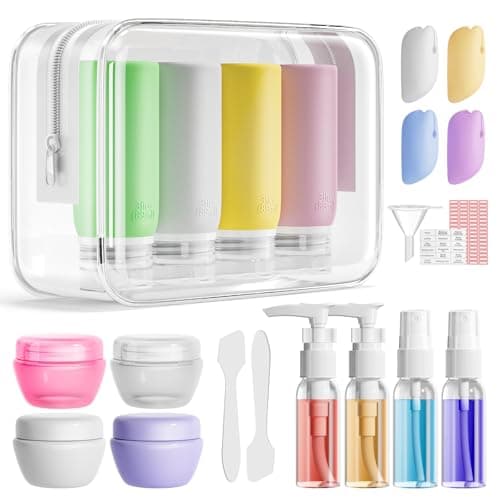
Decant into refillable bottles. A set of leak-proof silicone bottles is the single most useful purchase here — compliant by size, refillable indefinitely, and they replace buying travel minis forever. They're one of the best-value small gifts on the site for exactly this reason.
Keep the bag accessible. Top of the carry-on, not buried under a laptop.
Move the rest to the hold if you're checking a bag. There's no reason for full-size bottles to be in a cabin bag.
Consider solids. Shampoo bars and toothpaste tablets remove the problem rather than managing it.
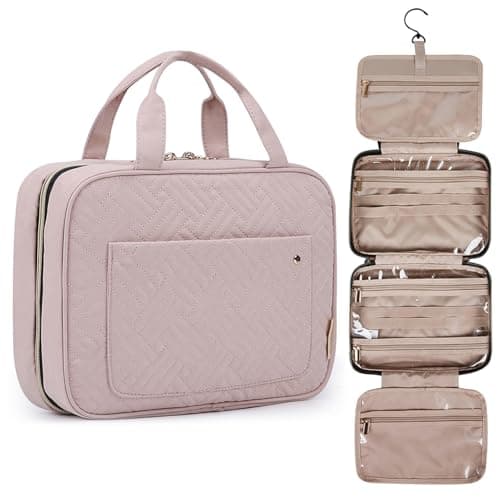
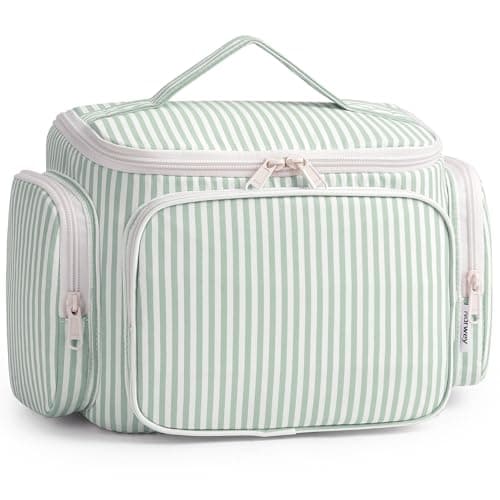
Use a proper toiletry bag. A hanging bag with a wipe-clean lining is the difference between a leak being a wipe and a leak being a laundry event — see our toiletry bag roundup.
The water bottle point
The rule applies to the contents, not the container. An empty bottle goes through security and refills at a fountain airside, which is why a collapsible bottle is such an efficient purchase — full-size when it's needed, flat when it isn't, and it removes any dependence on the drinks cart. It's on our long-flight accessories list for the same reason.
Packing toiletries for a carry-on
1. Decant, don't downsize by using up
Container size is assessed, not how full it is. A half-empty full-size bottle still fails.
2. Buy leak-proof, not just small
The valve is what separates a bottle set that works from one that redecorates a bag. This is where cheap sets differ.
3. Remember gels, creams and aerosols count
Toothpaste, sunscreen and mascara catch people out far more often than actual liquids do.
4. Consider solid versions
Shampoo bars, toothpaste tablets and solid deodorant aren't liquids at all, which sidesteps the rule completely.
5. Pack for the strict version
Some airports have relaxed the rule and many haven't. Assume the standard rule and you'll never be caught out.