The baggage allowance is the entire brief. Someone moving abroad is making a one-time, capped, expensive shipment of their own life. Most carriers allow two checked bags of about 23 kg each on a long-haul ticket, and everything beyond that is paid for by the kilo or left behind. A gift handed over the week before departure is not a nice thought — it is a line item in that calculation. Buy something heavy and you have given them a decision to make at 2 a.m. on packing night, with your name attached to it.
That one fact reorders this whole category. Weight, volume and day-one usefulness come first. Sentiment comes second — not because it matters less, but because the sentimental gifts that survive the trip are specifically the small flat ones. Everything below follows from that.
Moving is not traveling, and the gifts are different
A traveler is away from home and coming back. Everything they need fits around that: comfort for the journey, a few objects that make a hotel room tolerable, and a return date. Almost all of our other gift pages are written for that person.
Someone moving abroad has no home to come back to on the other side of the trip. For the first month they have no working bank card, no local phone number, no doctor, no bedding, no kitchen, no idea where to buy a plug adapter, and a pile of paperwork that decides whether they can stay. The journey itself is the least of it.
So stop thinking about the flight and think about the first week in the apartment. That is where a good gift lands. If you are buying for somebody taking a long trip rather than relocating — a semester, a posting, a few months of wandering — the framing in gifts for study abroad students and gifts for someone going to Europe fits better than this page does.
Rule one: never give them something to carry
The test for every candidate is simple. Picture it going into a suitcase that is already at 22.6 kg. If the answer is “they would take something else out to fit it”, it is the wrong gift, however good.
What that rules out, bluntly: framed photographs, hardback books, candles, ceramics, hampers, anything in a presentation box, blankets, cushions, kitchenware, a second suitcase they did not ask for, and almost anything described as a “hamper” or a “kit”. All of these are thoughtful. All of them are also between half a kilo and four kilos of someone else’s decision.
What it favors: small, flat, light, and high value per gram. An adapter, a document wallet, a tracker, a notebook, a good pen, a gift card that works in the destination country, a subscription, a scan of family photos on a drive rather than the album. If you want to give something physical and large, the honest move is to give it after they have moved and have an address — not before, when it is cargo.
Rule two: buy for day one, not for the flight
There is a specific, predictable list of things that are broken on the first day in a new country, and a gift aimed at any of them is disproportionately useful.
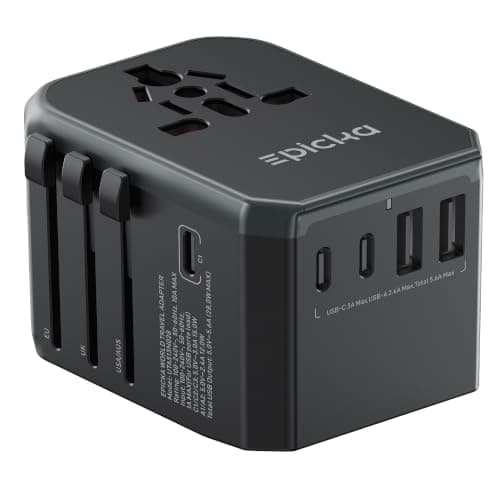
The plug is wrong. This is the first and most universal one. They arrive with a phone at 4 percent and a charger that does not fit the wall. A universal adapter is the single most useful object you can hand somebody moving abroad, and it stays useful for years — see our ranked travel adapters for the full set. One caveat that matters more for a mover than a tourist: an adapter changes the plug shape and nothing else. A 120 V appliance taken to a 230 V country will be destroyed by it, which is covered properly in travel adapter vs voltage converter. If they are planning to take a hair dryer, a kettle or a games console, that guide is a better gift than most objects.
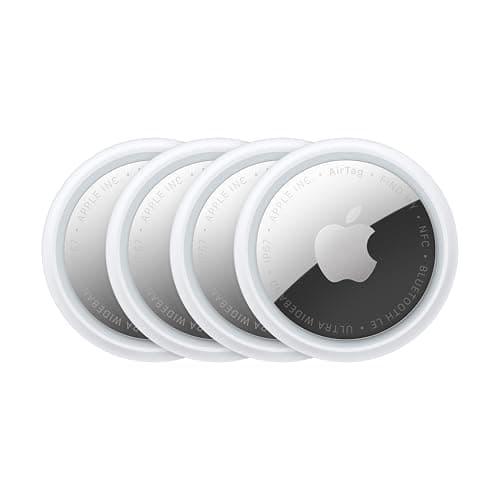
The bags are the whole life. On a normal trip a lost bag is a ruined week. On a move it is a meaningful share of everything the person owns. A tracker in each checked bag is cheap insurance, and the mechanism is worth understanding before you buy — we explain it in how to not lose your luggage.
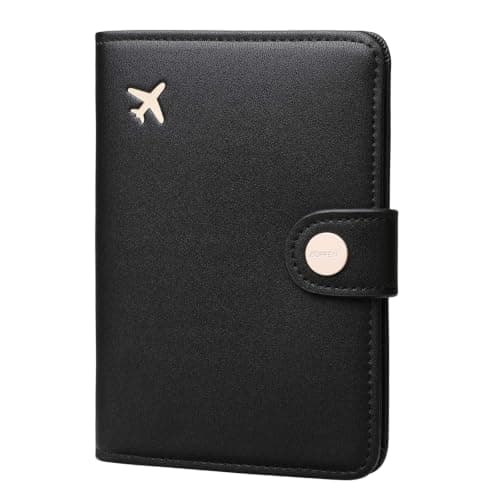
The paperwork becomes a part-time job. Visa letters, residency applications, tenancy documents, degree certificates, vaccination records, tax numbers. A mover handles more documents in their first three months than a traveler does in a decade, and they handle them in offices, in queues, with an appointment slip. One zipped organizer that keeps the passport and the paper stack together is a genuinely good, genuinely cheap present.
The phone and the money do not work yet. This is the most useful area and the one least served by objects. An eSIM for the destination country, credit on a service that does international transfers, or simply a gift card that works where they are going beats almost anything you can wrap. Say so out loud rather than hiding it in a card — practical gifts for a move are not unromantic, they are the romantic ones.
Rule three: do not buy what they can buy there
A move is not a camping trip. Wherever they are going has shops, and almost everything bulky is cheaper and more appropriate bought locally: towels, bedding, a kettle, cookware, a drying rack, hangers, a lamp, an umbrella for that climate. Shipping any of it is an expensive way to own the wrong version of it.
The exceptions are the things that are genuinely hard to replace at the destination, and they are worth asking about rather than guessing: prescription-strength anything, a specific coffee, a particular over-the-counter medicine with a different name abroad, books in their own language, a size of clothing or shoe that is hard to find locally, and the food item they will be sentimental about in month three. One good question — “what will you miss that you cannot get there?” — produces a better gift list than any article.
If you do send food, check what the destination country allows. Meat and dairy are restricted into a great many places, agricultural controls are strict in Australia and New Zealand in particular, and a confiscated gift is worse than no gift. Sealed, shelf-stable and clearly labeled is the rule of thumb; a jar of something homemade is the classic mistake.
Rule four: the hard part is month three, not week one
The logistics get solved. Everyone finds the supermarket. What people actually struggle with is the middle distance: the point where the novelty has worn off, the friendships have not formed yet, and the group chat back home has carried on without them.
Gifts that land in that period are the ones people remember. They have a shape in common — they create contact, or they create a record.
Contact: a standing video call in the calendar is free and worth more than anything here. A physical letter posted to their new address in month two is extraordinary, because nobody does it any more. Stamps and a few envelopes with your address already written on them is a real gift, and it weighs nothing.
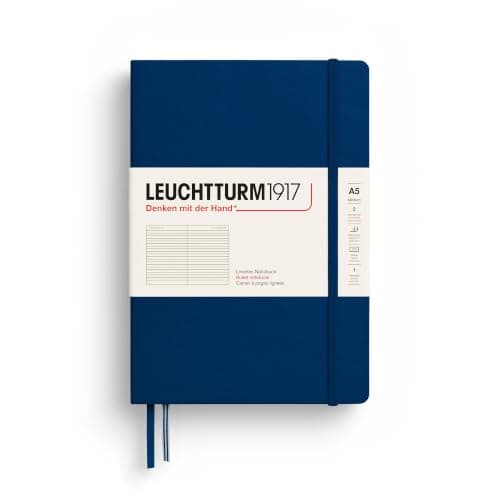
A record:a notebook is the obvious one and it is obvious because it works — the first year abroad is the most documented year of most people’s lives and the least remembered, because it all goes into a phone. A good notebook with the first page already written in by you is a gift people keep for decades. The same logic runs through gifts for journal lovers, and the full ranked set is on best travel journals.
Something familiar on a shelf. One small object from home — not a framed photo, a small object — does a disproportionate amount of work in an apartment full of furniture somebody else chose. Light, flat, and theirs.
Timing: give it before packing night
A gift handed over at the airport cannot be packed. It goes in a carry-on that is already full, or it goes home with a relative. Give practical gifts at least a week before the flight, so the adapter and the tracker can be packed deliberately rather than squeezed.
The exception is the one gift that is designed for the airport: something to read, something to eat, something for the flight itself. If that is your plan, it belongs in their hand luggage and should be small enough to say so.
And if you miss the window entirely, do not panic-buy at the gate. A gift posted to the new address three weeks later is better in every way: it costs them nothing in allowance, it arrives in the quiet stretch when the move stops being exciting, and it proves you remembered after the goodbye party ended.
What not to buy, specifically
A “country starter kit”. Phrasebooks, novelty flags and themed snacks are a joke gift, and the recipient has to decide whether to carry a joke across an ocean.
Any appliance. Voltage, plug shape, warranty and service are all wrong in the new country, and a 120 V device in a 230 V socket is a small fire.
Clothing. Sizing conventions differ, the climate is probably different, and returns across a border are impossible.
Anything breakable. It will be in a checked bag handled by four different ground crews. The rule in travel gifts to avoid applies double here.
A second suitcase they did not ask for. Luggage is a deeply personal purchase and anyone moving abroad has already thought about it harder than you have.
What to spend
Less than you think, and more carefully. This is the one gift occasion where a twenty-dollar object genuinely beats a hundred-dollar one, because the constraint is not budget, it is grams and usefulness. If you want to spend more, spend it on things with no weight at all: the flight your friend takes to visit them, a transfer that covers their first month’s deposit, a subscription that works in the new country, or a standing commitment to a call every Sunday. Our guide to how much to spend on a travel gift works through the same arithmetic for ordinary trips. The four picks below are the physical ones we would actually buy, and we publish a live price on each rather than a number that goes stale.