Buy for the weekend trips, not for the semester. The dorm or homestay comes with a bed, a desk and a wall socket, and anything missing can be bought locally in week one. What genuinely doesn't get sorted is the pattern that defines studying abroad: a dozen cheap weekend trips out of a fixed base, on budget airlines, with a bag that has to fit a sizer.
The three things that are always needed
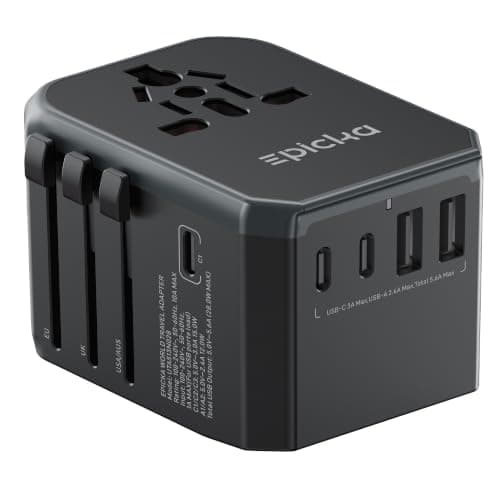
An adapter, immediately. Not on arrival — before departure. A student landing at 6am with a dead phone and no way to charge it is the most predictable problem in this entire category, and it happens constantly. One universal block with its own USB ports covers every country they'll visit on those weekend trips too. Our travel adapter roundup explains why it must be an adapter and, for hair tools, why it isn't enough.
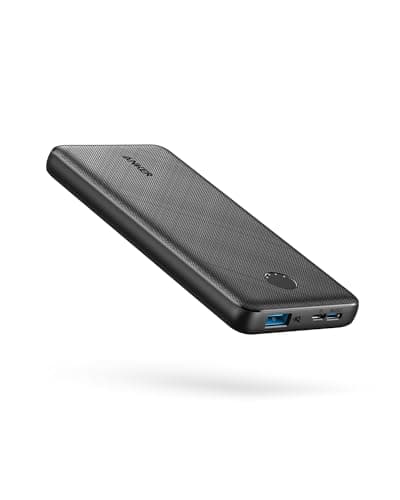
A power bank. Long days out with maps, translation, tickets and photos all running on one phone. A 10,000mAh bank is roughly two full recharges and is the size that fits a jacket pocket — big enough to matter, small enough to actually get carried. One rule to pass on: power banks must travel in the cabin, never in checked baggage, and our power bank guide covers the capacity limits.
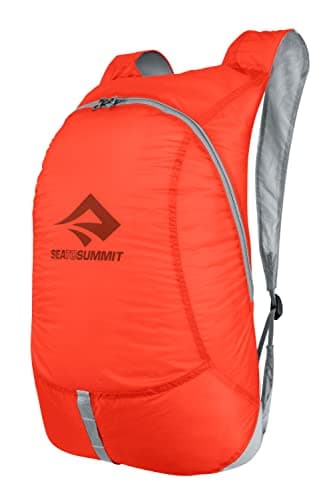
A packable daypack. The base is fixed, so the main suitcase stays in the room and every trip is a carry-on-only weekend. Something that stuffs into a pocket and becomes a real bag is the exact shape of the problem.
Documents, and the thing nobody thinks about
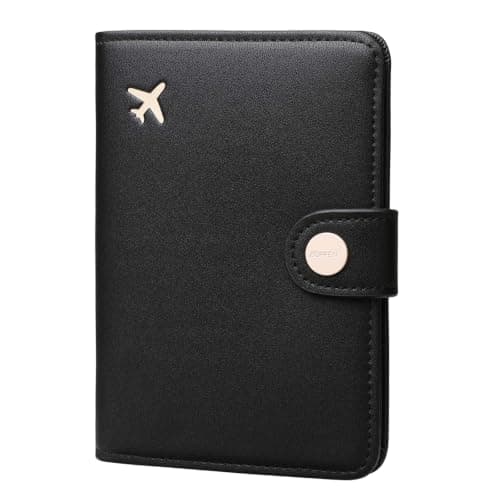
A study abroad student carries more paperwork than a normal traveler: a passport, a visa or residence permit, a student ID, an insurance card, and frequently a national ID card issued locally. Losing that stack in a foreign country is a genuinely bad week.
A cheap document wallet is not a glamorous gift and it is one of the most useful ones. Pair it with the practical advice that goes with it: keep a photograph of every document in cloud storage, keep a physical photocopy somewhere separate from the originals, and register with the home country's embassy where that's offered. Our travel wallet roundup covers the slim-versus-organizer choice.
The hostel and shared-room reality
Weekend trips at student prices mean hostels, and hostels mean two specific products.
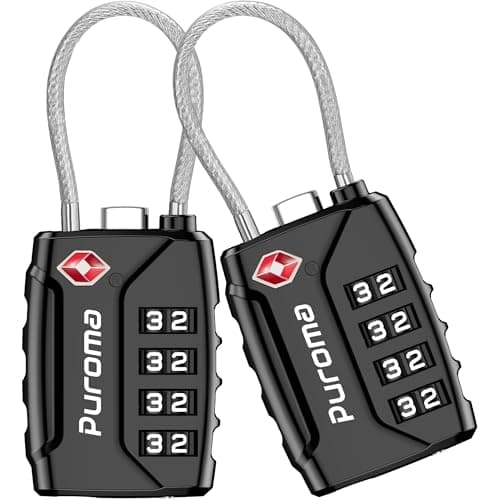
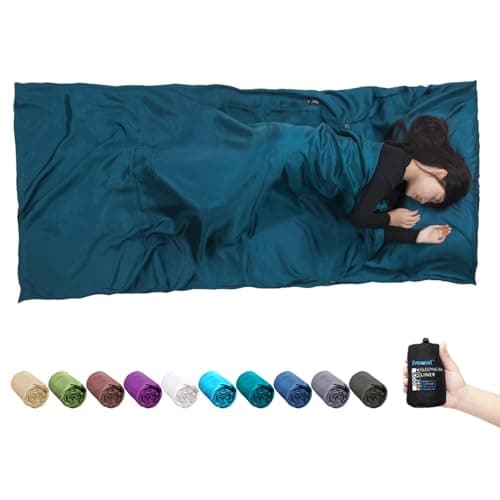
A set of small padlocks for hostel lockers — most hostels provide the locker and not the lock, which surprises first-timers every time. And a silk sleeping bag liner, which packs to the size of a fist and puts a clean layer between the traveler and a bed of unknown history. Neither is expensive; both are the kind of thing nobody buys for themselves before the first trip teaches them to.
Our gifts for backpackers list covers the rest of that category in more depth. And if the departure is permanent rather than a semester — a job offer, a visa, a one-way ticket — the rules invert, because the baggage allowance becomes the whole brief: gifts for someone moving abroad works through that version.
The memory-keeping question
Something worth knowing about this specific gift category: a semester abroad is one of the few travel experiences people genuinely document afterwards, and the gifts that get mentioned years later are almost always the recording ones rather than the practical ones.
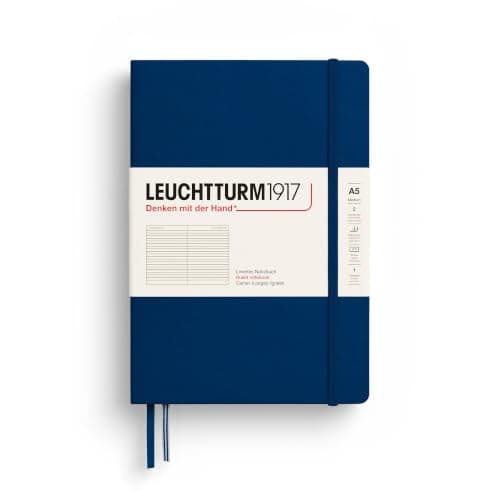
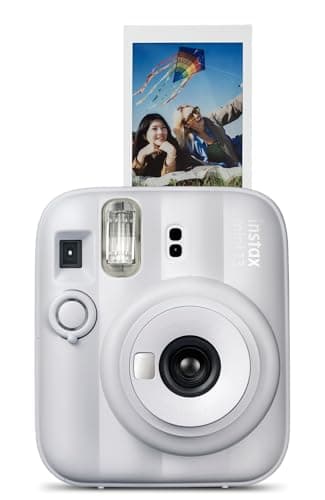
An instant camera produces physical photographs that end up on a dorm wall during the semester rather than in a phone's camera roll forever. A good notebook gets used because there's time and there's material. Both are cheap, both are light, and both do something the practical gifts can't. If you're buying two things, make one of them practical and one of them this.
What to skip
- Anything electrical from home. Hair dryers, straighteners, kettles. Single-voltage heating tools don't survive a 220-volt socket even with an adapter — the fix is buying a cheap local one on arrival, not a converter.
- Large luggage. They have a suitcase, and the airline allowance is the real constraint. A second big bag is a problem, not a gift.
- Country-specific guidebooks. Their phone does this better and the itinerary changes weekly.
- Bulky comfort items from home. The pillow, the blanket, the shoes. Every one of them costs suitcase weight they'll need for the return trip.
How to choose a gift for a study abroad student
1. Will they take weekend trips?
Almost always yes, and it's the pattern that defines the semester. Buy for a series of two-night carry-on trips, not for one long journey.
2. Does it fit the airline allowance both ways?
Anything you give has to fly out and fly home, and the return trip is the one with souvenirs in it. Light and packable is the rule.
3. Is it available locally?
Towels, bedding, hangers and kitchen basics all are, and are cheaper there. Don't spend suitcase weight on things a supermarket in the destination sells.
4. Dorm, homestay or apartment?
A homestay comes with everything and needs almost nothing. An unfurnished apartment changes the answer entirely — and a gift card is the honest response to that one.
5. Practical or memory-keeping?
Buy one of each if you can. The practical gift gets used all semester; the camera or notebook is the one they still have in ten years.