Skip to content
Jet & Jot

03 — Buying Guides

Hard Shell vs Soft Side Luggage

Buy hard if something inside can break. Buy soft if the bag has to squeeze, weigh little, or hold things you need without opening it.

By Stephen V.Updated How we choose
#ad

We earn a commission when you buy through our Amazon links, at no extra cost to you. It never changes the pick, and we say plainly when the cheaper option is the better buy. How this works.

Ask what's going inside, not which looks better. If the answer includes a camera, a laptop in the hold, bottles or anything breakable, buy a hard shell. If the answer is clothes and shoes and the bag needs to be light and squeezable, buy soft. That single question resolves most of this argument.

What hardside is actually better at

Crush protection. The whole point. Checked bags get stacked under other bags, and a rigid shell is the only thing standing between the contents and that weight.

Weather and spills. A sealed shell shrugs off rain on a tarmac and a leaking bottle inside. Fabric absorbs both.

Wiping clean. Relevant more often than it sounds — belts are filthy, and a fabric bag holds every mark it collects.

Packing discipline. A clamshell that opens into two equal halves with internal straps is a genuinely tidier way to pack than a single deep cavity.

What softside is actually better at

Weight. Usually the lighter option, and on airlines that weigh cabin baggage the empty weight comes out of the same allowance as everything you pack. We make this argument at length in the Travelpro Maxlite 5 review, because it's the most under-rated specification in luggage.

External pockets. A laptop, a passport, a book or a bottle reachable without opening the main compartment. Hardside cases essentially cannot offer this, and for anyone using the bag as a carry-on it's a daily convenience.

Squeezing. A soft bag compresses into an overfull overhead bin, or into a budget-airline sizer, where a rigid shell simply will not go. See carry-on size rules for how much that matters on low-cost carriers.

Expansion that works. Soft bags expand and then compress back down. Expanded hardsides often won't close properly again once the contents have shifted.

The failure modes, honestly

Hardside cracks. Polycarbonate is tough and flexes; cheaper ABS is more brittle, and both get less forgiving in genuine cold. A cracked shell is unrepairable in a way a torn fabric panel usually isn't.

Hardside scuffs visibly. Glossy finishes in particular show every scrape from the first trip. Matte and textured finishes hide it far better, which is worth knowing if the recipient cares how the bag looks.

Softside stains and soaks. Fabric absorbs rain and marks, and the lighter colours show it permanently.

Both die at the wheels. This is the important one. Suitcases almost never fail in the middle of the shell — they fail at the wheels and the telescoping handle, the only moving parts. Material choice barely affects this, which is why warranty coverage on those components matters more than hard-versus-soft.

Zips, and the thing nobody checks

On both types, the zip is the second most common failure after the wheels. What to look for is a chunky, well-anchored zip with a substantial pull, rather than the thin coil zips on cheap cases. It's also worth knowing that no zipped bag is genuinely secure — zips can be defeated easily — which is why TSA-accepted locks are a deterrent rather than protection, and why valuables belong in the cabin regardless of which material you chose.

Which to buy, by traveler

Buy hardside if: they check bags regularly, carry camera or audio gear, travel to wet climates, or want a bag that still looks clean after ten trips.

Buy softside if: they fly carriers that weigh cabin baggage, want external pockets for a carry-on, over-pack and need the bag to squeeze, or want maximum capacity per pound.

Buy neither if: the trip involves stairs, cobbles and multiple stops — that's a backpack question, covered in travel backpack vs carry-on suitcase.

For the ranked shortlist of both materials with live prices, see our carry-on luggage roundup.

The short answer

Quick picks

#GiftBest forScorePrice
01
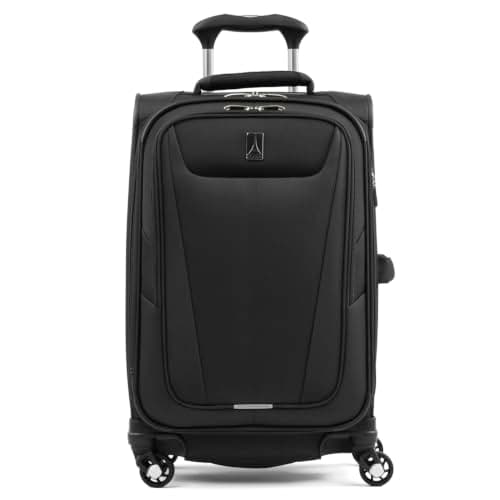
Travelpro Travelpro Maxlite 5 Carry-On
Travelpro Maxlite 5 Carry-On

The bag flight crews actually buy — light, soft-side, and it swallows more than it should.

The frequent flyer who wants it to last
9.0
$160.00Amazon
02
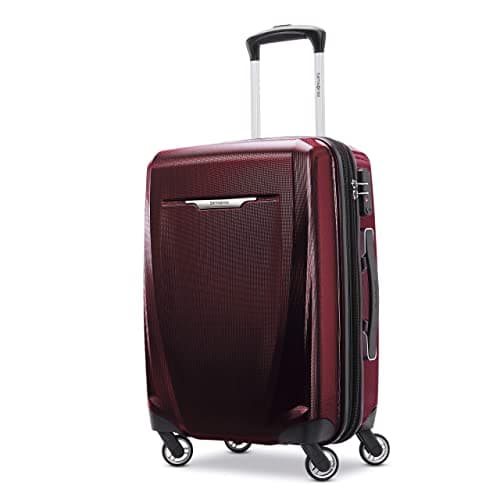
Samsonite Samsonite Winfield 3 DLX
Samsonite Winfield 3 DLX

A polycarbonate hard shell from a name people trust — the safe, handsome gift.

A gift that looks and feels premium
8.8
$129.99Amazon
03
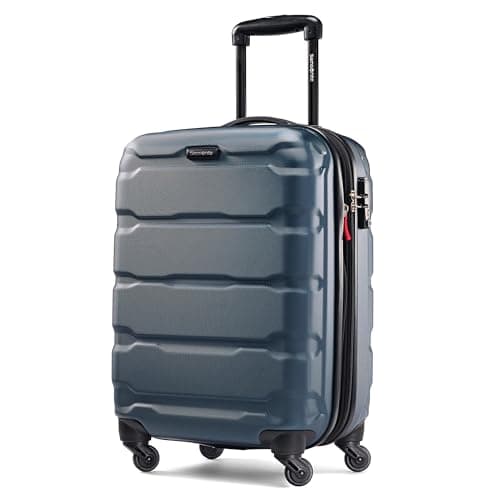
Samsonite Samsonite Omni PC Carry-On
Samsonite Omni PC Carry-On

The internet's long-time value hard-shell — Samsonite build, not-quite-Samsonite price.

The best all-round value hard shell
8.8
$113.14Amazon
04
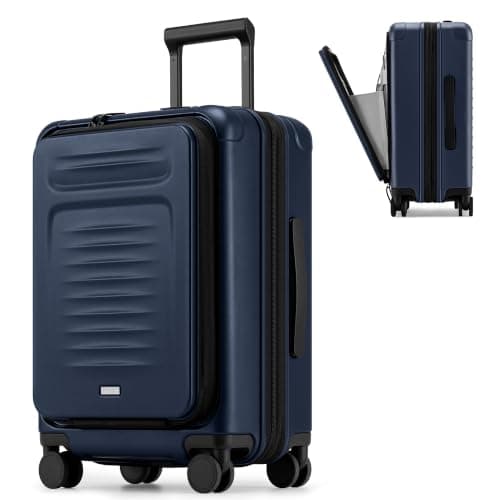
Coolife Coolife Carry-On
Coolife Carry-On

A feature-packed hard shell — TSA lock, cup holder, USB port — for a mid-budget price.

Gadget-lovers who want extras
8.0
$89.99Amazon

#ad · Live prices from the Amazon Product API, as of Aug 11, 2026. Where we have no verified live price, we show none — we would rather leave a gap than print a number that has gone stale.

In detail

The picks, in full

01
Travelpro Travelpro Maxlite 5 Carry-On

The frequent flyer who wants it to last

Travelpro Maxlite 5 Carry-On

Softside expandable4 spinner wheelsUnder 6 lbsLifetime limited warranty
9.0/10

The bag flight crews actually buy — light, soft-side, and it swallows more than it should.

Usefulness
10
Portability
9
Durability
9
Value
8
Giftability
9

Good

  • Genuinely light, which matters when the airline weighs your carry-on
  • Soft sides squish into tight overhead bins hard shells can't
  • Travelpro is the brand pilots and crews pick for a reason

Trade-offs

  • Fabric scuffs where a hard shell would wipe clean
  • Less crush protection for anything fragile inside

Skip it if…

they pack breakables or want a wipe-clean shell. A softside bag is lighter and more forgiving in a bin, but a hardside protects fragile contents better.

$160.00View on Amazon

Price as of Aug 11, 2026. Prices change — Amazon's is the one that counts.

#ad · we may earn a commission from this link to Travelpro Maxlite 5 Carry-On

02
Samsonite Samsonite Winfield 3 DLX

A gift that looks and feels premium

Samsonite Winfield 3 DLX

Polycarbonate shellTSA lock built inDual spinner wheels10-year warranty
8.8/10

A polycarbonate hard shell from a name people trust — the safe, handsome gift.

Usefulness
9
Portability
8
Durability
9
Value
8
Giftability
10

Good

  • Hard shell wipes clean and shrugs off airport handling
  • Built-in TSA lock — one less thing to buy
  • Samsonite's name does real reassurance work as a gift

Trade-offs

  • Heavier than the soft-side Travelpro
  • Hard shells crack rather than scuff if abused

Skip it if…

every ounce counts against a strict carry-on weight limit. The Maxlite 5 is lighter; this trades some of that for a protective shell.

$129.99View on Amazon

Price as of Aug 11, 2026. Prices change — Amazon's is the one that counts.

#ad · we may earn a commission from this link to Samsonite Winfield 3 DLX

03
Samsonite Samsonite Omni PC Carry-On

The best all-round value hard shell

Samsonite Omni PC Carry-On

Polycarbonate shellTSA combo lockSpinner wheelsMicro-diamond finish
8.8/10

The internet's long-time value hard-shell — Samsonite build, not-quite-Samsonite price.

Usefulness
9
Portability
8
Durability
9
Value
9
Giftability
9

Good

  • Years of glowing owner reviews for durability at this price
  • The textured finish hides scuffs the glossy shells show
  • Samsonite reliability without the flagship cost

Trade-offs

  • The interior organization is basic
  • Wheels are good, not the smoothest here

Skip it if…

you want the lightest possible bag. It's a sturdy hard shell, so it weighs more than the soft-side Maxlite 5.

$113.14View on Amazon

Price as of Aug 11, 2026. Prices change — Amazon's is the one that counts.

#ad · we may earn a commission from this link to Samsonite Omni PC Carry-On

04
Coolife Coolife Carry-On

Gadget-lovers who want extras

Coolife Carry-On

Hardside spinnerBuilt-in TSA lockUSB port + cup holderAirline carry-on size
8.0/10

A feature-packed hard shell — TSA lock, cup holder, USB port — for a mid-budget price.

Usefulness
8
Portability
8
Durability
7
Value
9
Giftability
8

Good

  • Throws in extras the premium brands charge for or skip
  • TSA lock and a genuinely useful front cup holder
  • Looks far pricier than it is

Trade-offs

  • Long-term durability isn't on the Samsonite's level
  • The extras add a little weight

Skip it if…

they'd rather have proven longevity than gadgets. The features are fun; the Travelpro will simply outlast it.

$89.99View on Amazon

$119.9925% off

Price as of Aug 11, 2026. Prices change — Amazon's is the one that counts.

#ad · we may earn a commission from this link to Coolife Carry-On

Decide in five questions

1. Can anything inside break?

Cameras, bottles, electronics in the hold: hardside. Clothes and shoes: the question is open.

2. Does the airline weigh carry-ons?

If yes, empty weight matters enormously and softside usually wins.

3. Do they want to reach things without opening it?

External pockets are a softside-only feature and a real daily convenience on a carry-on.

4. How cold and how rough?

Genuine cold makes cheaper hard shells more brittle; wet climates punish fabric. Match the material to the conditions.

5. What does the warranty cover?

Wheels and handle are what fail. Cover on those matters far more than the shell material — read the terms rather than the word "lifetime".
How we chose

We don't run a testing lab — and we say so

Every ranking site in this category implies a test bench. We don't have one. We compile the published specs (real dimensions, weight, capacity, TSA and cabin-size compliance), do the arithmetic a gift buyer actually cares about, pull live prices so nothing is stale, and score each pick against a published rubric. The scores are judgments from documented research — not measurements we took. Where a fact came from a manufacturer or a retailer, we name and link them in Sources.

Questions

Frequently asked

Is hardside or softside luggage better?
Hardside for crush protection, weatherproofing and wiping clean. Softside for lower weight, external pockets and squeezing into a full overhead bin or a strict sizer. Decide by what's going inside: if anything can break, buy hard; if it's clothes and the bag must be light, buy soft.
Does hard shell luggage crack?
It can. Polycarbonate is tough and flexes rather than shattering; cheaper ABS is more brittle, and both become less forgiving in genuine cold. The practical difference is that a cracked shell is usually unrepairable, whereas a torn fabric panel often can be fixed.
Which is lighter, hard or soft luggage?
Softside is usually lighter, and it matters more than people expect: on airlines that weigh cabin baggage, the empty bag counts toward the same allowance as its contents. Several pounds of shell and wheels is several pounds of clothes you can't bring.
Do hardside suitcases have external pockets?
Essentially not — a sealed rigid shell can't offer them, which is softside's clearest everyday advantage. Being able to reach a laptop, a passport or a bottle without opening the main compartment is a real convenience when the bag is being used as a carry-on.
Where do suitcases actually break?
At the wheels and the telescoping handle, then the zip. Almost never in the middle of the shell. Because material choice barely affects those failure points, warranty coverage on wheels and handle matters more than hard-versus-soft when you're comparing two decent bags.
Are zipped suitcases secure?
Not really — zips can be defeated easily regardless of the shell material, which is why TSA-accepted locks are a deterrent rather than real security. Valuables belong in a personal item in the cabin, not in a checked bag of either type.

Keep reading

Receipts

Sources

We don't run a testing lab, and we don't pretend to. Product facts come from manufacturer spec sheets and retailer listings, which we name and link. Where we couldn't verify something, we say so on the page rather than quietly leaving it out. Read our full method.