Buy the socks first. Darn Tough merino hiker socks are our top pick and they are for anyone who walks far enough to get blisters — which is nearly everyone, and the only failure on this page that ends a hike early and then hurts for three days afterward. The budget pick is the 4Monster packable daypack: the cheapest item here that solves a problem a hiker genuinely has, which is carrying a day’s water, layers and food without bringing a full pack.
Rank the kit by consequence, not by price
Hiking gear lists are almost always ordered by glamour: the GPS watch, the satellite messenger, the technical shell, and then somewhere near the bottom, socks. Invert it. Ask what actually happens when each item is missing or fails, and the order changes completely.
- Socks fail and the hike ends. A blister at mile three of eight is not an inconvenience, it is a limp back to the car and a week of discomfort. There is no workaround in the field and no other item in a pack that substitutes.
- Light fails and the hike becomes dangerous. Being caught out after dark is the single most common way an ordinary day hike turns into a rescue, and it happens because people misjudge how fast the light goes, not because they planned a night hike.
- The bag fails and you carry things in your hands. Annoying, survivable, fixable.
- The first aid kit fails and a small injury stays a small injury, uncomfortably. Unless it does not, which is the whole reason you carry one.
- The satellite messenger fails and nothing happens at all — until the day it is the only thing that matters. High consequence, very low probability. That combination belongs at the bottom of a shopping list and at the top of a packing list for anywhere genuinely remote.
This is the ranking that follows, and it is why the cheapest item on the page is near the top and the most expensive one is last.
How we chose
Four criteria, weighted for a gift buyer rather than a thru-hiker counting grams.
- Consequence of failure, first. As above. Anything whose absence can end a day out ranks above anything whose absence is merely uncomfortable.
- Does the brand stand behind it? A published, unconditional guarantee is a real, checkable fact rather than a marketing adjective — and in a category full of adjectives it is one of the few signals a buyer can rely on.
- Does it work for a beginner without instruction? A headlamp with a simple mode cycle beats one with a menu. A pre-built kit beats a list of supplies. Gift recipients do not read manuals.
- Is it the right size for a day, not an expedition? Most hiking is day hiking. Kit sized for a week is kit that stays at home.
We compile published listing specifications, manufacturer descriptions and published guarantee terms, score each pick against our published rubric, and read prices from the live price layer at request time. We have not walked a test route in any of this and we publish no measurements of our own. Nothing here is a medical recommendation; a first aid kit is supplies, and training is the part that matters.
Which essential for which hiker
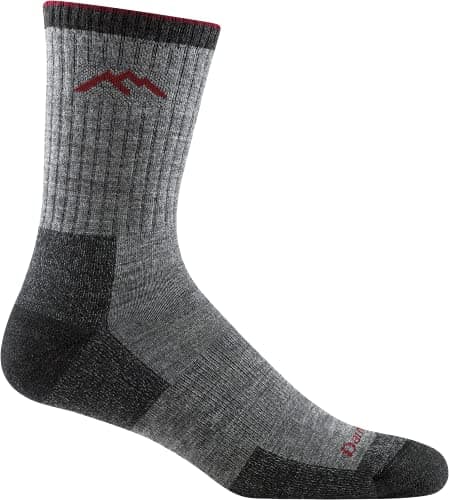
Anyone who walks more than a couple of miles. Darn Tough merino hiker socks. Merino manages moisture rather than holding it, cushioning sits where the pressure is, and the brand publishes a lifetime guarantee — which is both a genuine differentiator in a category where socks wear through in a season, and the reason this makes a good gift: it is a consumable the recipient will never have to buy again.
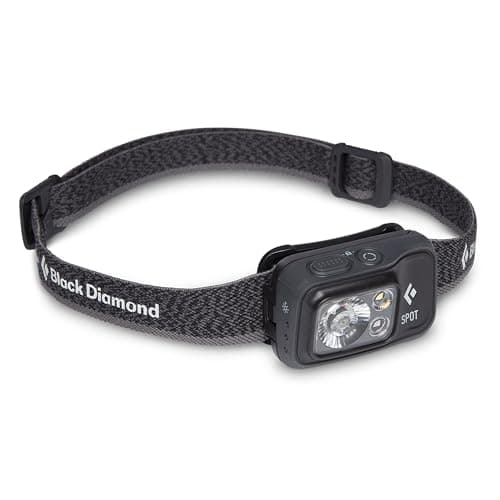
Anyone who has ever misjudged sunset. The Black Diamond Spot 400 headlamp. 400 lumens, a waterproof rating, a red night mode that preserves night vision and does not blind the person next to you. Hands free is the whole point: a phone torch occupies the hand you need for a trekking pole, a map or a scramble. This is the item most day hikers do not own and should.
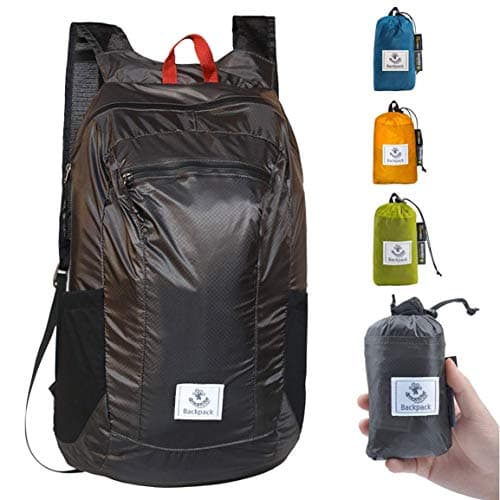
A traveler who hikes rather than a hiker who travels. The 4Monster packable daypack — our budget pick. It stuffs into its own pocket, which means it lives inside a travel backpackor a suitcase permanently and comes out on the day a trail appears. Around 20 litres is exactly a day’s water, layers and lunch. If the recipient hikes seriously and wants a proper pack, our packable daypack roundup ranks the technical options.
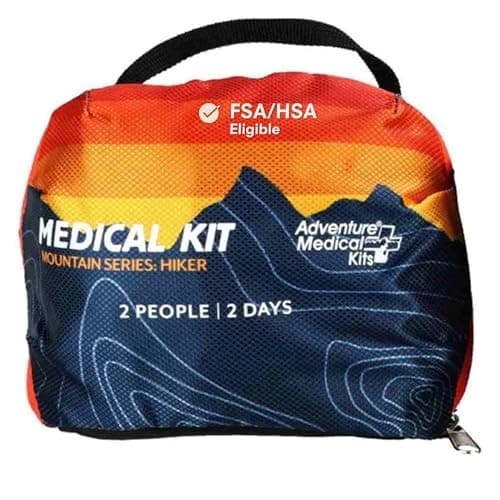
Somebody heading out of cell range. The Adventure Medical Kits Mountain Series Hiker kit. The reason we rank a pre-built kit over a shopping list is the wilderness first aid guide included in it: the contents matter far less than knowing what to do with them, and this is the kit that acknowledges that. A trauma pad and an elastic bandage are the two items a hiking kit has that a general travel kit does not.
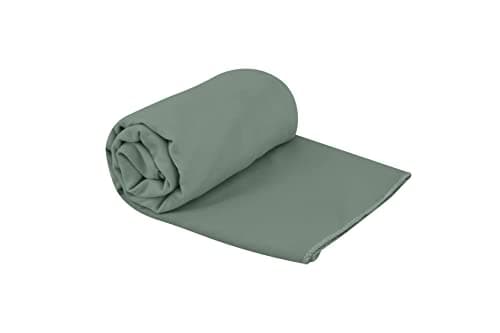
Anyone who swims, camps or sweats through a shirt. The Sea to Summit DryLite towel. It packs to a fist, dries itself out rather than staying damp in a pack, and is the difference between a lake swim being a good idea and a bad one. Unglamorous, used constantly.
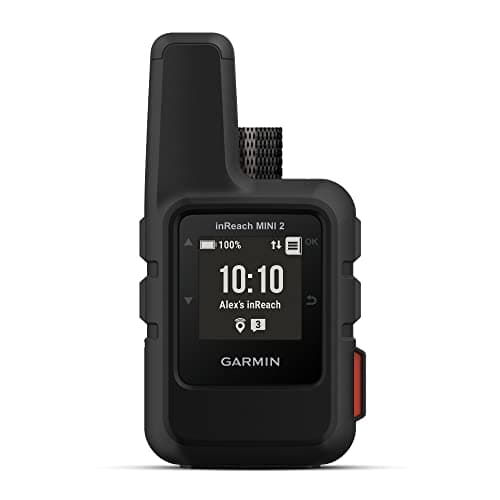
The hiker who goes where there is genuinely no signal. The Garmin inReach Mini 2. Two-way messaging and an interactive SOS over a satellite network, in a palm-sized unit. This is the one item here that requires a subscription and real thought, so it is a deliberate gift for a specific person — a backcountry regular, a solo hiker, someone whose family worries — and the wrong gift for a weekend trail walker. Our gifts for adventure travelers list sets out who that person is.
What this page deliberately does not rank
Boots. The single most important item in hiking, and un-giftable: fit is individual, it depends on foot shape and sock thickness, and a boot bought online for somebody else is a boot that gets returned. Buy the socks and let them buy the boots.
Water filters and insulated bottles. Both belong in a hiking kit, and we are not ranking them here today because our price layer currently shows no verified live offer for the two we would otherwise recommend. We would rather leave a gap than rank something we cannot price honestly. For hydration that we can stand behind, the water bottle roundup is the page.
Trekking poles. Genuinely useful on descents and genuinely a matter of preference — plenty of experienced hikers dislike them. Not a safe gift.
Anything sold as a “survival kit.” The multi-tool-and-paracord bundles are built to look reassuring in a photograph. A real first aid kit, a light and a way to call for help do the job those products imply.
Buying it as a gift
Hiking is a category where a gift buyer can get this very right or very wrong, and the dividing line is whether you are buying equipment or buying consumables. Equipment — packs, poles, boots, electronics — is full of personal preference and existing opinions. Consumables and safety items — socks, a headlamp, a first aid kit, a towel — are things experienced hikers genuinely need replaced and rarely buy for themselves at the right moment.
So the reliable gift is a bundle of the second kind: socks plus a headlamp is under a hundred dollars and covers the two highest-consequence failures on this whole page. Add the first aid kit and it is a complete day-hike safety upgrade. Our how much to spend on a travel gift guide sets out the bands, and gifts for hikers and gifts for campers are the wider lists if you want options beyond the essentials.
Shop in order of consequence
Socks, light, bag, first aid, comfort, communication. Anything whose absence can end a day out or turn it dangerous outranks anything that merely makes it nicer, however much more interesting the expensive items are.
Merino, not cotton, and never a thin sports sock
Merino manages moisture instead of holding it against the skin, which is the mechanism behind most blisters. Cushioning should sit where the pressure is. A published lifetime guarantee is the single most checkable quality signal in the category.
A headlamp, not a phone torch
The hand matters more than the lumens. A phone torch occupies a hand you need for a pole, a map or a scramble, and it drains the battery you may need to call somebody. Look for a published waterproof rating and a red mode.
Size the bag for a day, because most hikes are days
Around 20 litres carries water, layers and food. A pack sized for a week is a pack that stays in a closet. A daypack that stuffs into its own pocket can live inside a suitcase year-round, which is how it ends up being used.
Buy the pre-built first aid kit, then learn it
A pre-built kit beats a shopping list because a gift recipient will actually carry it, and the included guide is the part that matters. Open it at home once before the first hike so the contents are familiar. This is supplies, not training, and it is not medical advice.
Do not buy boots for somebody else
Fit is individual, it interacts with sock thickness, and the only reliable way to buy is to try. It is the most important item in hiking and the worst possible gift.