There is no single carry-on size, and any bag sold as "universally carry-on compliant" is overstating things. What exists is a rough consensus among major full-service airlines, and a second, much tighter set of limits at budget carriers who enforce them with a metal sizer at the gate. Knowing which world you're in is the whole game.
The four numbers that decide whether a bag flies
1. Linear dimensions. Height, width and depth. Most full-service carriers cluster around a similar cabin-bag envelope, but the exact figures differ by a couple of inches in each direction, and a couple of inches is the difference between fitting a sizer and not.
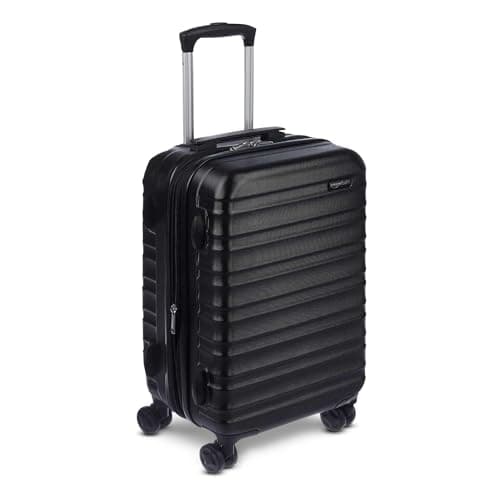
2. Whether wheels and handles count. This is the one that catches people. Most airlines measure the bag including its wheels and its external handle, and many manufacturers quote the dimensions of the body only. A bag advertised as compliant can measure over once the wheels are included. If you're comparing specs, look for whether the figure is quoted "including wheels".
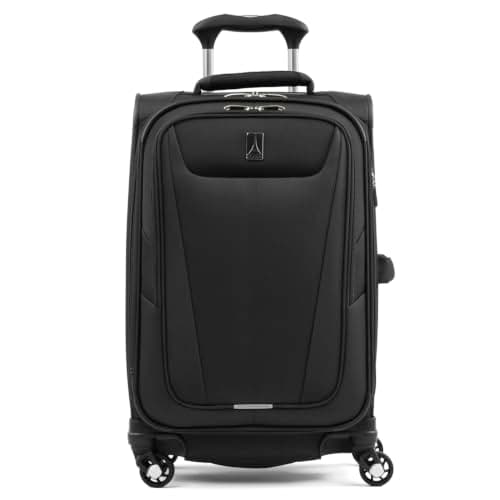
3. Weight. Widely forgotten by American travelers, because many US carriers don't weigh cabin bags. Plenty of European, Asian and Australian carriers absolutely do, with limits that a heavy suitcase eats into before anything goes in it. This is the whole reason empty weight matters, which we argue at length in the Travelpro Maxlite 5 review.
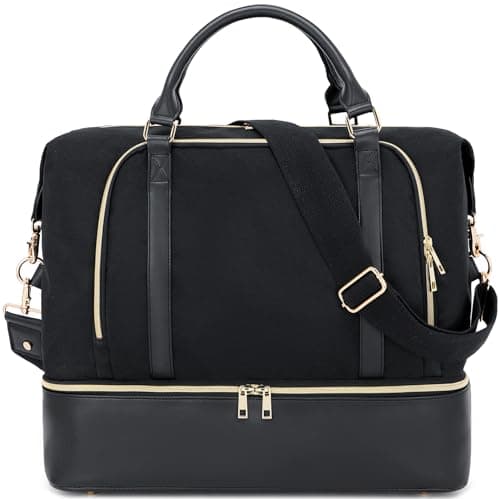
4. Personal item allowance. Separate from the carry-on and equally variable. Some carriers give a generous under-seat allowance; some budget airlines allow only a personal item unless you pay, and the sizer for that is genuinely small.
Why the same bag passes and fails
Three reasons, in order of how often they bite.
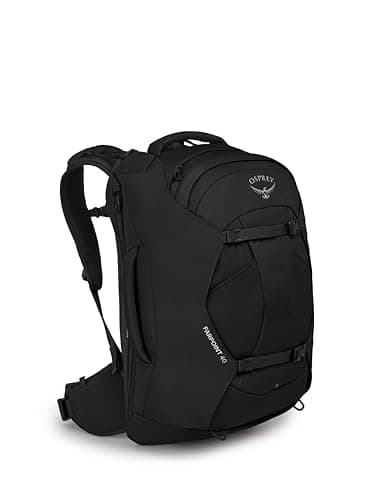
How full it is. A soft bag packed loosely slides into a sizer; the same bag stuffed becomes rounded and thick and won't. This is why a 40-liter travel backpack is fine on most trips and rejected on the one where someone packed a coat — see the Osprey Farpoint 40 review for that specific case.
Whether anyone checks. Enforcement is inconsistent by design. Budget carriers make real revenue from gate fees and check actively; full-service carriers often don't look unless the flight is full. A bag that has "always been fine" has often just never been measured.
Expansion zips. An expandable bag is only compliant unexpanded, and people forget which state theirs is in. If you buy an expandable bag, treat the expansion as a checked-bag feature.
What to actually do before a trip
- Check the specific airline, not a general figure. Every carrier publishes its cabin baggage dimensions. It takes a minute and it's the only reliable source — this page deliberately doesn't quote numbers, because they change and a stale figure is worse than none.
- Measure the bag yourself, including wheels. Don't trust the marketing dimensions.
- Weigh it if the airline weighs. A cheap luggage scale settles this at home rather than at a desk with a queue behind you.
- Know the personal item rule separately. On budget carriers this is often the only free allowance.
How this should change what you buy
If they fly budget carriers regularly, buy smaller than you think. The frustration of a gate fee dwarfs the inconvenience of a slightly smaller bag. A soft bag also helps, because it squeezes where a rigid shell won't — that's one of softside's genuine advantages, covered in hard shell vs soft side luggage.
If they fly full-service and check bags anyway, size matters much less and you can optimize for protection and organization instead.
If the trip involves both, the constraint is the strictest airline on the itinerary, not the average one.
Our carry-on luggage roundup and travel backpack roundup both flag where a bag sits relative to common limits, and how to pack a carry-on covers getting more into the space you're allowed.
The honest summary
Carry-on rules are a moving target maintained by dozens of airlines with commercial reasons to differ. The reliable strategy isn't memorizing numbers — it's buying a bag comfortably inside the strictest limit you'll face, packing it so it stays that shape, and checking the specific carrier before a trip that matters.
Buying a bag that won't get rejected
1. Buy for the strictest airline on the itinerary
Not the average. One budget leg sets the constraint for the whole trip.
2. Check whether quoted dimensions include wheels
Manufacturers often quote the body only; airlines measure the whole object. This gap is the most common nasty surprise.
3. Prefer soft if size is tight
A soft bag compresses into a sizer where a rigid shell simply stops.
4. Treat expansion as a checked-bag feature
An expandable bag is only compliant unexpanded, and that's easy to forget at the gate.
5. Weigh it at home
If the carrier weighs cabin bags, a luggage scale is the cheapest insurance in travel.