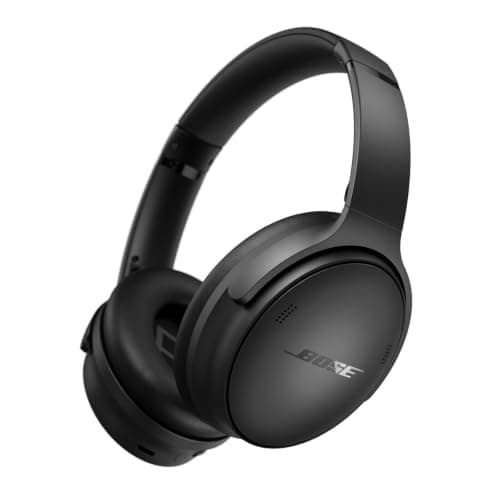
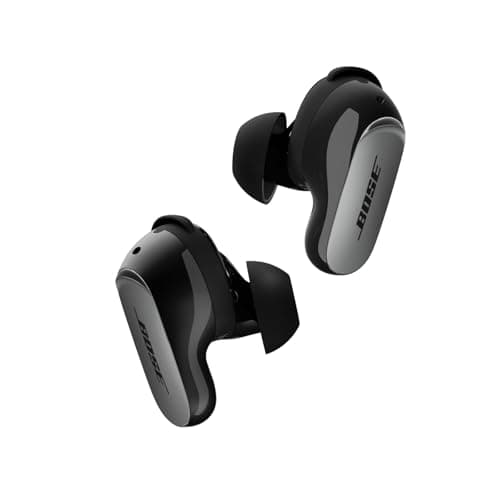
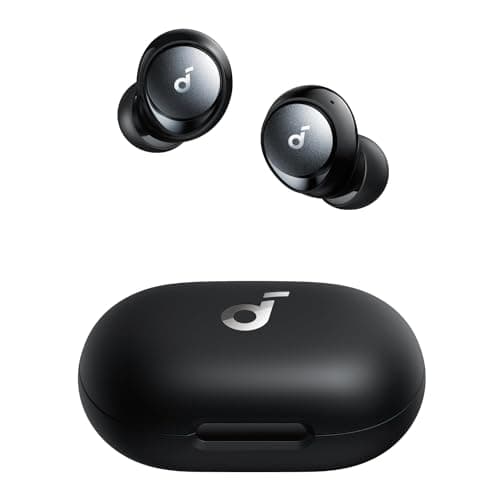
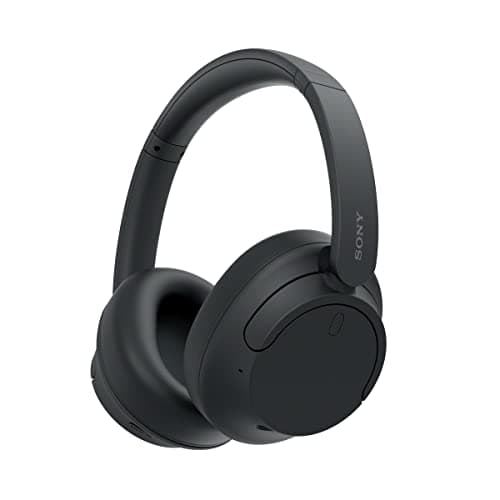
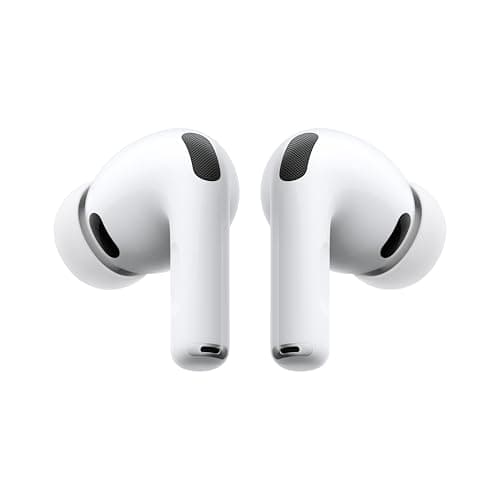
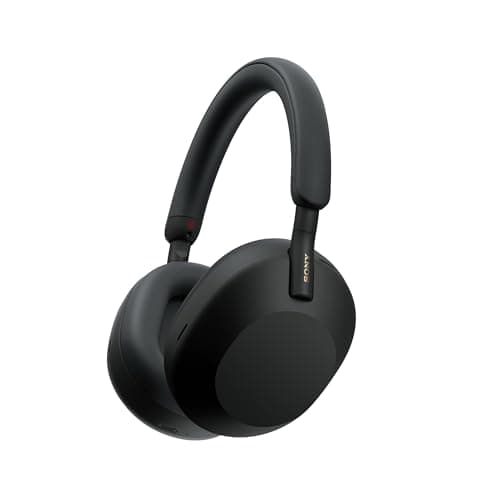
Answer one question first: over-ears or earbuds? Over-ears cancel more, last longer per charge and are kinder over an eight-hour flight. Earbuds cancel nearly as well now and take up a fraction of the space. Everything else — brand, price tier, features — follows from that single decision, and getting it right matters more than which flagship you pick.
What noise canceling actually does on a plane
Active noise cancellation works by listening to incoming sound and producing an opposing waveform. It is dramatically effective against low-frequency, continuous noise — which is exactly what a jet engine produces. It's much less effective against sudden, high-frequency sound: a crying baby, a cabin announcement, the person behind you laughing.
This matters for gift-buying because it sets expectations correctly. A good pair will turn engine drone into something like distant weather. It will not create silence, and anyone promising that is selling something. What it reliably delivers is a much lower noise floor, which means music and dialogue play at a lower volume, which is why people step off long flights less exhausted.
The three tiers, and what separates them
- Flagship ($250–$400). The best cancellation available, the best microphones for calls, the best materials and comfort. For a monthly long-haul flyer this is a legitimate purchase — the difference is felt on every trip and the build survives years.
- Mid ($80–$150). The interesting tier. You get genuinely effective cancellation, multipoint pairing and long battery life. What you give up is the last stretch of silence, call-quality polish and premium materials. For most travelers this is the correct purchase and the flagship is a luxury.
- Value ($50–$80). Cancellation that would have been flagship-grade a few years ago, in a package that's fine rather than lovely. The right pick for a teenager, a first pair, or anyone who loses things.
One note on the top tier. Sony's current flagship is the WH-1000XM6 (May 2025, $449.99 list), not the XM5 we rank first. That's deliberate: the XM5 is still sold new, usually sits well over $100 below it, and the gap on a plane is a little more cancellation and a folding hinge. On gift-buyer math the older pair is the better purchase; our XM5 review spells out the trade and who should pay for the XM6 instead.
Over-ears versus earbuds, honestly
Over-ears win on: outright cancellation, battery life, comfort across many hours, call microphones, and the fact that they physically block sound before the electronics even start. They lose on: packed size, which is not a small thing when a personal item is already full, and heat, which matters on a warm cabin.
Earbuds win on: disappearing into a pocket, sleeping against a window without a headband in the way, and never needing to be taken off to hear a flight attendant. They lose on: battery life per charge, call quality in wind, and long-session comfort for people whose ears object to tips.
Our practical read: if the recipient regularly flies over five hours, buy over-ears. If they travel light, take short flights, or already struggle for bag space, buy earbuds. If they do both, earbuds are the safer default because a pair that's left at home cancels nothing. For the packing-space angle, our travel backpack roundup covers what actually fits in a personal item.
The ecosystem question
For earbuds specifically, the phone matters. Apple's own earbuds pair instantly across a user's Apple devices and hand off between them, which is a genuine daily convenience an Android user simply doesn't get. In the other direction, buying Apple earbuds for an Android user means paying for features that won't activate.
Third-party earbuds and all the over-ears are ecosystem-neutral — they work equally well on either platform, and multipoint pairing (connected to a laptop and a phone at once) is often better implemented than Apple's equivalent for anyone working across mixed devices. If you don't know their phone, buy ecosystem-neutral and you can't be wrong.
Practical things people forget
The plane's headphone jack. Many aircraft still use a wired socket for the seat-back entertainment system. Wireless headphones need either a Bluetooth transmitter accessory or a wired cable to use it, and increasingly airlines are adding Bluetooth pairing to newer aircraft. If they watch seat-back films rather than downloads, check before assuming.
Battery reality. Over-ears typically run for a long- haul and back; earbuds usually need their case mid-trip. Either is fine if the case or the cable is packed — and a small power bank covers both.
Cancellation is not sound quality. They're separate things and a headphone can be excellent at one and average at the other. For travel, cancellation and comfort matter more than the last few percent of audio fidelity, which is why our ranking weights them that way.
Timing. Headphones are the travel-gear category with the best-documented Black Friday record — the Sony and Bose picks here both hit reported record lows in late November 2025. If the gift isn't needed before Thanksgiving, our Black Friday travel gear hub makes the buy-now-or-wait call. And if you're buying for someone who hates flying, the gifts for nervous flyers list explains why over-ears are the right call for them.
How we ranked these
We compile published specifications and manufacturer documentation, weight the criteria for travel use specifically — cancellation, packed size, comfort over hours, battery, and value — and score against our published rubric. We don't run an anechoic chamber and we don't claim measurements we didn't take. Where a claim comes from a manufacturer, we name them in Sources. The ranking deliberately places a value pick above two premium ones, because on a gift-buyer's maths that's where the money goes furthest.
How to choose noise-canceling headphones for travel
Six questions, in the order that actually narrows the field.
1. How long are their flights?
Under three hours, earbuds are plenty. Over six, over-ears start winning clearly on comfort and battery. Over ten, the flagship tier stops being indulgent and starts being the difference between arriving functional and arriving wrecked.
2. How full is their bag?
This is the constraint that decides more purchases than sound quality does. An over-ear case is roughly the size of a small melon; an earbud case fits in a coin pocket. If they travel with a personal item only, that gap is decisive.
3. Do they take calls?
If yes, prioritize microphone quality and multipoint pairing over raw cancellation. Being connected to a laptop and a phone simultaneously is a bigger practical win than a few extra decibels of silence.
4. What phone do they use?
Only relevant for earbuds, but decisive there. Apple earbuds on an Apple phone deliver pairing conveniences that don't exist on Android. Everything else is ecosystem-neutral, which makes it the safe pick when you don't know.
5. Do they wear glasses?
Over-ear clamping force pressing arms into the side of the head is a real, under-discussed problem on long flights. Lighter clamping designs and earbuds both avoid it. Worth knowing before spending flagship money.
6. What's the budget honestly for?
If it's a gift for a frequent flyer, the flagship is defensible. If it's a first pair, a teenager's pair, or a spare, buying at the value tier and spending the difference on something else is the better call. Our travel gifts under $100 list is built around exactly that trade.