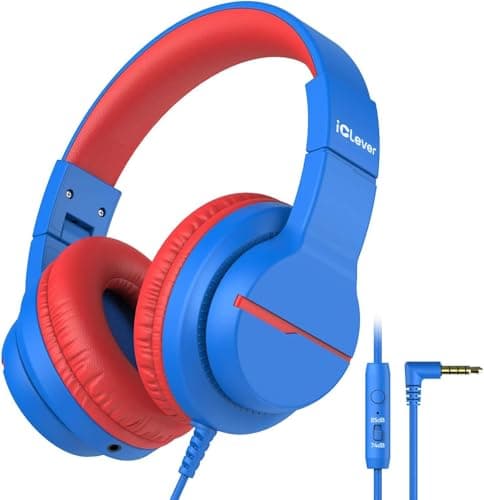
Start with volume-limited headphones.The iClever HS19 is our top pick and it is for the parent flying or driving with a child roughly aged three to ten — because it is the one accessory that simultaneously fixes the child’s problem (a tablet is unwatchable over engine noise) and the cabin’s problem (a tablet at full volume with no headphones). The budget pick is Spot It! Classic: the cheapest thing here that reliably occupies a child, needs no reading, and fits in a pocket.
Boredom is the symptom, not the problem
Almost every “travel with kids” list is a list of entertainment. That is treating the symptom. Watch what actually goes wrong on a long journey with a small child and you will see the same three mechanical failures, in the same order, every time.
- There is no flat surface.A car seat and an economy tray table at a child’s height are both unusable: one has no table at all, the other is at chest height and tips when the seat in front reclines. So every toy, snack, crayon and card ends up on the floor within ten minutes — and the thing that follows is not boredom, it is frustration.
- There is no volume control that works. Cabin noise and road noise mean a child turns a device up until it is audible over the engine, which is both loud enough to annoy everyone and loud enough to matter for young ears. Adult earbuds do not fit a small head, so the default is the speaker.
- There is nothing familiar to sleep against. Children sleep on journeys far more readily than adults do, but they sleep against something they recognize. A folded coat is not it.
Fix those three and the entertainment question gets much smaller, because a child with a surface, headphones and something to lean on will entertain themselves with almost anything. That is the order this page is ranked in.
How we chose
Five criteria, weighted for a parent or a grandparent buying before a specific trip.
- Does it work in a seat, in motion? Not at a kitchen table. Anything with loose pieces that scatter, or that needs two hands and a surface the vehicle does not have, is out.
- Does it need reading? A huge filter, and one most lists ignore. Pre-readers, mixed-age siblings and mixed-language families all need the same thing: a game whose rules are visual.
- Is it safe for a child without supervision? For audio that means a published output limit. For everything else it means no small parts for the youngest band and nothing that needs an adult to operate.
- Does it survive the trip home?Children’s travel gear is used hard and stored badly. Washable fabric, a magnetic box rather than a cardboard one, a tin rather than a sleeve.
- Would a parent pack it twice? The honest test. Most flight-activity purchases are used once. We ranked things that go back in the bag.
We compile published listing specifications, age ratings and player counts, score every pick against our published rubricand pull live prices at request time. We have not tested these on a panel of children and we do not publish ratings we did not earn — the age bands quoted are the manufacturers’ own.
Which accessory for which child
Any child with a tablet, on any journey. The iClever HS19 headphones. Volume-limited output, an over-ear fit built for a smaller head, a 3.5 mm wire that cannot run out of battery mid-flight, and a share port so two children watch one screen. That last feature is the one that quietly ends the most arguments. Note the wire deliberately: an in-flight entertainment system and a wired headphone are a pairing that still works when the Bluetooth does not.
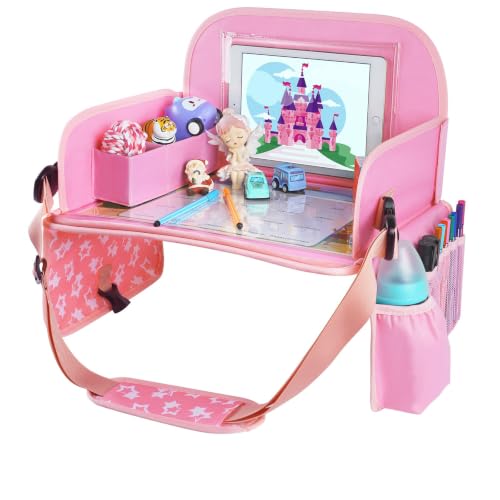
A toddler in a car seat. The MENZOKE Kids Travel Tray. This is the flat-surface fix, and it is the pick we would buy first for a road trip rather than a flight. Raised edges stop the contents sliding off on a bend, mesh side pockets give small objects a home, and it folds flat when the trip is over. It is the back-seat companion to our road trip accessories roundup.
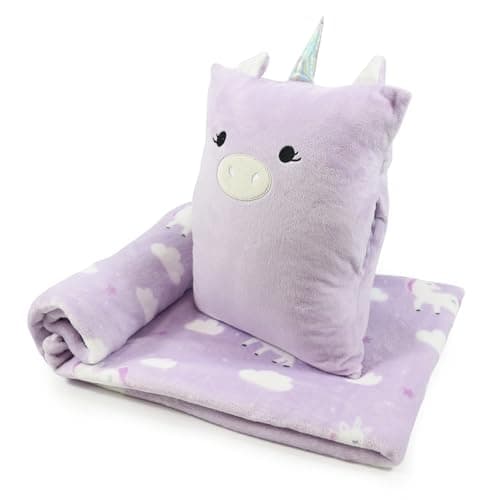
A child aged roughly three to ten on a night flight. The VigorSpring 3-in-1 pillow and blanket set. The reason a set beats a separate pillow and blanket is that it is one object to carry and one object to lose, and the pillow is the familiar thing a child actually falls asleep against. Our travel blanket roundup covers the adult equivalents.
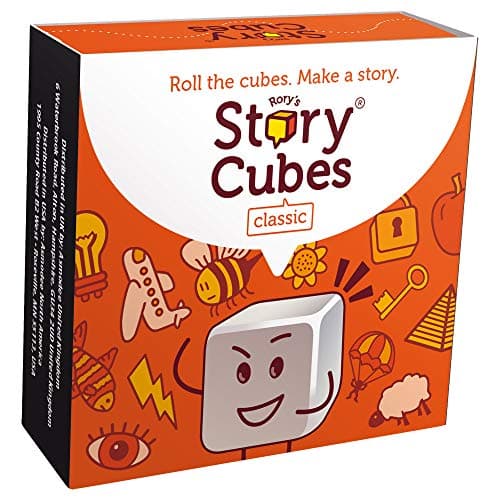
A car journey, or a child who gets motion sick reading. Rory’s Story Cubes. Nine dice, images rather than words, and the game is talking — which is the only kind of activity that works for a child who cannot look down at a page in a moving car without feeling ill. One player or many, and the magnetic box survives a glovebox.
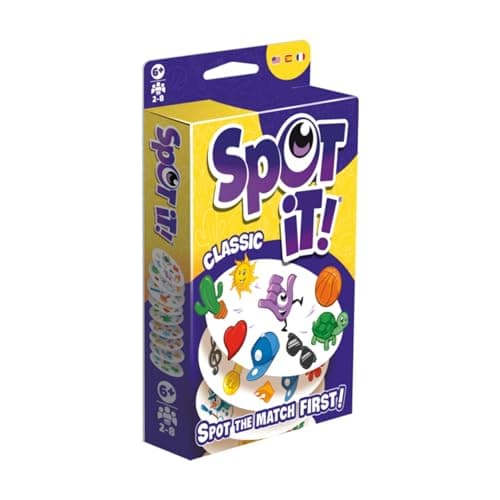
Mixed ages, or the ninety seconds before boarding. Spot It! Classic — our budget pick. A round lasts seconds, no reading is needed, it plays from two to eight, and the whole thing is a pocket tin. It is the one item here that works equally for a four-year-old and a grandparent, which makes it the most reliable thing in a family bag. More in the same vein in our travel games roundup.
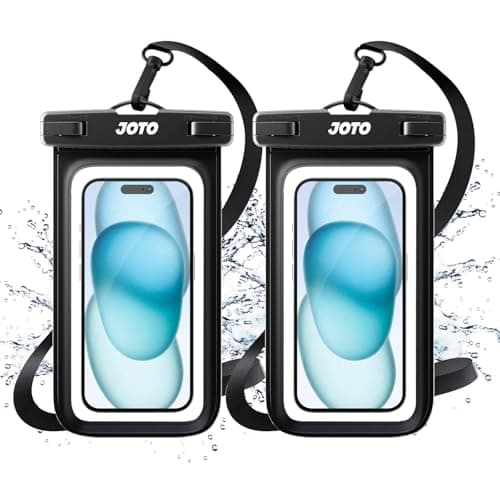
A pool, a beach or a boat day.The JOTO waterproof phone pouch. Not a child’s product exactly, and that is the point: hand a phone to a child near water and the pouch is the cheapest insurance anyone sells. It is also how a parent keeps taking photos with wet hands.
What we left off, and why
Kids’ ride-on suitcases. Charming, and then they are an obstacle in a boarding queue and a bag the parent ends up carrying along with their own. If the child genuinely needs their own luggage, a small packable daypack they can actually wear is the better object.
Airplane seat extenders and foot hammocks. Several airlines publish restrictions on devices attached to seats, and policy varies by carrier — so a product whose legality depends on which aircraft you board is not something we will rank as a gift.
Sticker and activity books. Genuinely good, genuinely not worth a recommendation: any supermarket has them, they cost almost nothing, and buying them is not a decision anybody needs help with.
Packing it so it survives the journey
The practical half of this, which no product solves. A child’s travel kit belongs in a bag the child can reach without an adult standing up — which on a plane means the seat pocket and under-seat bag, not the overhead bin. Pack it in layers: the thing for takeoff, the thing for the middle, and the thing held back for the hour when everything else has failed. Our long-flight guide makes the same argument for adults, and the right personal item bag is what makes it possible.
One honest word on quantity. The most common mistake is bringing too much, which produces a seat area that is itself the mess. Three things and a surface beats nine things and no surface, every time. If you are buying as a gift rather than packing as a parent, travel gifts for kids is the list built for unwrapping, and gifts for families is the one that covers the whole group.
Buy the surface before the entertainment
A tray or a usable table is upstream of everything else. Toys without a surface become toys on the floor, and that is the actual sequence that ends in a difficult hour.
Insist on a published volume limit, and a wire
Volume-limited output is the specification to look for on children’s headphones, and a wired 3.5 mm pair cannot go flat halfway through a flight or refuse to pair with an aircraft entertainment system. A share port is worth more than it sounds for siblings.
Prefer games that need no reading
It widens the age range, it includes a pre-reader, and it works for a child who feels sick looking down at a page in a moving car. Picture games also play in the ninety seconds before boarding, which is when they are needed most.
Everything the child uses should be washable
Travel blankets and pillows get used hard, slept on, spilled on and stuffed into a bag damp. Machine-washable fabric is the difference between gear that lasts a year and gear that lasts one trip.
Pack in layers, not all at once
Three things within reach beats nine things in the overhead bin. Hold one item back for the last hour, when everything else has already been used.
Check the age band on the box, not the photo
Manufacturers publish age ratings and player counts, and they are reliable. A game rated for six and up does not work for a three-year-old however appealing it looks, and a disappointed child at 30,000 feet is a worse outcome than no game at all.