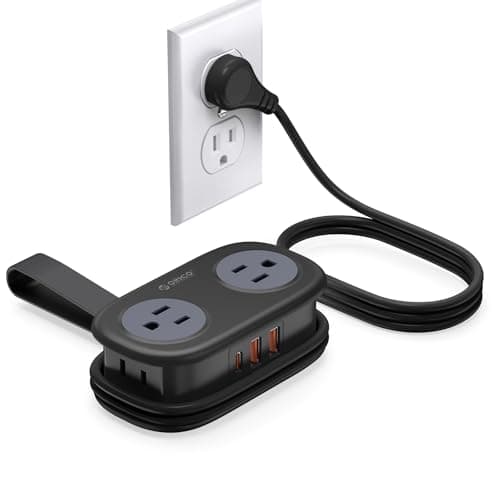
The ORICO Travel Power Strip is the pick for most cruise cabins, and it is for the two people trying to charge four devices from the one or two sockets a standard stateroom gives you — four AC outlets and three USB ports, with no joule-rated surge protection published on the listing, which is the detail that matters on a ship. The budget pick is the set of magnetic cruise hooks, the cheapest thing here and the one that makes the most difference per dollar, because the cabin walls are steel and nobody tells you that. Every price below is read live from our price layer and stamped with an as-of date in the table.
Why a cruise cabin needs its own list
Pack for a hotel and the room forgives you. It has outlets along one wall, a wardrobe with a shelf, a bathroom with a rail, and a front desk that will send up anything you forgot. A cruise stateroom does none of that. It is roughly the floor area of a parking space, it is at sea, and the gift shop on deck five is the entire retail economy available to you for a week.
That alone would make a packing list useful. What makes it a different list is the second constraint: cruise lines publish prohibited-items policies, and two of the most popular answers to the small-cabin problem are on them. Carnival’s published list permits power strips, multi-outlet adapters and “extension cords without surge protection,” and separately prohibits clothing irons and garment steamers outright. So the two things a seasoned land traveler would reach for — a joule-rated surge strip and a handheld steamer for the formal-night shirt — are the two things most likely to be pulled out of the bag at the terminal.
That is the spine of this page. Everything below is picked for a small steel room with few sockets, salt water on three sides of the day and a documented list of what cannot come aboard.
Power first, because it is the one that gets confiscated
Count the outlets in a standard inside or balcony stateroom and you will usually find one or two, often behind the desk, sometimes a single North American socket and a single European one. Now count the things two adults want to charge overnight: two phones, a watch, a pair of earbuds, a camera, a power bank. The arithmetic does not work, and this is the single most common complaint about cruise cabins that has a product fix.
The fix has to be the right kind of strip. The ORICO publishes four AC outlets, three USB ports and PD20W on its USB-C port — seven outputs from one socket — and its listing publishes no joule rating, no surge rating and no surge language at all. That is what you want here. By contrast the DEPOW flat-plug strip we rank on our own travel power strip roundup publishes 1050 joules of surge protection — which is exactly why it is a good buy for a rental apartment and exactly why it is the wrong object to put in a cruise bag. We are not going to pretend a feature disappears because it is inconvenient.
Two honest caveats. First, ORICO’s listing publishes the outlet count and the PD20W figure and very little else — no weight, no dimensions — so you are buying a shape you cannot measure in advance. Second, policies differ by line and change; the specific list we read is Carnival’s, linked in Sources. Check your own line’s published list before you pack any power accessory. That is a thirty-second job and it is the difference between a charged phone and a confiscated one.
The steel walls, and the cheapest win on this page
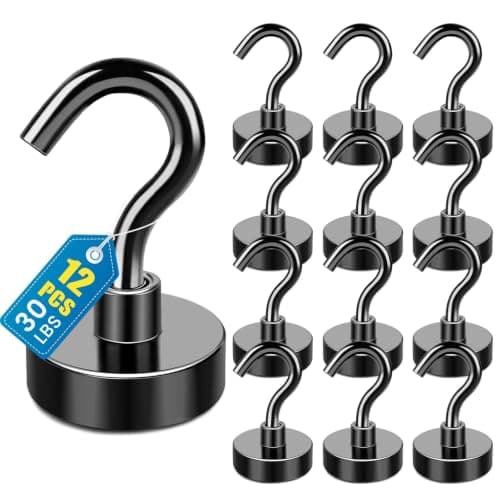
Cruise cabin walls and ceilings are steel. Not steel-framed — steel surface, which means magnets hold. Almost nobody knows this on their first cruise, and it is the reason the magnetic hooks are our budget pick at a few dollars: they create hanging space out of nothing, on every vertical surface in the room, without a single command strip or over-door hanger.
What goes on them: lanyards and key cards, hats, the daily schedule, wet swimsuits, tote bags, the dry bag. In a room where every horizontal surface is already spoken for, moving six objects onto the wall is the difference between a cabin and a clothes pile. The honest limit is in the name — they are useless in a hotel, so this is a cruise-specific purchase rather than a travel-kit staple.
The ship’s medical centre is not a pharmacy
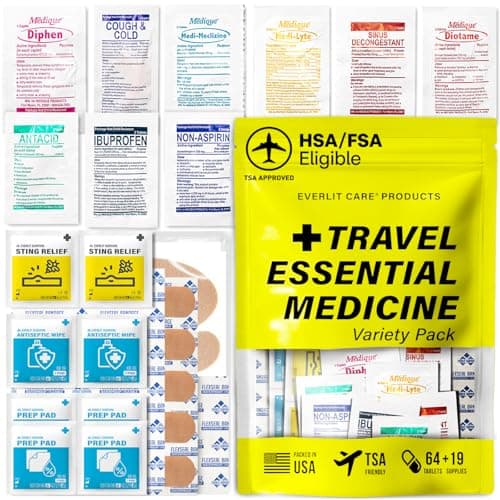
The EVERLIT CARE medicine kit is on this page rather than our first aid roundup’s top spot for one reason: on a ship, the shore pharmacy is not an option and the onboard medical centre is a billable clinic, not a chemist. Sixty-four individually wrapped tablets in a mini case covers the headache, the stomach and the allergy at 2 a.m. in international waters — which is precisely the moment the problem shows up.
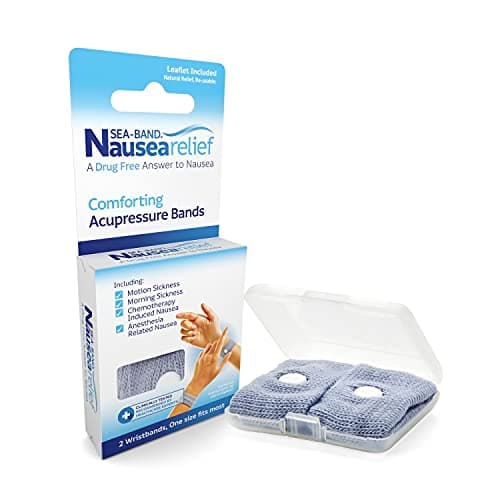
Buy it on top of, not instead of, whatever prescription medication is already packed, and keep it in the day bag rather than the suitcase. If motion is the specific worry, the Sea-Band acupressure bands at the bottom of our list are the drug-free option that does not make anyone drowsy on a sea day. They work better for some people than others and we say so; they are also small enough that trying them costs almost nothing.
Water, which is most of a cruise
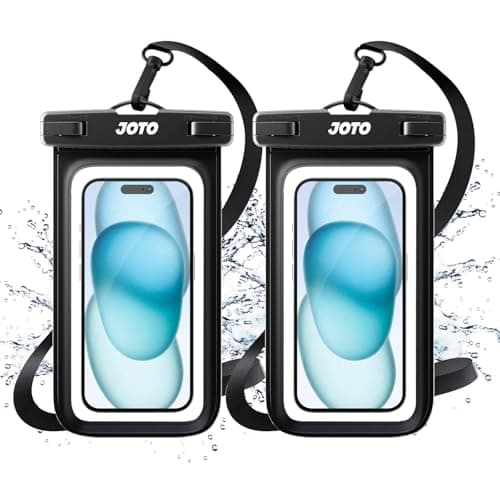
Two picks here and they divide cleanly. The JOTO waterproof phone pouch is the one to buy if there is any snorkeling, kayaking, tender boat or pool deck in the itinerary: IPX8 sealing and a touch-through window, for less than a cocktail. It is bulkier than a bare phone and the touchscreen loses a little sensitivity through the plastic — a reasonable trade against a phone in salt water.
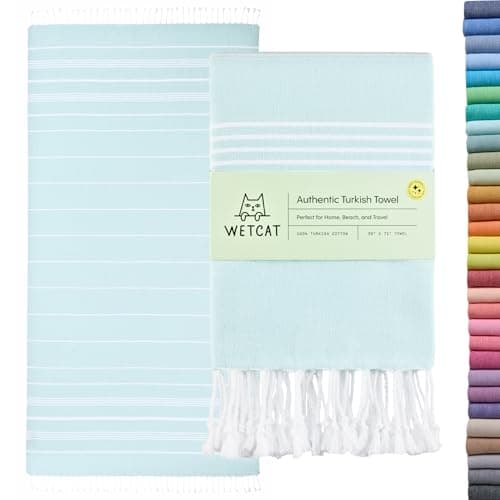
The WETCAT Turkish towel is the one for port days. Ship towels are issued, counted and sometimes charged for if they do not come back, and a flat-woven Turkish cotton towel at 38 by 71 inches packs thinner than a terry bath towel while still feeling like cotton. It doubles as a wrap for an over-air-conditioned dining room and as a picnic blanket on a beach day. If raw packed size is the priority, a microfiber towel is a third the bulk — we make that case on our beach accessories roundup.
What we deliberately did not rank
- A garment steamer.Carnival’s published list prohibits clothing irons and garment steamers. There are laundry and pressing services aboard every major line; use those for formal night. Our business travel accessories page is where the steamer belongs.
- A surge-protected power strip. Covered above. The feature is the problem.
- An over-door hanging organizer. Cabin doors are steel and often have no clearance for a hanger; the magnetic hooks do the same job without the gamble.
Everything else that normally travels still applies — a power bank for long port days, packing cubes for a wardrobe with two shelves, and a luggage tracker if you are flying to the port. Our guide to packing for a cruise is the method; this page is the shopping list.
As a gift
A cruise kit is one of the easiest travel gifts to get right, because the recipient has a date in the diary and a specific room waiting for them. Bundle the hooks, the pouch and the bands in a small dry bag and it reads as a knowing gift from someone who has cruised, which is exactly the impression the hooks create on their own. More ideas at this money in gifts for cruise lovers and travel gifts under $50.
Read your line’s prohibited-items list first
Every major line publishes one and they differ in the details. Surge protection, irons, steamers, extension cord length and candle-type items are the usual flashpoints. It is a two-minute read that prevents the only genuinely annoying failure mode of a cruise packing list.
Count the outlets, then double the devices
A stateroom typically offers one or two sockets. Two adults arrive with six things that charge. A four-outlet, no-surge strip is the single highest-impact object in the bag.
Magnets, not adhesives
The walls are steel. Magnetic hooks add hanging space instantly and leave no residue, which adhesives in a humid cabin cannot promise.
Bring the pharmacy with you
The onboard medical centre bills like a clinic and the shore pharmacy is closed when you need it. A mini tablet kit is weightless insurance.
One dry bag per water day
Tender boats, kayaks and pool decks all end the same way for an unprotected phone. A sealed pouch costs a fraction of the excess on a phone claim.
Pack a towel you are allowed to take ashore
Ship towels are issued and counted. A flat-woven cotton towel packs thin enough that bringing your own is not a real cost.