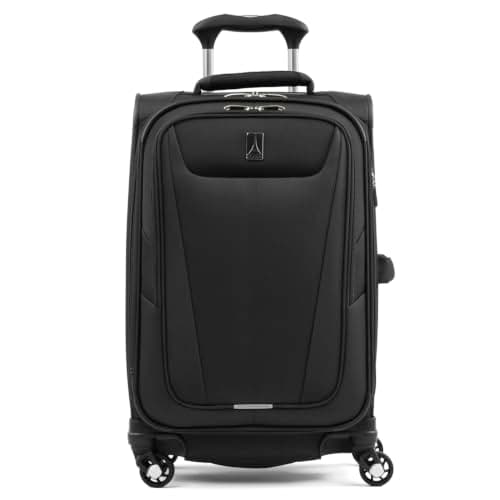
The Maxlite's argument is weight, and it's better than it sounds. Every pound the empty suitcase weighs is a pound the traveler cannot pack. On airlines that weigh carry-ons — and more do every year — a light bag isn't a comfort feature, it's extra allowance. That is the whole case for this bag, and it's why it keeps outselling flashier options.
The number that actually matters
Suitcase marketing is built around materials, wheels and warranties. The specification that changes a trip most reliably is the one printed smallest: empty weight. A heavy hardside carry-on can weigh several pounds more than a light softside one before anything goes in it, and on a carrier with a strict cabin weight limit that difference is a pair of shoes and a jumper.
The Maxlite line exists to win that number, and it does. It's why this bag has a reputation among people who fly constantly, and why it shows up in hands that could easily afford something with a better-known name on it.
The corollary, stated plainly: weight is bought with material. This is a fabric bag with a fabric shell, and it does not protect its contents the way a rigid case does.
Softside versus hardside, honestly
Softside wins on weight, external pockets (genuinely useful for a laptop, documents or a bottle you need without opening the bag), and squeezability — a soft bag compresses into an overfull overhead bin where a rigid shell simply will not go.
Hardside wins on crush protection, water resistance and wiping clean. If the recipient travels with camera gear, bottles or anything breakable, the rigid shell is the correct choice and the weight penalty is worth paying.
There isn't a universal right answer, which is why our carry-on luggage roundup ranks both and why we wrote hard shell vs soft side luggage as a standalone comparison. Match it to what they carry.
Wheels, handles and where suitcases actually die
Suitcases almost never fail in the middle of the shell. They fail at the wheels and the telescoping handle — the only moving parts, and the ones absorbing every curb, escalator edge and baggage-belt drop.
That's the practical reason to buy from a luggage company rather than the cheapest spinner available, and why warranty terms matter more than the material. Cover that includes wheels and handle is cover on the parts that break. Read what the guarantee actually covers rather than the word "lifetime" — for many brands that means manufacturing defects only, which is not what happens to a bag at an airport. We cover which brands go further in our luxury travel bags roundup.
Two-wheel or four-wheel?
Four-wheel spinners glide upright beside you and are effortless on smooth terminal floors. Two-wheel bags tilt and pull, handle rough ground far better, and don't roll away on a sloped jet bridge. Spinners also lose a little internal capacity to the wheel housings.
For airport-to-hotel travel, spinners. For cobbles, curbs and train platforms, two wheels. Most people want the spinner and most people are right — but if their travel involves European old towns, the two-wheel version is genuinely the better bag.
Who should buy something else
The weekly business traveler. At that frequency a bag with a guarantee covering airline damage changes the ten-year cost, and it's worth spending several times this.
Anyone carrying fragile gear. Buy hardside. The weight penalty is the price of not having a broken lens.
The traveler facing stairs and bad ground. Wheels are the wrong tool; our travel backpack roundup is the better page.
Who this is the right gift for
The person still traveling with a heavy hand-me-down suitcase, the occasional flyer who wants one good bag rather than a status object, and anyone flying carriers that weigh cabin baggage. For all three this is the sensible, unglamorous, correct answer — which is exactly what most people need and rarely get as a gift.
Before you buy one as a gift
1. Check they don't already love their bag
Frequent travelers have strong opinions about luggage and a replacement they didn't choose often goes unused. If they already have a bag they like, buy what goes with it instead.
2. Decide soft or hard by what they carry
Clothes and shoes: softside, take the weight saving. Cameras, bottles, anything breakable: hardside, accept the extra pounds.
3. Two wheels or four, by where they walk
Smooth terminals favor spinners. Cobbles, curbs and platforms favor two larger wheels that tilt and pull.
4. Read the warranty, not the word
"Lifetime" usually means manufacturing defects. What matters is whether wheels, handles and airline damage are covered, since that's what actually fails.
5. Check whether the airline weighs carry-ons
If they fly carriers with a cabin weight limit, empty weight is the most valuable specification on the page and this bag's main advantage.