A long flight is not one problem, it's five. Bad sleep, constant noise, swollen legs, dehydration and a dead phone on arrival. Almost every accessory sold for long-haul travel is aimed at one of those five, and the ones that aren't are aimed at nothing. Work down the list and you'll spend better than any "flight essentials" bundle can.
The five problems, and what actually solves each
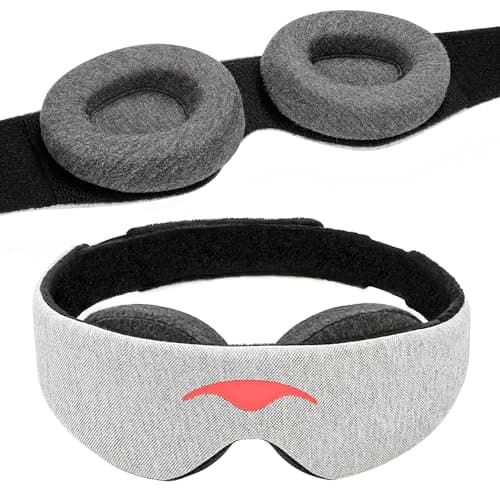
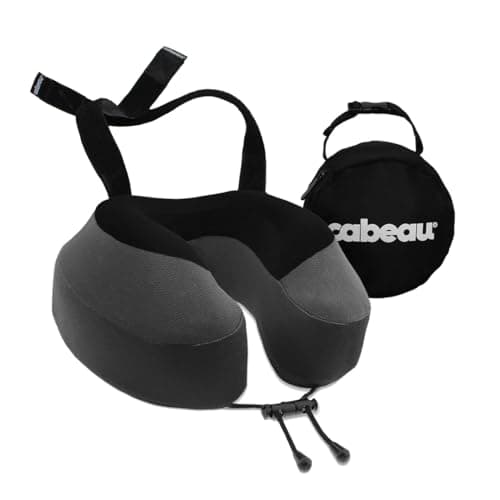
1. Sleep, which is really three problems. Support, darkness and quiet have to be solved together — fixing one gets you a disappointing fraction of the benefit. A structured neck pillow stops the head-nod, a contoured mask with eye cups blocks light without pressing on the eyes over eight hours, and noise canceling flattens the engine drone that holds people at a shallow sleep depth. This trio is the highest-value spend on the whole page.
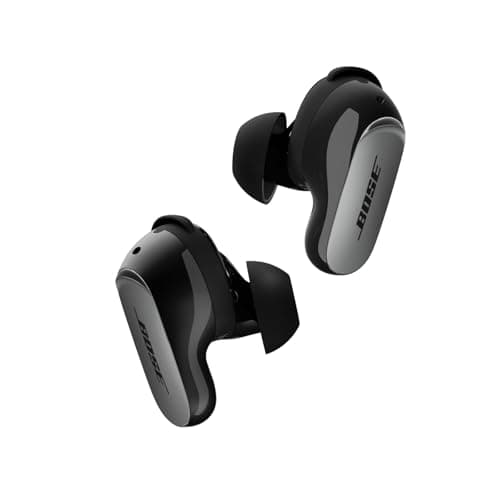
2. Noise, even when awake. Continuous loud noise is tiring in itself, independent of whether you're listening to anything. That's why people describe good noise canceling as arriving able to think rather than as an audio upgrade. For a flight specifically, earbuds beat over-ears if the head is going to rest against a window — a headband in that position is genuinely uncomfortable.
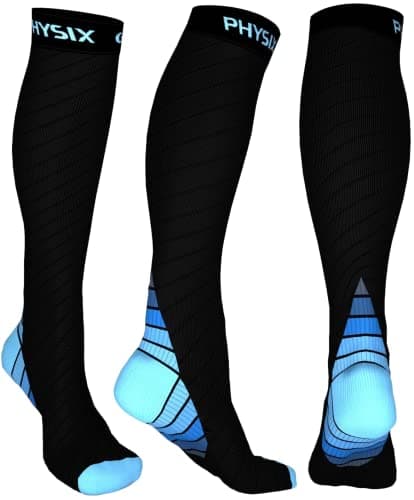
3. Circulation. Hours seated with limited movement is what causes the swollen ankles and heavy legs people notice on landing. Graduated compression socks are the unglamorous, widely used answer, and they're one of the few things on this list that a traveler almost never buys for themselves. Get the sizing right — a sock that's too tight is worse than none.
4. Dehydration. Cabin air is very dry, and the usual response is waiting for a cart that comes every few hours. A collapsible bottle goes through security empty, refills at a fountain airside, and rolls flat once it's done. It costs less than two airport bottles of water and removes the dependency entirely.
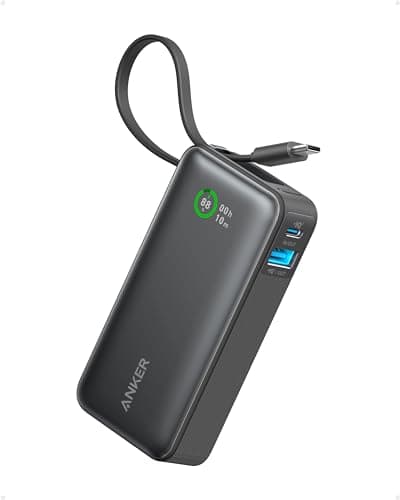
5. A dead phone on arrival. Not every seat has working power, and the phone is also the boarding pass, the map and the translation app at the other end. A power bank with the connector built into the body removes the most common failure — a charged bank and a cable in the other bag.
The two that aren't about the body
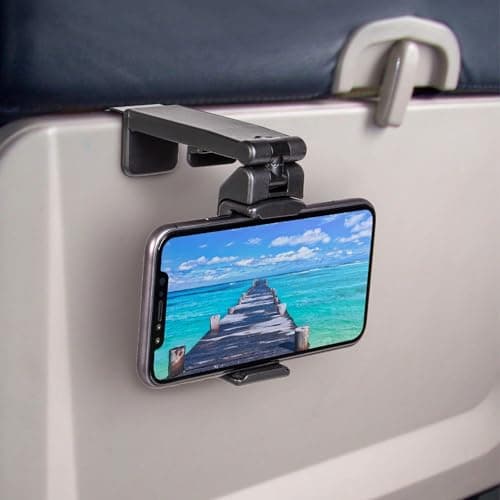
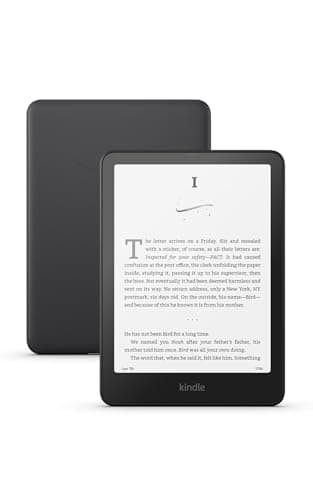
A tray-table phone mount sounds like a novelty and isn't: it puts a downloaded film at eye level instead of face-down in a lap for four hours, which is a real neck difference. And an e-reader is the quiet winner for anyone who reads — weeks of battery, readable in a bright window seat, and it doesn't drain the phone.
What we left out, deliberately
Inflatable footrests and leg hammocks. Genuinely divisive: some airlines discourage or prohibit them, they intrude on the space of the person in front, and they don't work at all in a bulkhead row. We're not comfortable recommending something whose acceptability depends on the cabin crew that day.
Compression sleeves sold as DVT prevention. Circulation during long flights is a medical topic, and anyone with a genuine risk factor should be taking advice from a doctor rather than a gift guide. We list compression socks as a comfort item, which is what we can honestly speak to.
"Flight essentials" kits. Almost always one decent item plus four fillers. Buying the decent item alone is cheaper and better.
Travel blankets — but only because they earn their own page. Cold cabins are a real problem and the economy blanket has mostly disappeared, so a blanket belongs in any honest long-haul kit. It isn't among the five picks here because the decision turns on a question none of these products raise: fleece, synthetic insulation or wool, and how small the thing packs. We ranked those separately in the best travel blankets.
Neck pillows sold on packability alone. An inflatable pillow packs to nothing and supports nothing. If someone genuinely wants minimum bulk, a wrap-style pillow with an internal support is the version that still works — see the best travel pillow for side sleepers.
How to spend, by budget
Under $50, buy the sleep mask, the compression socks, the collapsible bottle and the phone mount — that's four of the five problems addressed for very little. Around $100, add a proper structured neck pillow and a power bank. Above that, noise canceling is where the money goes, and it's the single accessory most likely to change how the flight feels. Our under $50 and under $100 lists sort the same picks by price band.
How we ranked these
The rubric weights how directly something addresses one of the five problems above, and how reliably it gets used, scored against our published rubric. We compile published specifications and pull live prices; we don't run a lab and don't claim in-flight testing we haven't done. Where a claim is medical rather than practical, we've said so and pointed at a doctor instead of pretending otherwise.
How to choose long-flight accessories
1. Do they actually sleep on planes?
If yes, buy the sleep trio — support, darkness, quiet — before anything else. If they never sleep, skip the pillow entirely and spend it on noise canceling and something to read.
2. Window or aisle?
Window sleepers lean on the wall, which rules out bulky over-ears and favors earbuds. Aisle sitters get up more and swell less, which shifts the emphasis away from compression.
3. How full is the personal item?
Everything here has to fit alongside a laptop and documents. Where two options solve the same problem, take the one that packs smaller.
4. Is there a connection?
A single long leg is a different problem from a long leg plus a five-hour layover. Connections push power and hydration up the list.
5. Buy the set, not the showpiece
Three cheap items addressing three of the five problems beat one expensive item addressing half of one. This is the category where a bundle genuinely outperforms a single gift.