Pack for the meeting, not for the trip. A two-to-four-day work trip is the easiest kind of packing there is — the itinerary is known, the weather is a building, and you will be indoors. The only genuinely hard problem is arriving with clothes that look unpacked, and it is worth more attention than the bag.
The wrinkle problem, and the cheapest real fix
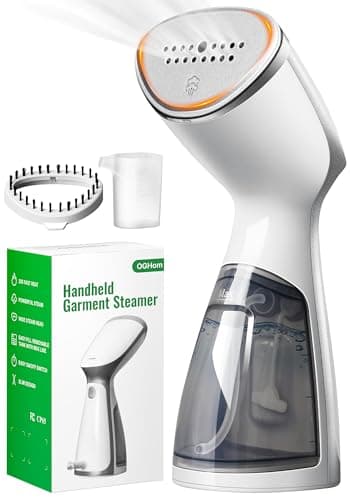
Hotel irons are unreliable and hotel ironing boards are worse. A handheld garment steamer is the item that most consistently justifies its space on a work trip: it relaxes creases in a shirt or jacket in a few minutes while it hangs, without the scorch risk of an unfamiliar iron on a synthetic blend. It is also the item most people leave at home and then wish they had at 7am.
The free version is worth knowing too: hang the shirt in the bathroom, run the shower hot with the door closed, and give it fifteen minutes. That works on light creasing and does nothing for a folded jacket. If you travel for work more than a few times a year, buy the steamer; if this is a one-off, use the shower.
Suit or no suit — the decision that sets the bag
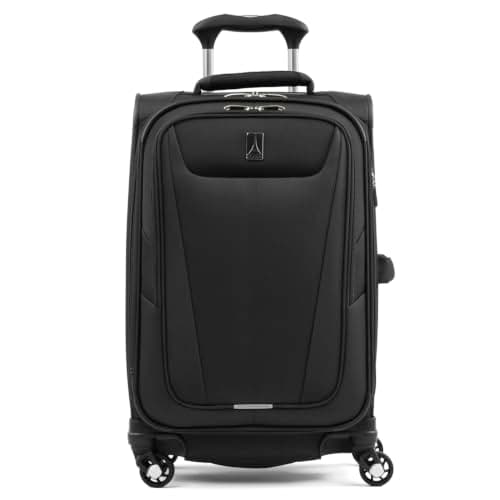
No suit. Everything fits in a standard carry-on with cubes, and the packing is unremarkable. A wheeled carry-on is the right bag: work trips are airport-to-hotel on smooth floors, which is precisely the case where wheels beat a backpack.
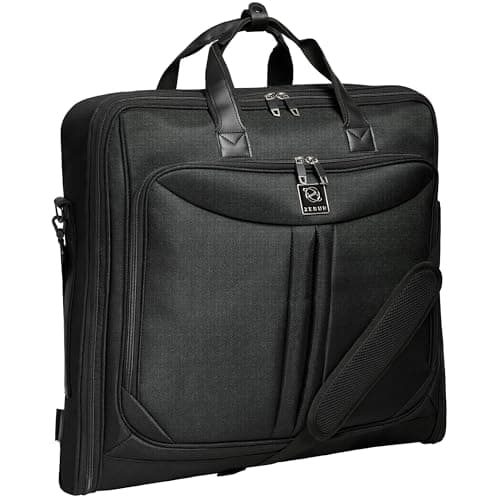
Suit. You have three options and they are not equal. A dedicated garment bag keeps a jacket on a hanger and creases it least, but it is a second bag to manage. Folding a jacket properly — shoulders inverted, laid across the top of the case — is nearly as good and costs nothing. Rolling a suit is not a real option; it creases along the seams you cannot steam out. If the suit matters more than convenience, take the garment bag; if it is a jacket rather than a full suit, fold it.
For a longer trip where the suit is the point, our business travelers gift list covers the same category from the buying-for-someone-else angle.
If there is tailoring on the trip, the fold is the whole game — how to pack a suit in a carry-on has it step by step.
The three-day kit, in order
Clothes. One outfit per working day plus one spare shirt, and nothing else. The spare shirt is the only genuine contingency worth carrying, because a spilled coffee before a meeting is the failure that actually happens. Wear the heaviest shoes and jacket on the plane.
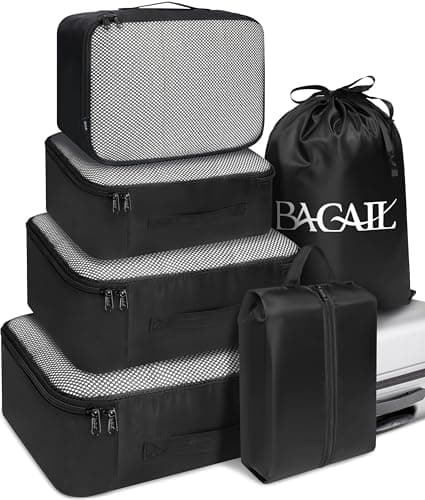
Cubes. One for shirts, one for everything else. On a work trip cubes earn their keep less through compression and more because they let you unpack into a hotel drawer in ten seconds and repack in the same time at 6am. Both matter more than the volume saved. The full comparison is in our packing cubes roundup.
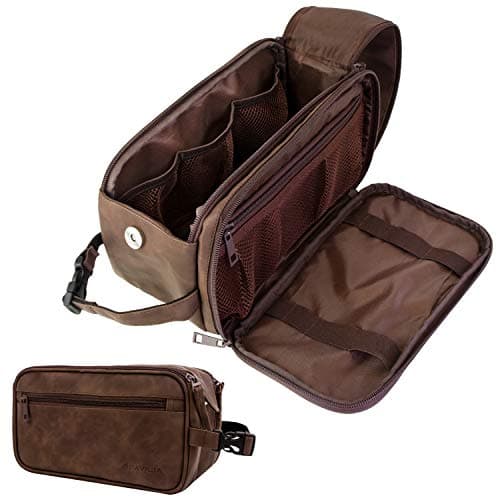
A dopp kit that hangs. Hotel bathroom counters are small and usually wet. A hanging toiletry bag turns the back of a door into storage, which is the difference between finding things and excavating them.
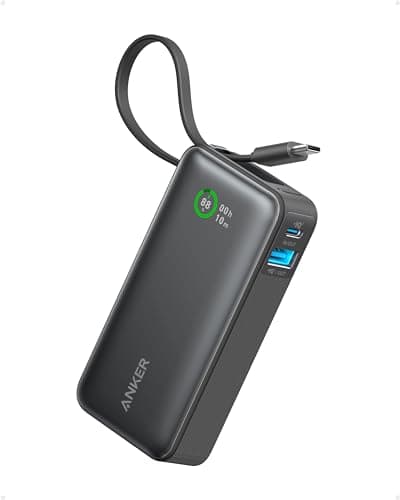
Power. One pocket power bank and one charger per device type — not one cable per device. Conference rooms and airports both fail you at the same moment, which is mid-afternoon on day one. A large power station is the wrong tool here; you need something that lives in a jacket pocket.
Documents and a pen. Carry a real pen. Landing cards, expense receipts and anything requiring a signature all arrive at moments when borrowing one is awkward, and a ballpoint is immune to the pressure changes that make some pens misbehave in the air — the reasoning is in do pens leak on planes.
What people forget, in rough order of regret
A spare shirt. A steamer or the shower trick. A charger for the laptop specifically, as opposed to a phone cable. Anything to write on that is not a phone. A pair of over-ear headphones for the return leg, when the work is done and the flight is the only thing left — our noise-canceling roundup covers the over-ear versus earbud decision.
And the one that is not an object: check whether the hotel has laundry or pressing before packing a second jacket. On a four-day trip, one call removes an entire bag's worth of contingency.
Carry-on only, for a work trip?
Almost always yes. A two-to-four-day work trip fits a carry-on with room to spare, and checking a bag on a same-day return adds an hour of risk to a schedule where being late is expensive. The exception is a full suit plus multiple days of formal wear, where a garment bag plus a carry-on is the honest configuration. Whether 22 x 14 x 9 inches is really the limit you will be measured against is covered in carry-on size rules.
How the picks below were chosen
Scored against our published rubric from published specifications, manufacturer documentation and aggregated owner feedback. We do not run a lab and we do not claim measurements we have not taken. On this page usefulness is weighted toward arriving presentable and repacking quickly, which is why a cheap steamer ranks above more expensive luggage. Prices are live; where we have no verified price, we say so rather than printing a stale number.