Skip to content
Jet & Jot

03 — Buying Guides

How to start a travel journal

Most travel journals die on day four. Not from lack of time — from the quiet belief that an entry has to be good. Here is the method that survives a real trip.

By Stephen V.Updated How we choose
#ad

We earn a commission when you buy through our Amazon links, at no extra cost to you. It never changes the pick, and we say plainly when the cheaper option is the better buy. How this works.

Start with a five-line entry, written at the same moment every day, and give yourself permission for most entries to be boring. That is the whole method — and the reason it works is that it removes the thing that actually kills travel journals, which is not lack of time but the feeling that today's entry has to be worth reading. Almost every abandoned journal has the same shape: three beautiful pages, one short page, then nothing. The fix is not discipline. It is lowering the bar until the habit is cheaper than the guilt.

Step 1 — Pick the moment, not the length

Decide when you write before you decide what. The best moments are the ones that already exist in a travel day and are already idle: the first coffee, the half-hour between arriving back at the room and going out for dinner, the waiting at a gate, the first twenty minutes of a train journey. Pick one and attach the journal to it.

Do not pick bedtime. Bedtime on a travel day is the single worst slot — you are tired, often slightly drunk, and the entry competes with sleep. Journals written at bedtime are the ones that die first.

Step 2 — The five-line entry

One line each, in this order, and nothing more is required of you:

Where. A place name and the date. This is the line that makes the journal useful in ten years, when the rest is a blur.

What we did.Facts, not reflections. "Walked the harbor, got the 11:40 ferry, swam."

What we ate. Sounds trivial. It is the line people re-read most, and it is the one that brings a day back whole.

One thing someone said. A fragment of dialogue, from anyone — a waiter, a stranger on a bus, the person you are traveling with. One overheard sentence does more than a paragraph of description.

One thing I noticed. The detail that is only true of this place: the smell of the stairwell, how the buses announce themselves, what the light does at six. This is the line that turns a log into a journal.

Five lines takes four minutes. On a good day it turns into a page by itself, because the fifth line pulls more out of you than you expected. On a bad day it is five lines and you are done, and the journal is still alive.

Step 3 — Put the paper in the book

Boarding passes, tickets, receipts, the paper band from a hotel glass, a business card from a restaurant. Shove them in the back pocket of the notebook as you go and tape them in later, or never tape them in at all. This is the highest return on effort in the entire practice: a ticket stub carries a date, a price and a place in a form you did not have to write, and a journal with paper in it is a thicker and better object than one without.

It is also the one feature worth paying for in a notebook. A rear gusset pocket is the difference between keeping the paper and losing it in a bag.

Step 4 — Write what you will want, not what reads well

Future-you does not want your best sentences. Future-you wants the specifics you are certain you will remember and will not: the name of the guesthouse, how much the taxi was, which bus goes to the beach, the name of the dish. Numbers and proper nouns age better than adjectives.

What to write when nothing happened: write that nothing happened, and then write one line about the ordinary thing. A travel day spent in a laundromat is a real part of the trip and it is often the entry that is funniest two years later. The pressure to only record highlights is the same pressure that empties the book.

Step 5 — Choose the format honestly: one book per trip, or one for the year

One book per trip suits short, frequent trips. A thin memo book fills in ten days, which means you finish something — and finishing is enormously motivating compared with a hardcover that is still four-fifths blank. Each trip ends up with its own object.

One book for the yearsuits one big trip or a traveler who writes most days. A hardcover with numbered pages and an index at the front turns twelve months of entries into something searchable: write "Lisbon, p.74" in the index and you can find it in seconds.

Nothing goes wrong if you get this choice wrong, except that the unfinished hardcover feels worse than an unfinished memo book. If you don't know whether the habit will stick, start cheap. We ranked both formats separately — full-size journals on the travel journal roundup and pocket-size on pocket notebooks for travel — and the two-brand question that comes up most is settled in LEUCHTTURM1917 vs Moleskine.

What to look for in the notebook

A pocket in the back. See step 3. Non-negotiable if the tickets matter to you.

Binding that lies flat. A book that has to be held open is a book that does not get written in on a tray table or a bus. Lay-flat stitching or a spiral both solve it.

Paper matched to the pen. This is where people go wrong. Thin memo-book paper is wonderful with a ballpoint and miserable with a fountain pen or a marker, which will feather and show through. Buy the paper for the ink, not the other way round.

Numbered pages, if the point is to find things later. Only one of the formats here does it, and for a long-term record it is the single most useful feature on the market.

Weatherproofing, if the trip is wet. Normal paper dies in rain. Treated paper does not, and it is the right call for a kayak, a motorbike or a monsoon — at the cost of being unpleasant to write long entries on.

And the pen, which matters more than people expect

Two decisions. First, how it writes: a hybrid ballpoint glides with much less hand pressure than a standard one and dries fast enough that a left-handed writer or a closed notebook does not smear it, which is the difference between enjoying a long entry and enduring it.

Second, whether the ink survives. Dye-based inks run when a page gets wet; archival pigment ink does not, once dry. If the journal is meant to be kept — or if there are sketches in it, or it will live near a beach, a boat or a spilled drink — pigment liners are the right buy. Our travel journaling pen roundup ranks the whole category by ink type, and do pens leak on planes answers the question everyone asks before a flight: ballpoints are fine, fountain pens are the ones to worry about.

If you are buying this for someone else

One rule above all others: do not give a blank journal to someone who has never kept one and never said they wanted to. A beautiful empty notebook is a quiet obligation, and the usual outcome is four pages used and a faint sense of failure. Give it to people who already write.

If they do write, the gift is easy, and it is better as a pair than as a single object: notebook plus the right pen for its paper. Add a line inside the front cover — a date, a destination, one sentence — and the blank book stops being blank, which is the thing that makes it get started. Our gift list for journal lovers is built around exactly that pairing, and it is the most on-brand gift on a site called Jet & Jot.

The short answer

Quick picks

#GiftBest forScorePrice
01
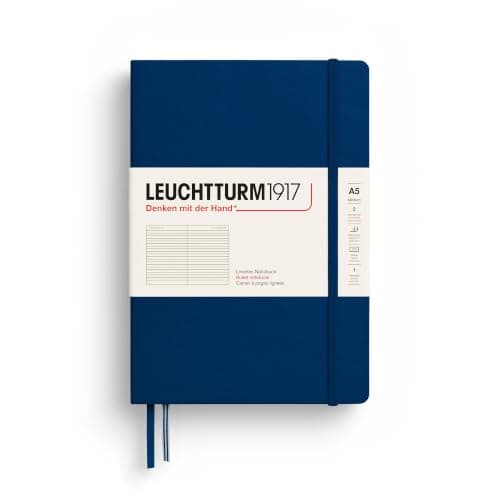
LEUCHTTURM1917 LEUCHTTURM1917 A5 Notebook
LEUCHTTURM1917 A5 Notebook

The travel-journal upgrade — numbered pages, an index and a pocket for tickets and stubs.

The traveler who writes or sketches
8.4
$25.50Amazon
02
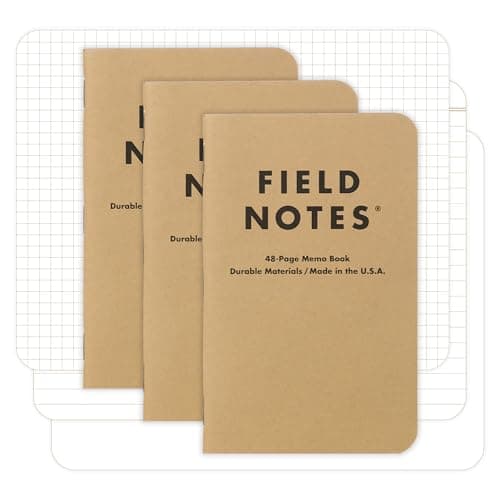
Field Notes Field Notes Original Kraft Memo Books (3-pack, mixed paper)
Field Notes Original Kraft Memo Books (3-pack, mixed paper)

The pocket notebook that disappears into a back pocket and does not complain about how it is treated.

The daily carry notebook — one trip per book, then shelve it
8.4
$12.95Amazon
03
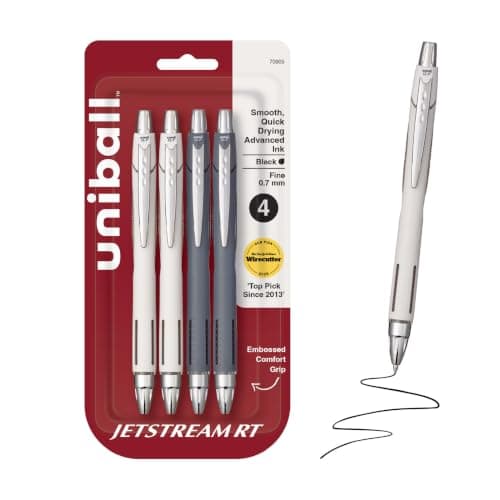
uni-ball uni-ball Jetstream RT (0.7mm, 4-pack)
uni-ball Jetstream RT (0.7mm, 4-pack)

Hybrid ink that flows like a gel and dries like a ballpoint — the best pen here to actually write in a journal with.

Long journal entries, and anyone whose hand smudges what they just wrote
8.0
$6.47Amazon
04
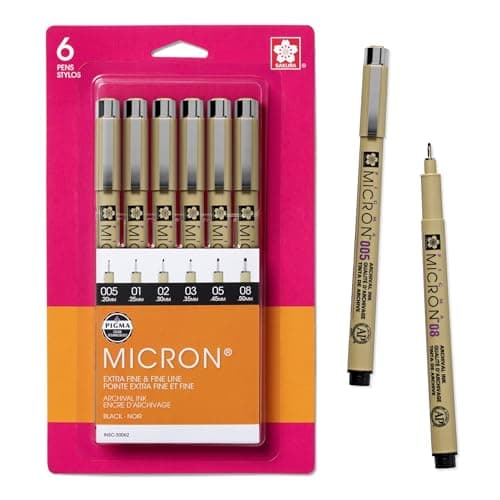
Sakura Sakura Pigma Micron Fineliners (6-pack)
Sakura Pigma Micron Fineliners (6-pack)

Archival pigment ink that will not fade or run — the right pen if the journal is meant to be kept.

Travel journals with sketches, maps and anything that must survive a spilled drink
7.8
$12.64Amazon

#ad · Live prices from the Amazon Product API, as of October 22, 2026. Where we have no verified live price, we show none — we would rather leave a gap than print a number that has gone stale.

In detail

The picks, in full

01
LEUCHTTURM1917 LEUCHTTURM1917 A5 Notebook

The traveler who writes or sketches

LEUCHTTURM1917 A5 Notebook

Numbered pages + indexBack pocketLay-flat bindingElastic closure
8.4/10

The travel-journal upgrade — numbered pages, an index and a pocket for tickets and stubs.

Usefulness
8
Portability
9
Durability
8
Value
8
Giftability
9

Good

  • Numbered pages and a built-in index turn a diary into a searchable record
  • The rear gusset pocket holds boarding passes and ticket stubs
  • Lay-flat binding makes writing on a tray table easy

Trade-offs

  • A journal only lands if they actually like to write
  • Pricier than a basic notebook

Skip it if…

…the recipient has never kept a journal. It's a lovely object, but a non-writer will leave it blank.

$25.50View on Amazon

Price as of October 22, 2026. Prices change — Amazon's is the one that counts.

#ad · we may earn a commission from this link to LEUCHTTURM1917 A5 Notebook

02
Field Notes Field Notes Original Kraft Memo Books (3-pack, mixed paper)

The daily carry notebook — one trip per book, then shelve it

Field Notes Original Kraft Memo Books (3-pack, mixed paper)

3.5 x 5.5 in48 pagesSaddle-stitchedGraph, ruled and plain in one pack
8.4/10

The pocket notebook that disappears into a back pocket and does not complain about how it is treated.

Usefulness
9
Portability
10
Durability
6
Value
9
Giftability
8

Good

  • Saddle-stitched and thin enough to bend to the shape of a pocket instead of fighting it
  • One notebook per trip is a genuinely good system, and a 3-pack is three trips for the price of one hardcover
  • The mixed pack means you find out whether they want grid, lines or blank without having to ask
  • Cheap enough to use badly — nobody saves a Field Notes for a worthier thought

Trade-offs

  • 48 pages goes fast if they write daily; this is a short-trip book, not a year
  • Thin paper: fountain pens and heavy markers bleed through, and rain destroys it
  • No pocket, no elastic, no place to keep a ticket stub

Skip it if…

…they want one notebook that lasts a year and looks like a book on a shelf. That is a hardcover purchase; this is a consumable.

$12.95View on Amazon

Price as of October 22, 2026. Prices change — Amazon's is the one that counts.

#ad · we may earn a commission from this link to Field Notes Original Kraft Memo Books (3-pack, mixed paper)

03
uni-ball uni-ball Jetstream RT (0.7mm, 4-pack)

Long journal entries, and anyone whose hand smudges what they just wrote

uni-ball Jetstream RT (0.7mm, 4-pack)

Hybrid ballpoint ink0.7mm fine pointQuick-dryingRetractable, 4-pack
8.0/10

Hybrid ink that flows like a gel and dries like a ballpoint — the best pen here to actually write in a journal with.

Usefulness
10
Portability
9
Durability
6
Value
10
Giftability
5

Good

  • The hybrid ink glides with far less pressure than a standard ballpoint, which is the difference between enjoying a page and finishing one
  • It dries fast enough that a left-handed writer or a closed notebook does not smear it
  • Still a paste-based ballpoint ink, so it travels through pressure changes without drama
  • A multipack costs less than one mid-range pen — leave one in each bag

Trade-offs

  • Plastic body: it is a tool, not an object, and it will not survive being stood on
  • Not refillable in practice at this price — you replace rather than refill
  • Fine 0.7mm point can feel scratchy on cheap, absorbent paper

Skip it if…

…you want the pen to be the present. This is the one you use, not the one you unwrap — pair it with a notebook if it needs to look like a gift.

$6.47View on Amazon

Price as of October 22, 2026. Prices change — Amazon's is the one that counts.

#ad · we may earn a commission from this link to uni-ball Jetstream RT (0.7mm, 4-pack)

04
Sakura Sakura Pigma Micron Fineliners (6-pack)

Travel journals with sketches, maps and anything that must survive a spilled drink

Sakura Pigma Micron Fineliners (6-pack)

Archival pigment inkWaterproof and fade-resistant once dryAssorted point sizes6 pens per set
7.8/10

Archival pigment ink that will not fade or run — the right pen if the journal is meant to be kept.

Usefulness
8
Portability
8
Durability
6
Value
9
Giftability
8

Good

  • Pigment ink, not dye — once dry it does not run when the page gets wet, which is the failure that ruins travel journals
  • Sakura rates it archival and fade-resistant, so a journal written now is still legible in decades
  • Assorted nib sizes in one set cover writing, sketching and captions without buying three products
  • The standard choice for illustrated journaling, so it works with watercolor and marker over the top

Trade-offs

  • Felt-style tips crush if the pen is jammed nib-down into a bag — they need a pocket or a case
  • Slower to dry than a ballpoint on glossy paper, and they bleed through thin notebook stock
  • Disposable: no refills, and a dead nib is a dead pen

Skip it if…

…the pen has to be a one-pen, do-everything traveler. These are a journaling set; keep a ballpoint for landing cards and rental agreements.

$12.64View on Amazon

Price as of October 22, 2026. Prices change — Amazon's is the one that counts.

#ad · we may earn a commission from this link to Sakura Pigma Micron Fineliners (6-pack)

Quick answers

What do you write in a travel journal?

Where you were, what you did, what you ate, one thing somebody said, one thing you noticed. Five lines. Specifics and proper nouns age better than descriptions.

How do you keep a travel journal going?

Attach it to a moment that already exists in the day — the first coffee, the gap before dinner — and keep the minimum entry small enough that a tired version of you will still do it.

What size notebook is best?

A5 for writing at length, pocket-size for notes on the move. A5 is what most people mean by a travel journal; pocket is what actually gets carried every day.

Dotted, lined or blank?

Dotted is the safe default: it supports prose, lists and a quick sketch without committing to lines. Blank is a preference, not a default.

Which pen should you use?

A quick-drying hybrid ballpoint for the writing, and archival pigment liners as well if there are sketches or the journal must survive getting wet. Match the ink to the paper.

What to spend

A memo book and a multipack of pens is a few dollars and is the honest starting point. The numbered-page hardcover is the upgrade once the habit has stuck. Every button here shows a live price with the date it was checked.
How we chose

We don't run a testing lab — and we say so

Every ranking site in this category implies a test bench. We don't have one. We compile the published specs (real dimensions, weight, capacity, TSA and cabin-size compliance), do the arithmetic a gift buyer actually cares about, pull live prices so nothing is stale, and score each pick against a published rubric. The scores are judgments from documented research — not measurements we took. Where a fact came from a manufacturer or a retailer, we name and link them in Sources.

Questions

Frequently asked

How do you start a travel journal?
Pick one fixed moment in the day, write five lines — where, what you did, what you ate, something someone said, something you noticed — and put the tickets in the back pocket. Expand only when you feel like it.
What should I write on the first page?
The practical stuff: dates, flight numbers, where you are staying, who you are with. It makes the book immediately useful, and it means the first page is not a blank you have to be eloquent on.
One notebook per trip or one for the year?
Per trip for short, frequent travel — finishing a thin book is motivating. One book for the year if you write most days and want a searchable record, which is where numbered pages and an index earn their money.
Is a travel journal a good gift?
Only for someone who already writes. For everyone else a blank notebook is an obligation. Pair it with the right pen and write one line inside the cover so it does not arrive entirely blank.
What if I miss a few days?
Write the missed days as single lines from memory and carry on. A journal with gaps is a normal journal; a journal that stopped because of a gap is the common failure.
Can I use my phone instead?
You can, and plenty do. What paper gives you is no notifications, a place to put the ticket stubs, and an object that still exists when the account does not.

Keep reading

Receipts

Sources

We don't run a testing lab, and we don't pretend to. Product facts come from manufacturer spec sheets and retailer listings, which we name and link. Where we couldn't verify something, we say so on the page rather than quietly leaving it out. Read our full method.