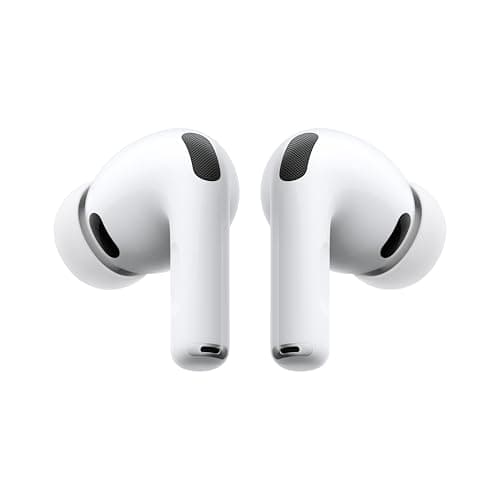
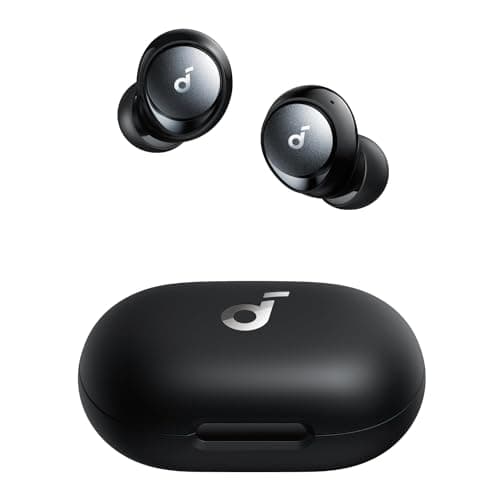
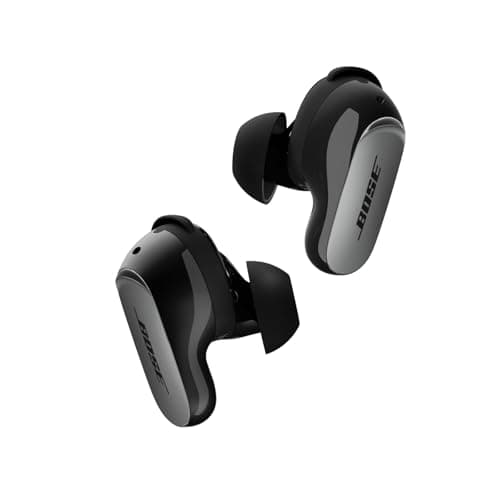
If they're on Android, this comparison is already over — buy the Bose. If they're on an iPhone, the answer is genuinely contested, and it comes down to whether you're buying a headphone or buying into an ecosystem. Both are legitimate purchases; they're just different ones.
The ecosystem question, which is the real one
Apple's earbuds do things on Apple devices that no third-party pair can: instant pairing, automatic handoff between phone, tablet and laptop, and a general absence of friction. On an iPhone that's a daily convenience rather than a spec-sheet line, and it's the main reason people buy them.
On Android, none of that activates. You're paying a premium for features that don't exist on that phone, which is why we'd steer any Android owner straight to the Bose or the value tier. It's the same logic we apply to luggage trackers in AirTag vs Tile vs SmartTag: first-party hardware only reaches full value inside its own ecosystem.
Where the Bose wins on the product itself
Cancellation. Bose's noise canceling in this class is the strongest available in an earbud, and on a plane that's the headline. The gap over Apple's is real if smaller than the marketing implies.
Cross-platform consistency. Works fully on both platforms, which matters for a mixed household or a recipient who might switch phones.
Fit security. Bose's stability approach suits people who find AirPods work loose, which is a genuine and quite common complaint. Ear shape is individual enough that this is worth knowing about the recipient.
Where Apple's win
Frictionlessness. Open the case near an iPhone and it just works, across every device on the account. Nothing else replicates it.
Familiarity. They need no explanation, which matters for a gift to someone non-technical.
Price. Typically the less expensive of the two, though both move around and our live prices tell the truth on any given day.
The pick that beats both on value
The uncomfortable fact about this comparison is that the value tier has got very good. A sub-$100 pair of noise-canceling earbuds now delivers genuinely effective cancellation and long battery life. It gives up the last stretch of silence, some material quality and the polish — real differences, but a fraction of the price difference.
For a teenager, a first pair, a spare pair, or anyone who loses things, that's simply the correct purchase, and it's why our travel gifts for teens list points there rather than at the flagships. For someone flying long-haul monthly, the flagship difference is felt on every trip.
What neither one fixes
Active cancellation works on continuous low-frequency noise — engine drone, air conditioning, road hum. It struggles with sudden high-frequency sound: a baby, an announcement, a conversation two rows back. Both of these will soften those and neither will remove them. Any review promising silence is overselling the technology rather than describing the product.
Also worth setting expectations on: in-ear comfort over eight hours is individual. Some ears object to tips regardless of brand, and for those people over-ears are the answer — see Sony XM5 vs Bose QuietComfort.
The bottom line
Android: Bose, comfortably. iPhone with a long-haul habit: Bose for outright cancellation, Apple for daily frictionlessness, and either is defensible. Occasional flyer on any phone: buy the value tier and spend the difference elsewhere. Our noise-canceling headphone roundup ranks all of them together with live prices.
Decide in four questions
1. What phone do they carry?
Android rules out the Apple pair on value grounds alone. iPhone opens the real comparison.
2. Do AirPods stay in their ears?
A very common complaint and entirely down to ear shape. If they've struggled before, that's a strong signal toward the Bose fit.
3. How often do they fly?
Monthly long-haul justifies a flagship. A few flights a year does not, and the value tier is genuinely good now.
4. Do they sleep on planes?
Earbuds beat over-ears for anyone leaning against a window. If they never sleep and sit in aisles, over-ears become competitive again.