Spend the money where it buys capability, not where it buys a logo. In travel gear, unusually, there are places where the expensive version is genuinely, measurably better — a suitcase warranty that covers airline damage, noise cancellation that changes what a fourteen-hour flight feels like, a device that works where there's no phone signal at all. Those are the splurges worth making. The rest of the luxury market is buying materials and a name, which is a fine reason to spend money as long as you know that's what you're doing.
The three splurges that buy something real
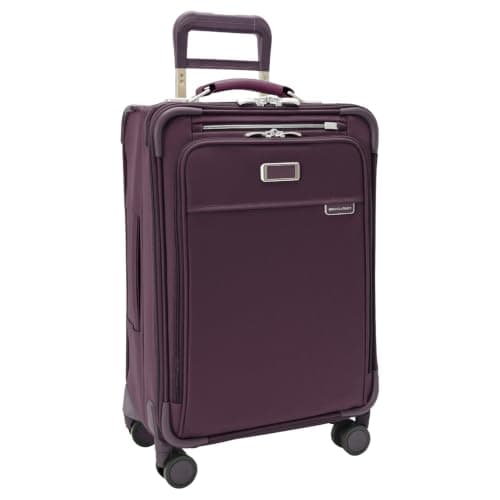
A carry-on with a guarantee that covers airline damage. Briggs & Riley's lifetime guarantee explicitly covers damage caused by airlines, which almost nobody else's does. For someone flying weekly, that turns a suitcase from a consumable into a fixed asset. It's the clearest example on this page of a premium that pays for itself, and our carry-on roundup ranks it against the mid-market options honestly.
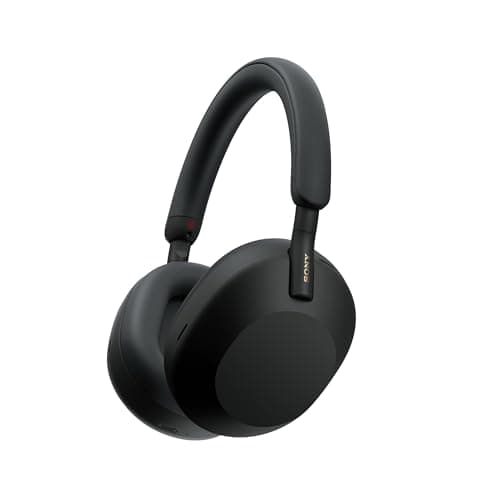
Flagship noise-canceling headphones. The gap between $80 headphones and the flagships is not a small refinement — it's the difference between reduced engine drone and a genuinely quiet cabin. On long-haul, that changes whether someone arrives functional. If you're buying one expensive thing for a frequent flyer, this has the highest hit rate of anything on the site. Our headphones roundup and the Sony vs Bose comparison cover which flagship suits whom.
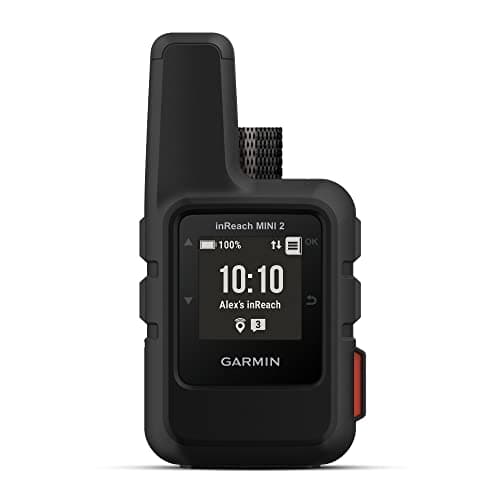
A satellite communicator. The purest example of the category. A two-way satellite messenger works where there is no cell network at all, which is exactly where the ability to send a message matters most. Nobody buys one for themselves — it feels like insurance against something that won't happen — which makes it one of the great gifts for anyone who hikes, drives remote routes or travels off-grid. It's the anchor of our gifts for adventure travelers list for that reason.
The splurges that buy materials and presentation
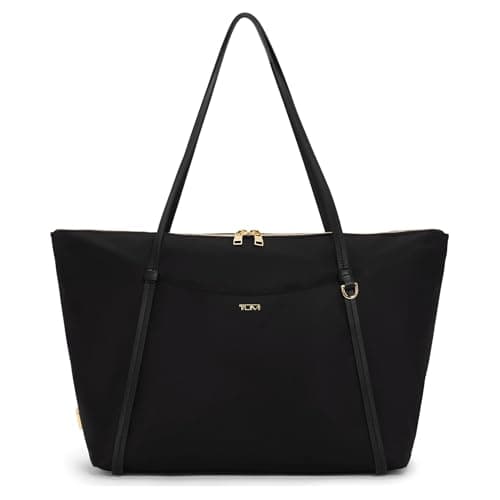
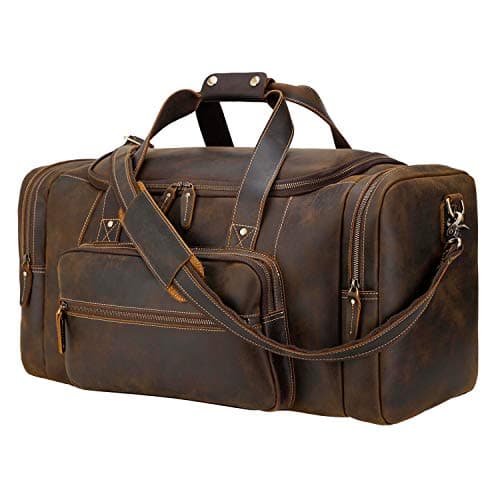
Cashmere, full-grain leather, designer nylon. These don't outperform their cheaper equivalents at the job — a fleece is warmer per gram than cashmere, and a $60 duffel carries the same clothes as a $300 leather one.
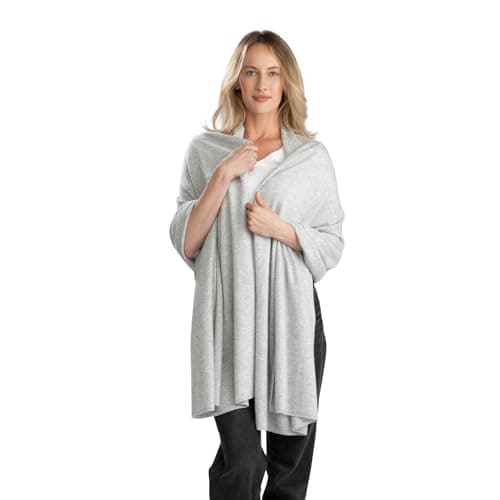
What they buy is real, though, and we'd rather name it than dismiss it. They age instead of wearing out. They present as a gift the moment they're unwrapped, which a technical product almost never does. And they are, straightforwardly, things people don't buy for themselves — which is the entire logic of gift-giving at this tier. A cashmere wrap is the clearest case: functionally a blanket, emotionally something else entirely.
Buy in this category deliberately, not accidentally. The mistake is paying luxury prices while believing you're buying performance.
When a splurge is the wrong call
Three situations where spending more actively reduces the quality of the gift. (If any of them apply, the travel gifts under $200 list is the tier to step down to — it still buys the real thing, without the label premium.)
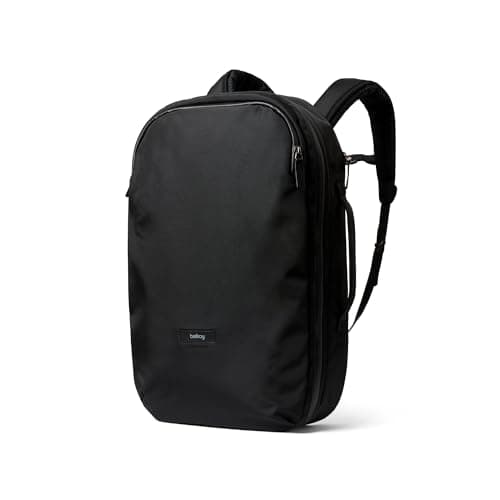
When it's a taste decision. Bags, wallets and anything worn are personal. An expensive bag in the wrong style is a harder gift to be honest about than a cheap one — the recipient now has to display gratitude for something they won't use.
When they've already solved it. Someone who travels constantly has a system. Replacing a component of a working system with a nicer one is often unwelcome, which is the whole subject of gifts for travelers who have everything.
When the relationship doesn't carry it. An expensive gift creates an obligation. Our how much to spend guide sets the tiers, and the short version is that $150-plus belongs with partners, parents, siblings and milestones — not with coworkers, however much you like them.
The best luxury gift for someone who already owns everything
Upgrade the thing they use most and would never replace while it still works. Almost everyone has a daily travel object that's slightly past its best and functional enough that buying a new one never reaches the top of the list — the wash bag with the failing zip, the wallet with the split seam, the ten-year-old headphones.
That object is the ideal target. The recipient gets a visible daily improvement, you avoid guessing at a new category, and the gift is obviously considered rather than expensive. It's the single most reliable strategy at this price point, and it costs nothing but paying attention.
How to choose a luxury travel gift
1. Capability or materials?
Decide which you're buying. A warranty that covers airline damage, real noise cancellation and satellite coverage are capability. Cashmere and leather are materials. Both are valid; conflating them isn't.
2. Is it a taste decision?
Bags and worn items are personal, and an expensive miss is harder to return than a cheap one. Technical products are much safer at this price.
3. Does the relationship carry it?
An expensive gift creates an obligation. Partners, parents, siblings and milestones carry it comfortably; almost nothing else does.
4. Do they already have a system?
Frequent travelers do, and replacing a working component is often unwelcome. Upgrade what's worn out rather than introducing something new.
5. Will they actually use it?
The single test that matters. A $400 bag that doesn't suit their travel is a worse gift than a $40 one that gets packed every trip.