Personalize the identification, not the personality. Initials on a luggage tag are useful — they help someone spot their bag on a carousel of identical black suitcases. A slogan on a passport cover is a joke the recipient has to carry through immigration for ten years. Nearly every personalized-gift failure is that distinction.
The three rules that keep it from looking cheap
1. Initials and names, not messages. A monogram reads as considered. "World's Okayest Traveler" reads as a gift bought in four minutes. The recipient has to use this in public, repeatedly, in front of border officials.
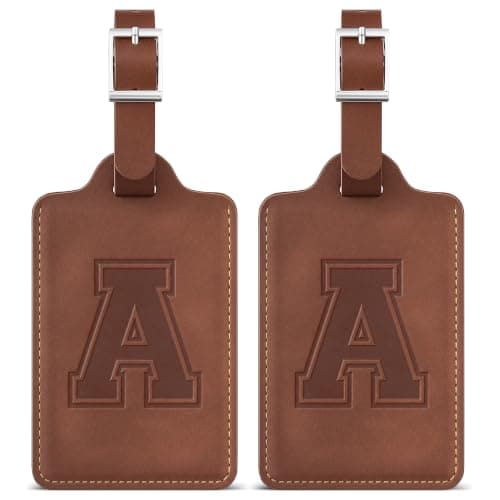
2. Engraved or embossed, not printed. Printed personalization rubs off — usually within a year, usually leaving a half-legible smear that's worse than nothing. Engraving into steel or blind embossing into leather is permanent and ages well.
3. Personalize things that get lost, not things that get worn out. A luggage tag is the ideal candidate: identification is literally its function. Personalizing a consumable, or something they'll replace in two years, wastes the customization.
What's genuinely worth personalizing
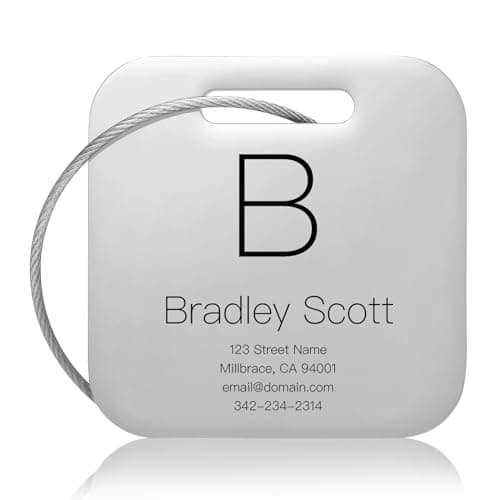
Luggage tags. The best category by a distance. It solves a real problem — finding your bag among identical ones — and engraved steel survives a baggage belt where paper tags dissolve and plastic ones snap. Cheap enough to do for a whole family in one order.
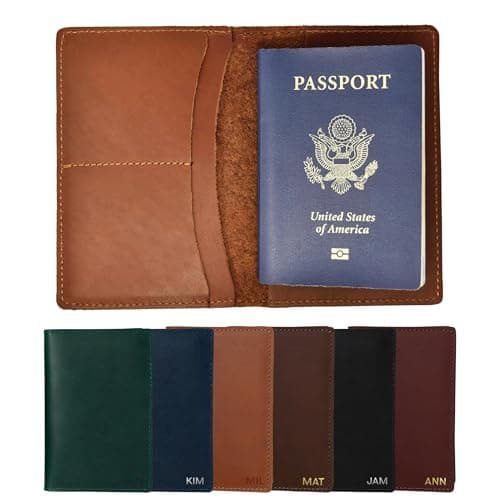
Passport holders. Discreet initials on full-grain leather is the sweet spot: it looks like a considered object rather than a souvenir, and it ages into something better. Avoid bonded leather, which peels.
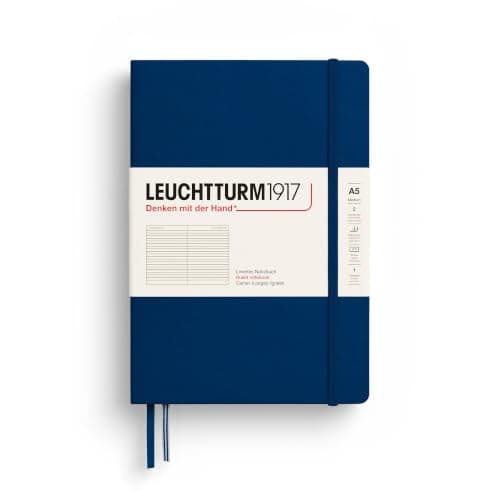
Journals. A travel journal is already a personal object, so a monogram sits naturally on it. Worth pairing with a good pen, and only worth buying at all for someone who actually writes — a blank journal is a quiet reproach.
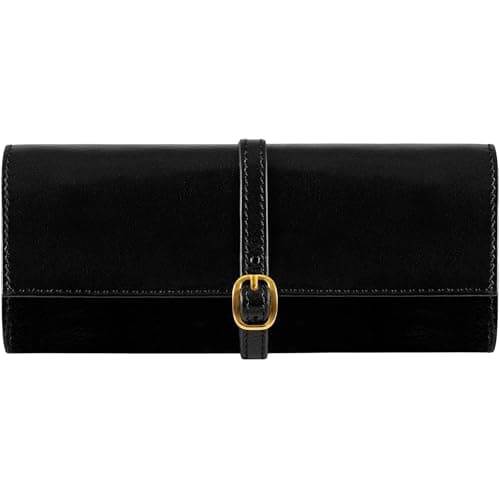
Anything where identification helps. Water bottles that get mixed up, chargers that get borrowed, a jewelry roll shared between two people packing together.
What not to personalize
Electronics. They get replaced on a two-to-four-year cycle, and engraving hurts resale.
The suitcase itself. Frequent travelers change bags, and a monogrammed case is also a small advertisement of who owns it and that they're away from home.
Anything sized. Clothing and footwear already carry fit risk; personalization removes the ability to exchange.
Anything you're not certain about. Which brings us to the practical warning.
The returns problem, stated plainly
Personalized items generally cannot be returned or exchanged. That's standard across retailers and it's reasonable — nobody else wants a wallet with someone else's initials on it. Two consequences worth taking seriously:
Check the spelling obsessively. Initials, name order and any surname spelling. Get it wrong and there is no remedy. This sounds obvious and is the single most common personalized-gift disaster.
Order early. Custom production adds lead time on top of shipping, which makes personalization a poor choice for a last-minute gift. If the occasion is close, buy something from our stocking stuffers or under $25 lists instead and give the personalized thing later.
The non-engraved kind of personal
Worth remembering that "personalized" doesn't have to mean engraved. A gift chosen precisely for the way someone travels is more personal than a monogram — magnetic hooks for a cruiser, a silk liner for a hostel trip, a watch case for someone who travels with a watch they love. That kind of specificity communicates attention in a way a machine-engraved initial doesn't, and our unique travel gifts guide is built entirely around it.
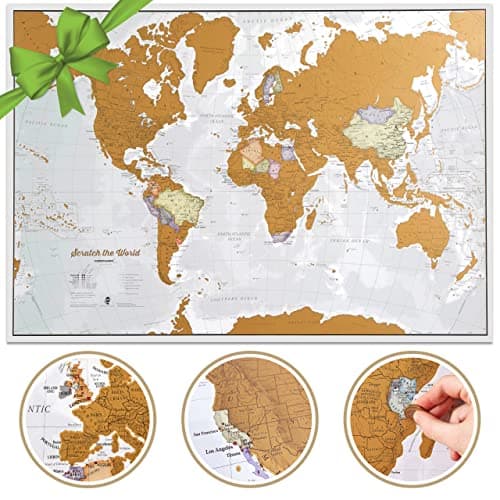
A scratch-off map sits in between: not personalized at manufacture, but it becomes theirs as they scratch it. For couples especially, that ages into something no engraving matches — see travel gifts for couples.
The short version
Initials, engraved not printed, on something whose job is identification. Check the spelling twice, order early, and if you're even slightly unsure about the details, buy the excellent unpersonalized version instead — a plain full-grain leather passport holder is a better gift than a monogrammed one with the wrong initials on it.
Getting personalization right
1. Initials, never a slogan
They carry this in public, repeatedly. A monogram is discreet; a joke is permanent.
2. Engraved or embossed, never printed
Printed personalization rubs to a smear within a year. Engraving into steel or leather is permanent.
3. Pick things whose job is identification
Luggage tags first. Personalizing a consumable or a two-year device wastes the customization.
4. Triple-check the spelling
There is no return and no exchange. This is where personalized gifts most often go wrong.
5. Order well ahead
Custom production adds lead time. For a last-minute occasion, buy something unpersonalized and give this later.