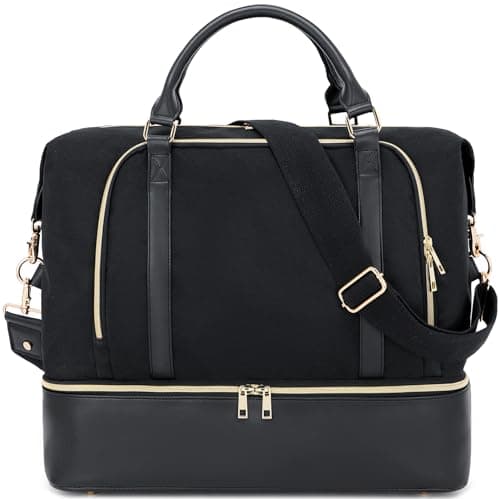
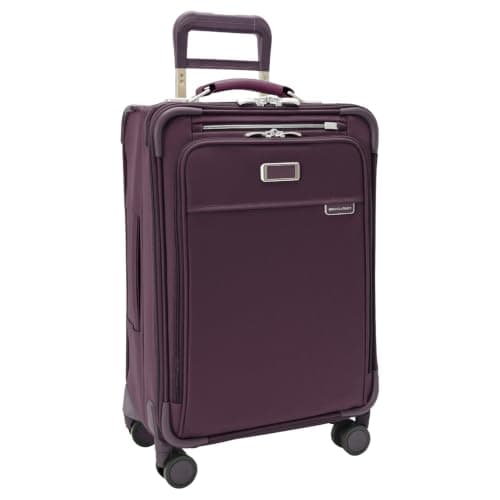
Only one kind of luxury bag has an argument that survives arithmetic: the one with a guarantee behind it.Briggs & Riley's lifetime cover extends to airline damage, which is the failure mode that actually kills suitcases. Everything else on this page is bought for materials, design or the name — all legitimate reasons, but we're going to be straight about which is which.
What "luxury" is actually buying you
Strip the marketing away and a premium travel bag is charging for one or more of four things. Knowing which one you want is the whole decision, because they trade against each other and no bag delivers all four.
- Materials. Ballistic nylon, full-grain leather, YKK-grade zips and metal hardware genuinely last longer than the coated polyester and plastic fittings on a budget bag. This is the most defensible premium there is, and it's measurable — you can see the difference in five years.
- Guarantee. A handful of makers cover their bags for life, and one covers damage caused by airlines. Since airline handling is what destroys most luggage, that's the only warranty term in the category that changes the maths rather than decorating it.
- Design resolution. The expensive bags have usually been iterated for decades: a handle that doesn't wobble, an expansion system that recompresses, a strap that sits properly on a rolling bag. Small things, felt on every trip.
- The name. A recognizable bag is a social object as much as a functional one. That's a real reason to buy — it just isn't a performance reason, and pretending otherwise is how people end up disappointed.
Where the premium is worth paying, and where it isn't
Here's our honest read after ranking these against the mainstream options in our carry-on luggage roundup and travel backpack roundup.
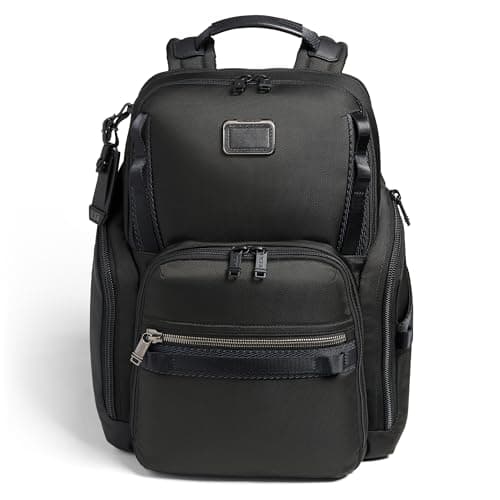
Worth it: hard-use bags for frequent travelers. If someone flies weekly, a suitcase is a consumable at the budget end and an asset at the top end. A guaranteed carry-on that gets repaired rather than replaced changes the ten-year cost, not just the ten-year experience. The same logic applies to a ballistic-nylon work backpack carried five days a week.
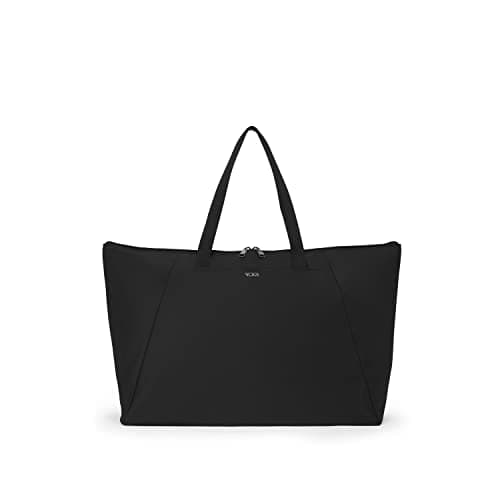
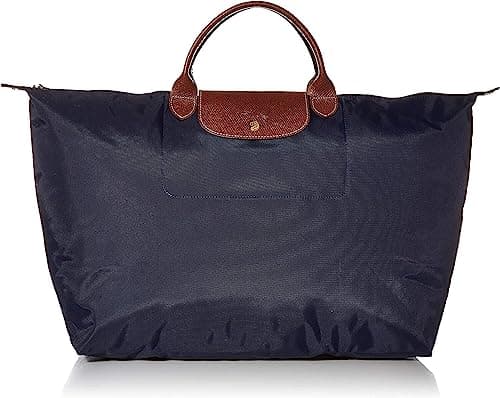
Not worth it on performance: the packable and folding bags. A designer packable tote and a $25 packable duffel do the same job — fold flat, become an extra bag — and the expensive one does it with nicer fabric and a better strap. Buy it because it's beautiful and it presents as a proper gift, which is a good reason. Don't buy it expecting it to out-carry the cheap one.
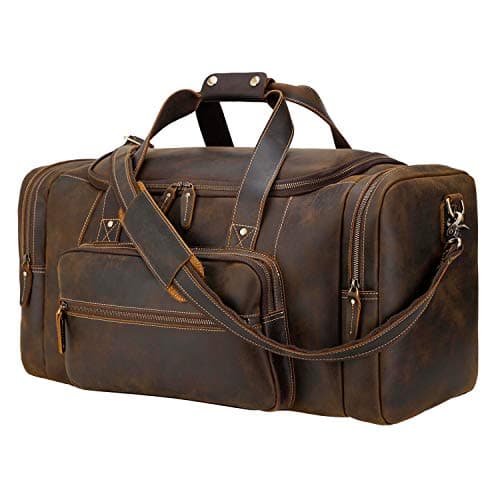
Depends entirely: leather. A full-grain leather weekender is the best-looking travel bag you can own and it ages into something better. It's also heavy, unhappy in rain, and the wrong choice for a two-week trip. For the polished short trip it's superb; for anything else it's an ornament with handles.
The size question, before the brand question
A luxury bag that's the wrong size is an expensive mistake, so settle this first. For most travelers, the useful set is a carry-on-sized wheeled bag, a personal-item bag that rides on it, and — if they travel for work — a proper backpack. That's it. Adding a fourth bag to the collection is how people end up with beautiful luggage they never use.
Two practical notes that apply regardless of price. First, carry-on dimensions vary between airlines and budget carriers are stricter than the flag carriers; an expensive bag is not exempt from a sizer. Second, an expandable bag is only carry-on legal in its unexpanded state, which is exactly when people forget. Both are worth checking against the specific airline before a trip.
What we didn't rank, and why
We haven't included the very top of the market — the four-figure heritage luggage houses — because at that point the purchase is a fashion decision rather than a travel one, and we don't have anything useful to add to it. We've also left out bags we couldn't verify as currently purchasable at the time of writing; a beautiful recommendation you can't buy is not a recommendation.
We include one deliberately non-luxury pick at the bottom of the ranking. It's there as a control: if you read the reasoning above and conclude that the premium isn't buying you anything you need, that's the bag to buy instead, and we'd rather say so than pretend every reader should spend four figures.
We've also kept the small goods off this page entirely. Leather document folios, cashmere wraps, wash bags and jewelry rolls are judged on different things — material grade rather than capacity — so they get their own ranking on best luxury travel accessories. For most gift buyers that page is the easier win: an accessory has no size to guess.
How we ranked these
We compile published specifications — materials, dimensions, warranty terms, weights — and score against a published rubric. We do not run a testing lab, so nothing here claims to be a durability test result. What we can do honestly is read the warranty terms carefully, compare materials and weights against the mainstream alternatives, and tell you where the money goes. The ranking rewards bags that justify their price with something you can point at, which is why the guaranteed carry-on leads and the designer packable doesn't.
How to choose a luxury travel bag
Six questions, in order. The first three eliminate most of the market.
1. How often does it fly?
Weekly flying is what justifies a premium suitcase, because it's what destroys a cheap one. A few trips a year and a good mainstream bag will outlive the trips you take with it — the premium is buying you pleasure, not longevity you'll ever reach.
2. Checked or carry-on?
Checked bags take the abuse, so materials and warranty matter most. Carry-on bags live in overhead bins and under seats, where weight and dimensions matter more than armor. Buying a heavy premium carry-on can actively cost you, since the bag's own weight eats into an allowance.
3. What does the warranty actually cover?
Read the terms rather than the headline. "Lifetime" often means manufacturing defects only, which excludes exactly what happens to luggage in the real world. Cover that explicitly includes airline damage is rare and is the strongest single argument in this category.
4. Leather, nylon or coated fabric?
Ballistic nylon is the best all-round premium material: light, abrasion- resistant, unbothered by rain. Full-grain leather looks better and ages beautifully but is heavy and rain-averse. Coated canvas and nylon sit in between and are usually where the fashion houses play.
5. Does it need to work with the rest of the set?
A trolley sleeve — the strap that slides over a suitcase handle — is the single most useful feature on a second bag, and plenty of expensive bags omit it. If they'll carry two bags through an airport, this matters more than the logo.
6. Is it a gift or a purchase?
As a gift, presentation and recognizability count for a lot, which pushes toward the designer tote or the leather weekender. As a purchase for yourself, the guarantee and the materials should win. It's genuinely a different decision, and it's fine to admit which one you're making.