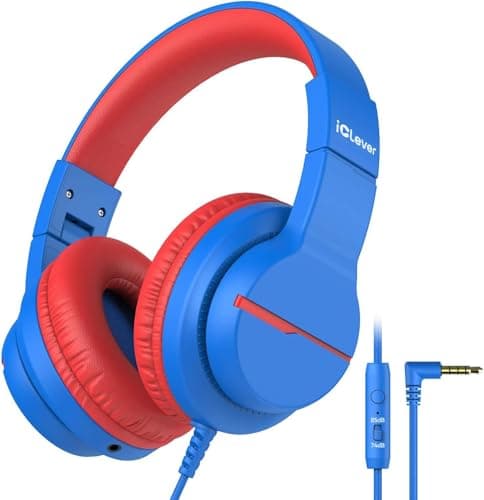
Volume-limited headphones first. They protect small ears through the fourth consecutive viewing of the same film, they need no charging or pairing if you buy the wired pair, and they buy the adults in the row two hours of peace. No other kids' travel gift has that hit rate.
What makes a travel gift work for a child
Kids' travel gifts fail for two opposite reasons. Either they're too fragile or fiddly to survive a journey, or they're so obviously a parenting tool that the child feels short-changed. The ones that work sit in the middle: they're genuinely fun to receive and they happen to make the trip easier.
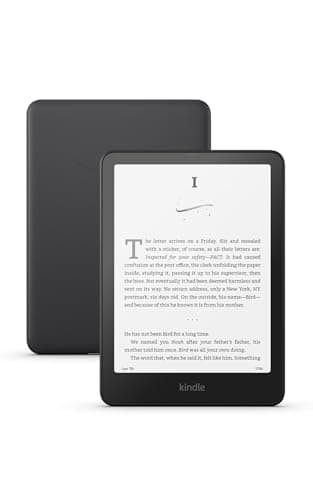
- Entertainment they control. Headphones, a camera, a reader — anything where the child gets to decide what happens next beats a toy someone hands them.
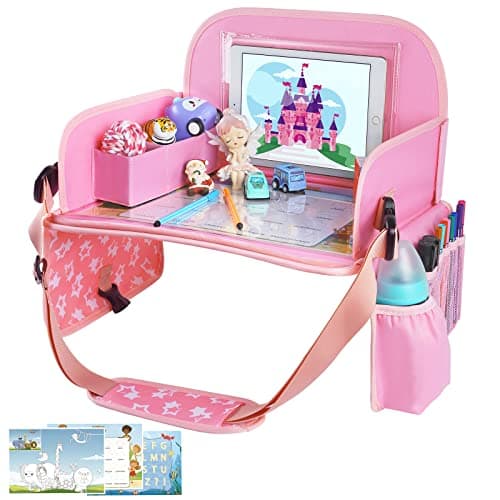
- A surface to work on. The single biggest complaint in car travel with small children is that there's nowhere to put anything. A car-seat tray with raised edges and side pockets solves more problems than its price suggests.
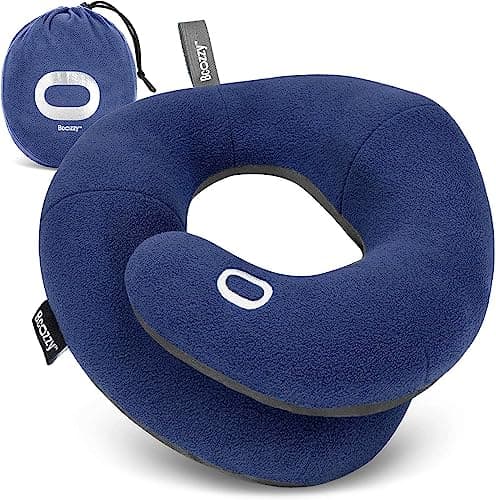
- Comfort that fits a small body. Adult neck pillows don't work on children. Chin-supporting designs that come in a kids' size do, and they stop the head-flop that wakes a child every ten minutes.
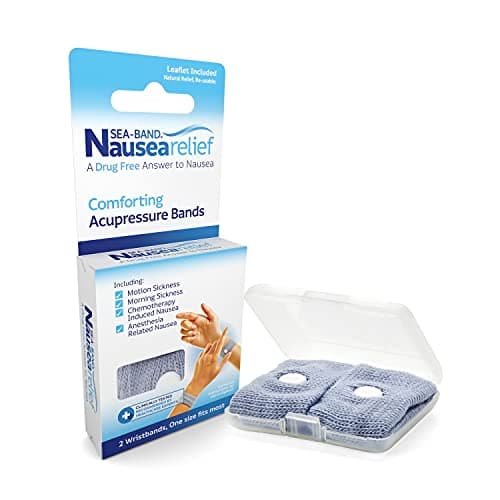
- Motion sickness help. Drug-free acupressure bands are a kind, low-risk gift for a child who dreads car journeys — they work for some children and not others, but there's no drowsiness either way.
Age changes everything
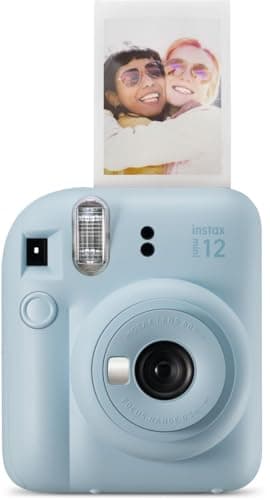
A gift that delights a five-year-old insults a twelve-year-old. Roughly: under six, buy the tray, the bands and the pillow — the parents are the real beneficiary and that's fine. Six to ten, the instant camera lands best, because a physical print is a genuine novelty to a child raised on screens. Older than that and you're into teenager territory, where the right answer is grown-up gear in their own color — see travel gifts for teens.
One caution about the instant camera: film is an ongoing cost and it isn't cheap per shot. Buy a couple of packs with it, or the gift stalls on the first afternoon and turns into a request for money.
Flying versus driving
The two trips need different gifts and it's worth being deliberate. In a car, the tray, the bands and something to look at out of the window matter most. On a plane, it's headphones, the neck pillow and downloaded entertainment — and a refillable bottle they can fill after security, because the alternative is a hunt for water at the gate with a thirsty child.
If the trip is a family road trip, our gifts for road trippers list covers the adult side of the same journey, and gifts for beach lovers is the one to read if the destination is sand. For a gift to the whole household rather than the child — trackers for every bag, a family passport organizer — see gifts for families who travel.
What to skip
Skip anything with a lot of small pieces — the floor of a car or a plane is where small pieces go to die. Skip noisy toys, for reasons the rest of the cabin will explain. And skip screen-based gifts that need Wi-Fi to work; if it can't run in airplane mode with no signal, it isn't a travel gift.
How to choose a travel gift for a child
The age and the mode of travel do almost all the work. Four questions.
1. How old are they?
Under six: comfort and containment. Six to ten: creative and hands-on. Ten and up: treat them like a small adult and buy proper gear rather than kids' versions, which they'll notice and resent.
2. Car or plane?
A car-seat tray is transformative in a car and useless on a plane, where the seat-back tray already exists. Headphones and a neck pillow work in both, which is why they're the safest picks if you don't know the itinerary.
3. Do they get motion sick?
If a child dreads car or boat journeys, drug-free wristbands are a thoughtful, low-risk gift. They help some children and not others, and they're best treated as one option alongside a doctor's advice for severe cases.
4. Is the gift really for the parents?
That's allowed, but be honest about it. If you're buying the tray or the bands, consider adding something small that's unambiguously for the child — a camera, a book, a sticker pad — so the unwrapping isn't a disappointment.
How we chose
Every ranking site in this category implies a test bench. We don't have one. We compile the published specs (real dimensions, weight, capacity, TSA and cabin-size compliance), do the arithmetic a gift buyer actually cares about, pull live prices so nothing is stale, and score each pick against a published rubric. The scores are judgments from documented research — not measurements we took. Where a fact came from a manufacturer or a retailer, we name and link them in Sources.