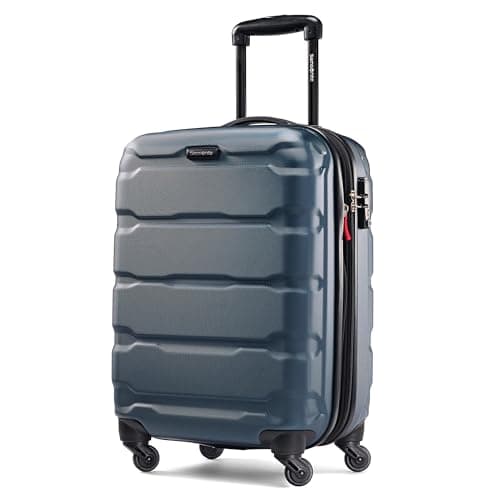
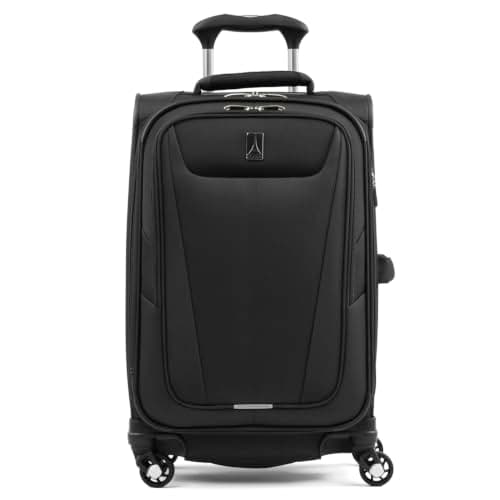
Gift the carry-on. A cabin-size suitcase fits every traveler who flies, gets used on short trips as well as long ones, has one widely-understood size to buy for, and never costs the recipient a bag fee. A large checked suitcase suits a narrower set of trips, is a bigger commitment to somebody else's taste, and spends most of the year in a cupboard. Unless you know something specific about how they travel, the cabin bag is the answer.
Why the cabin bag is the safer present
It has a defined target size. Cabin allowances vary between airlines, but they cluster tightly enough that a standard 21-inch spinner is accepted by the large US carriers on mainline flights. There is no equivalent consensus at the checked end — "large" means anything from 27 to 32 inches, and the bigger the bag, the easier it is to buy one the airline's weight limit makes useless. Our carry-on size rules guide has the dimensions and the regional exceptions.
It gets used far more often. A cabin bag serves the weekend away, the work trip and the two-week holiday. A 30-inch checked case serves the two-week holiday only. Frequency of use is the most underrated quality in a gift.
It saves them money without you saying anything. Basic fares on most US carriers charge for the first checked bag, so a traveler with a good cabin bag is a traveler avoiding a per-flight fee. A checked suitcase, by contrast, is a gift that costs money to use.
It cannot get lost between cities. A bag that stays with its owner is never mishandled, delayed or sent to the wrong airport.
The three cases where the checked bag is genuinely right
They travel with a family. Two adults and two small children do not fit into cabin bags, and pretending otherwise is a fantasy sold by one-bag travel videos. Families check.
Their trips are long, cold, or gear-heavy. Ski weeks, diving trips, camping trips, a month somewhere with four seasons in it. Bulk is bulk, and no packing technique defeats a wetsuit.
They are moving, not traveling. A semester abroad, a relocation, a long secondment. That is a moving problem wearing a suitcase costume, and it needs volume.
Even in these three cases, a cabin bag is still a good gift — it just is not the only bag they need. The mistake is buying the checked bag for someone who fits none of these three descriptions.
What to buy for the traveler who checks anyway
This is where the gift gets better rather than bigger. A checked bag has three specific failure modes, and each has a cheap, unglamorous fix that makes a far better present than another suitcase.
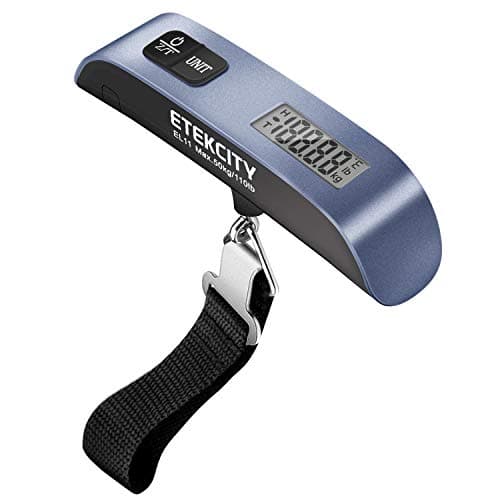
The overweight fee. Airline weight limits are enforced at the counter with no negotiation, and repacking a suitcase on the terminal floor is a bad start to a holiday. A digital luggage scale removes the guesswork at home. It is a small object that prevents an expensive, entirely avoidable charge — the definition of a good practical gift, and it is why it shows up on so many of our lists.
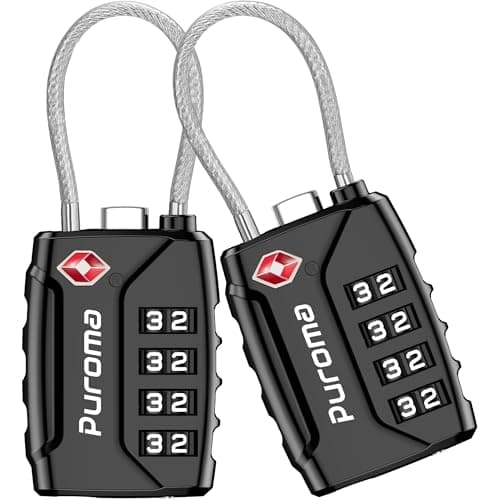
The lock that gets cut off. A checked bag can be opened for inspection, and a non-approved padlock is removed by force. A TSA-accepted lock is opened with a master key and closed again. Buying a traveler a lock that screeners cannot open is worse than buying them no lock at all.
The bag that does not arrive. A Bluetooth tracker in a checked bag turns "the airline is looking into it" into "it is still at the airport I left from", which is the information that actually gets a bag back. Which tracker depends entirely on their phone — we cover that in AirTag vs Tile vs SmartTag and rank the field on our best luggage tracker roundup.
If you are buying the cabin bag, hard or soft?
For a carry-on specifically, soft-side has one advantage that matters more in the cabin than anywhere else: it squashes. An overhead bin at the end of boarding is a game of inches, and a fabric bag gives where a polycarbonate shell simply will not. Soft bags are also usually lighter, which matters on the carriers that weigh cabin baggage.
Hard shells win when something inside can break, and they wipe clean rather than scuffing. The full argument, including the cold-weather cracking question, is in hard shell vs soft side luggage. Both of the cabin bags we recommend here are on our best carry-on luggage roundup with the rest of the field.
There is a third answer worth considering: a travel backpack instead of a wheeled bag. It suits trains, cobbles and stairs, and it fails on anything longer than a few days for most people. We put the two head-to-head in travel backpack vs carry-on suitcase.
If the bag is going into the hold anyway, the anti-loss routine is worth reading first: how not to lose your luggage.
Two mistakes to avoid
The matching three-piece set. It looks generous under a tree and it is mostly a way to receive two bags nobody wanted. The middle size in these sets is usually neither cabin-legal nor big enough to check, which is the worst possible place for a suitcase to sit.
Buying the biggest bag you can find. Volume is not a feature once the airline's weight limit is the binding constraint. A 32-inch case filled with clothes will hit a standard checked weight limit long before it is full, so the extra capacity is dead space that makes the bag heavier and harder to store.
The short version
Buy the cabin bag for almost everyone. Buy the checked bag only for families, gear-heavy trips and people who are effectively moving. If they already have luggage, skip the suitcase entirely and buy the scale, the TSA locks and a tracker — three small things that fix the three ways a checked bag ruins a trip, for a fraction of the price of another suitcase.
If you are still weighing budget rather than size, our how much to spend on a travel gift guide covers where luggage sits against normal gift ranges, and gifts for frequent flyers has the wider list for someone who flies constantly.
Choosing between them, in five questions
1. Do they fly alone or with a family?
Alone or as a couple, cabin. With small children, checked — no packing strategy beats the volume a family needs.
2. How long is a typical trip?
Up to about a week, a cabin bag is genuinely enough for most people. Beyond that, or in winter, checked capacity starts to earn its keep.
3. Do they already own a working suitcase?
If yes, buy the fixes rather than a replacement: scale, TSA locks, tracker. A second suitcase is the least useful luggage gift there is.
4. Do they fly basic fares?
If they do, a good cabin bag saves a fee on every single flight, which makes it the gift that keeps paying.
5. Is anything inside fragile?
Fragile contents point to a hard shell. Tight overhead bins and airline weight limits point to soft-side. Decide on contents, not looks.