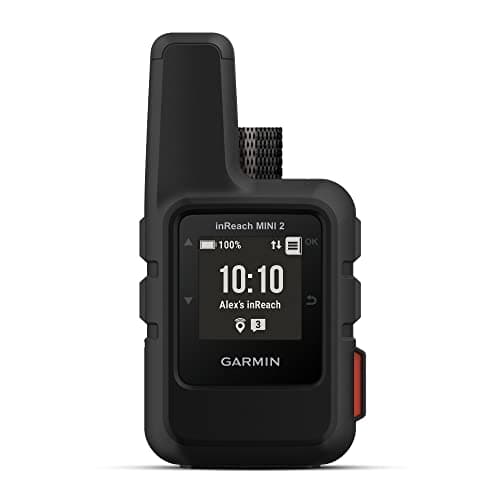
The best adventure gift is the one that works when nothing else does. A satellite communicator is the clearest example: two-way messages and an SOS from places where a phone is a brick. It's expensive and it carries an ongoing subscription, so be honest about that — but for someone who genuinely goes beyond cell coverage, nothing else on this page comes close in value.
What "adventure traveler" actually means for gift buying
The label covers a wide range, from someone doing a guided trek in Peru to someone soloing multi-day routes in the backcountry. Where they sit on that spectrum changes the gift completely, so the first job is to place them. A useful test: do their trips regularly take them out of cell coverage, and are they carrying their own water, shelter and light? If yes to both, buy safety gear. If no, buy comfort and durability upgrades instead.
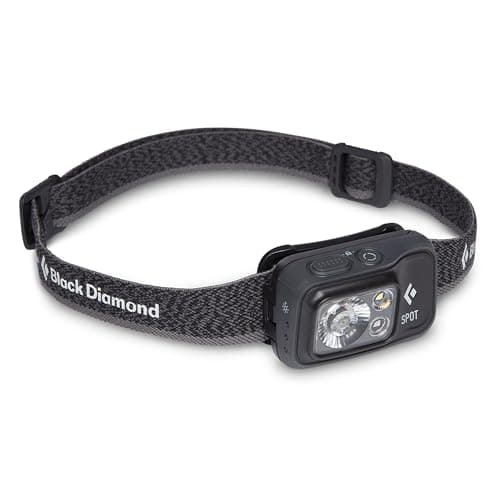
- Safety — a satellite messenger and a reliable headlamp. These are the two items that change outcomes rather than experiences.
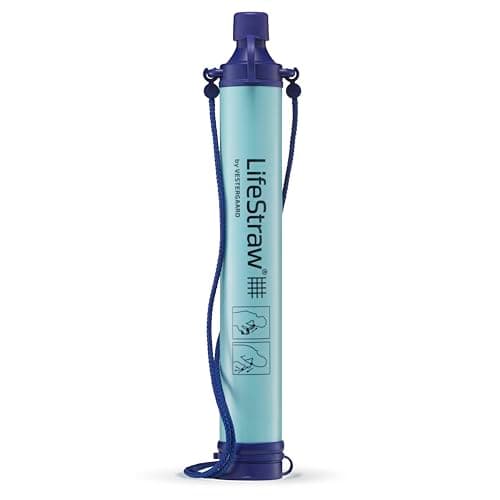
- Water — a personal filter weighs almost nothing and removes bacteria and parasites from a stream. It doesn't remove viruses or heavy metals, and it's worth saying so plainly.
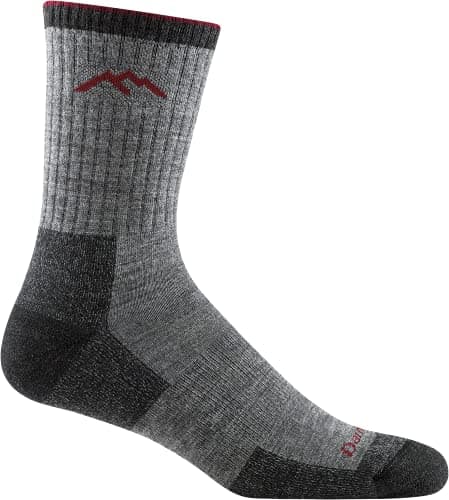
- Feet — the least glamorous, most appreciated category. Merino socks with a lifetime guarantee are the gift experienced hikers rave about, because blisters end trips.
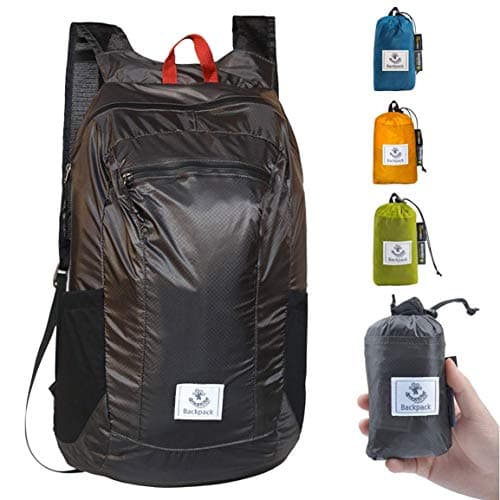
- Carry — a packable daypack that stuffs into a pocket turns a travel bag into a summit bag without adding real weight.
The subscription conversation, up front
A satellite communicator needs an active satellite plan to do anything. The device is a large purchase; the plan is a recurring cost the recipient will inherit. That's not a reason to avoid the gift — it's the best safety gift in this category by a distance — but it is a reason to say so when they open it, and to consider covering the first few months if the budget stretches. A gift that arrives with a bill attached and no warning is an awkward one.
If that's more than you want to take on, the honest downgrade is a very good headlamp plus a proper water filter. Together they cost a fraction of the price, they need no subscription, and they'll be used on every trip rather than only the remote ones. Our gifts for hikers list is built around exactly that tier.
Buy the boring thing
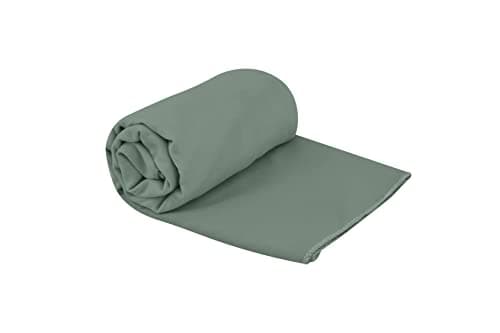
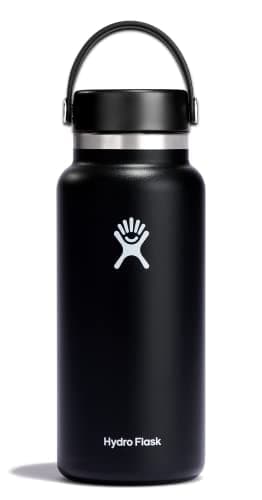
Ask experienced adventure travelers what they'd want and the answers are remarkably unglamorous: good socks, a light that works, a way to carry water, a towel that dries. The exciting purchases — the jacket, the boots, the pack — are ones they want to choose themselves, because fit is personal and an ill-fitting item is worse than nothing. That's the single most useful rule in this category: buy the consumables and the tools, let them buy the things that have to fit.
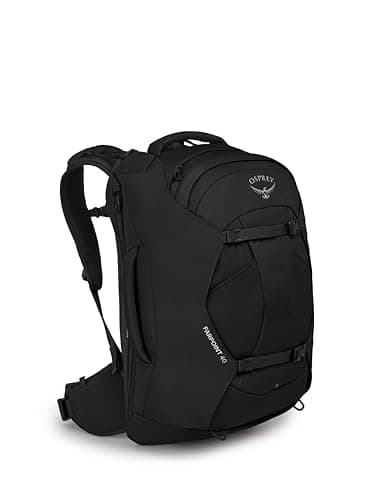
The exception is a travel backpack for someone stepping up from a suitcase to a real trip. If you know their torso length and the kind of trip they're taking, our travel backpack roundup explains how to get that right — and how carry-on rules interact with pack size.
What to skip
Skip anything sold on "survival" marketing — paracord bracelets, credit- card multi-tools, giant kits full of things nobody uses. Skip cotton clothing for cold or wet trips. And skip the assumption that expensive equals appropriate: a lightweight $20 daypack gets used more often, on more trips, than most of the premium gear in a serious traveler's cupboard.
How to choose a gift for an adventure traveler
The terrain decides. Five questions to place them properly before you spend.
1. Do they leave cell coverage?
This is the dividing line. Regularly out of signal means safety gear is the highest-value gift there is. Mostly in coverage means comfort and durability upgrades are the better use of the same money.
2. Guided or self-supported?
On a guided trip, the operator carries water treatment, first aid and navigation. Self-supported means all of that is on them, and each piece becomes a legitimate gift.
3. How long are they out for?
Day trips reward light and water. Multi-day trips reward sleep, feet and the ability to dry things out. The longer the trip, the more the boring categories matter.
4. Do you know their sizing?
Boots, packs and technical clothing need to fit, and a gift that doesn't is a returns process. Socks are the exception — sizing is forgiving and the quality difference is immediately obvious.
5. What have they already worn out?
Adventure gear dies on a schedule. The headlamp with a flickering switch, the towel that's gone stiff, the socks with the thin heel — a replacement for any of those is a better gift than a new category they didn't ask for.