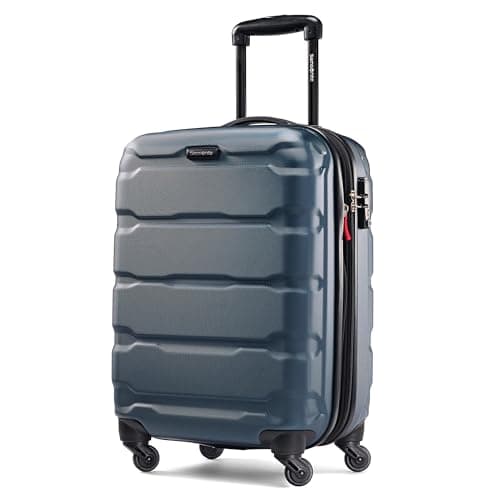
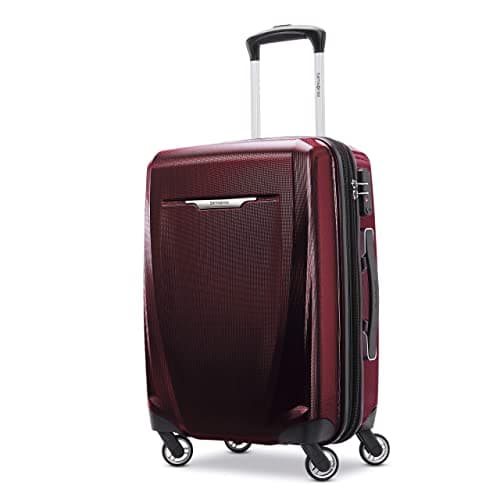
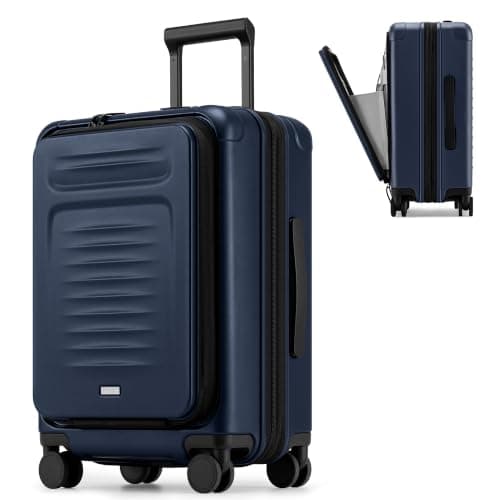
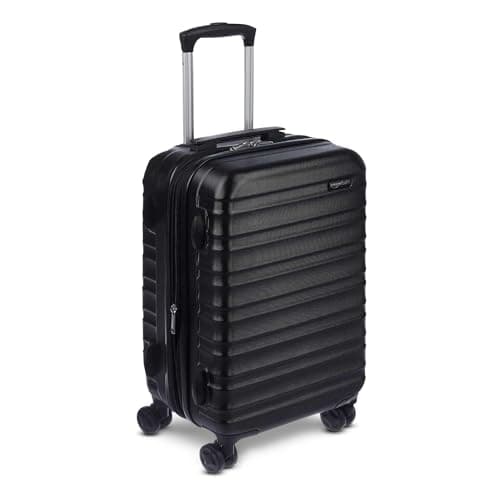
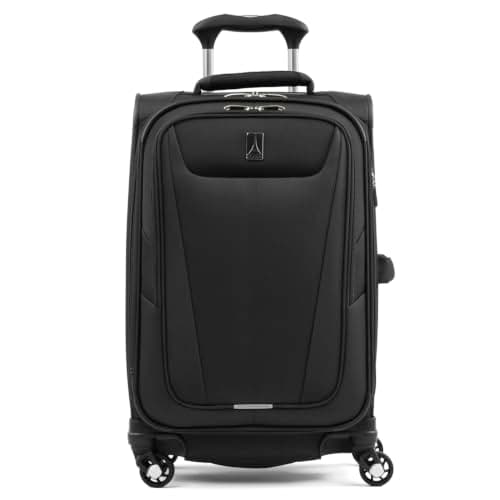
For most travelers, the right carry-on is a light softside spinner they can wheel to the gate and squish into a stuffed overhead bin. That's the Travelpro Maxlite 5, the bag flight crews quietly buy for themselves. But "best" depends on how the person you're shopping for actually travels, so here's how to match the bag to the traveler before you look at the picks below.
Softside vs hardside is the one real decision
Almost every other choice follows from the shell. A softside bag is fabric over a light frame: it flexes, it forgives an overpacked bin, it weighs less, and a scuff just brushes off. A hardside bag is a molded polycarbonate shell: it wipes clean, it protects anything fragile inside, and it usually arrives with a built-in TSA lock. Neither one is better in the abstract. They solve different problems, and the honest answer is that the traveler's habits decide it.
- Pick softside for the frequent flyer who fights for overhead space and gets weighed at the gate. It gives, and it's lighter.
- Pick hardside for the traveler who packs a camera, a bottle of something breakable, or just likes a clean shell and a lock they don't have to buy separately.
Weight is the spec that quietly bites
Empty-bag weight is the number nobody thinks about until the check-in scale flashes red. On a strict carry-on weight limit, every pound of bag is a pound of clothes that has to stay home. This is the whole case for a light softside: the lighter the bag, the more of the allowance is theirs to fill. Skip the urge to buy the heaviest, most armored case "just in case" for someone who mostly packs clothes. A tank of a suitcase protects nothing they own and eats their allowance every trip.
Wheels, handles, and the carry-on size rule
Modern carry-ons come as spinners (four wheels that roll in any direction, easy to steer down an aisle upright) or two-wheel rollers (you tilt and pull, but the wheels tuck in and can't roll away on a sloped jet bridge). Spinners win for most people. On size: most US airlines cap a carry-on around 22 x 14 x 9 inches, but that is not a universal law, and low-cost carriers and international airlines are often stricter. Always check the airline the recipient actually flies before you buy, because a bag that's a hair too big becomes a checked bag at the worst moment.
Two brand names account for most of this category, and choosing between them is the weight-versus-shell question with labels attached: Travelpro vs Samsonite.
If the question behind the shortlist is really a brand one — whether a designer bag is worth four or five times a Samsonite — the warranty terms settle it faster than the spec sheets do. See TUMI vs Samsonite.
When the budget bag is genuinely enough
A cheap hardside spinner is a real, working suitcase, and for someone who flies once or twice a year it's a perfectly good gift or a smart first bag. Where the budget option shows its price is under heavy use: the wheels and zippers are the first to go. So the rule is simple. For an occasional traveler, the budget pick does the job. For someone who flies constantly, spend up to a Travelpro or a Samsonite that will survive years of gate-checks and outlive two cheap bags. Whichever you choose, a set of packing cubes turns the empty shell into organized shelves, and it's the natural pairing for any bag on this list. Shopping for someone who's always on a plane? Our gifts for frequent flyers guide bundles the whole kit. And if their trips are mostly weekends, stairs and small cars rather than airport terminals, a travel duffel is the honest alternative to wheels — lighter, cheaper, and it folds away at home. One more timing note: mainstream luggage from Samsonite and Travelpro has a documented record of November sales, so if the bag is a holiday gift, check our Black Friday travel gear hub before buying in October.
How to choose a carry-on
Work through these in order. The first two answers usually point you straight at one bag.
1. Softside or hardside?
Decide this first. Softside for lightness and squish into a full bin; hardside for a wipe-clean shell, crush protection, and a built-in lock. A frequent flyer who battles for overhead room is a softside person; a traveler who packs breakables or wants a lock included leans hardside.
2. How heavy is the empty bag?
If the airline weighs carry-ons, lighter is strictly better, because every ounce of bag is an ounce of allowance spent on nothing. This is where a light softside beats a heavy armored hardside for real-world packing.
3. Spinner or two wheels?
Four-wheel spinners are easier to steer through terminals and roll upright beside you. Two-wheel rollers can't roll away on a slope and keep their wheels out of the packing space. Most people are happier with a spinner.
4. Does it fit their airline?
Treat the common 22 x 14 x 9 inch figure as a starting point, not a guarantee. Check the exact limit for the airline they fly most, and remember budget and international carriers can be tighter. A bag that clears one airline can be gate-checked on another.
5. Does it have a TSA lock?
A TSA-recognized lock lets airport security open and re-lock the bag without cutting it. Most hardside cases build one in; softside bags often don't, so factor in a small add-on lock if that matters to them.
6. Budget-enough or buy-for-life?
Match the spend to the miles. An occasional traveler is well served by the budget hardshell. A constant flyer earns the durable pick, whose warranty and build pay off over years the cheap bag won't survive.