Sort the documents six weeks out, then buy four things. A first international trip feels like a packing problem and is mostly an admin one. The failures that ruin trips — a passport too close to expiry, a card frozen for suspected fraud, no way to charge a phone on arrival — are all preventable weeks in advance and none of them are solved by anything in a suitcase.
Six weeks out: the part nobody sells you
Check the passport expiry date, not just that you have one. Many countries require your passport to remain valid for a period beyond your departure date — six months is a common requirement — and airlines enforce it at check-in. This is the single most common reason a first-timer does not board. Check the destination's current rule on an official government source and renew early if it is close.
Check whether you need a visa or a travel authorization. Requirements change, and some destinations now use pre-travel authorizations that are quick to obtain but not optional. Confirm on the destination government's own site rather than a third-party service that charges to fill in the same form.
Tell your bank, and bring a second card. A card frozen for unusual activity on day one is a genuinely bad afternoon. Two cards from two different banks, stored in two different places, is the whole strategy — and one of them should be a card with no foreign transaction fee if you have the option.
Take photos of everything. Passport, visa, insurance, booking confirmations. Keep copies somewhere you can reach without your phone unlocked and online, because the scenario you are preparing for is the one where the phone is gone.
The four purchases that matter
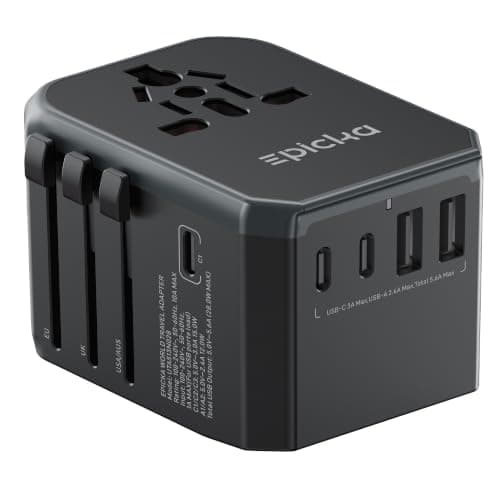
1. A universal plug adapter. The first-timer purchase. Plug shapes differ by country, and one adapter with the common shapes and USB ports replaces a drawer of regional ones. Read the input line on your chargers before you worry about voltage: anything marked 100-240V is dual voltage and needs only a plug adapter, which covers nearly every phone, laptop and camera charger sold today. The exception is single-voltage heating appliances — hair dryers, some stylers — and the practical answer there is a dual-voltage travel version rather than a transformer. Full explanation in travel adapter versus voltage converter.
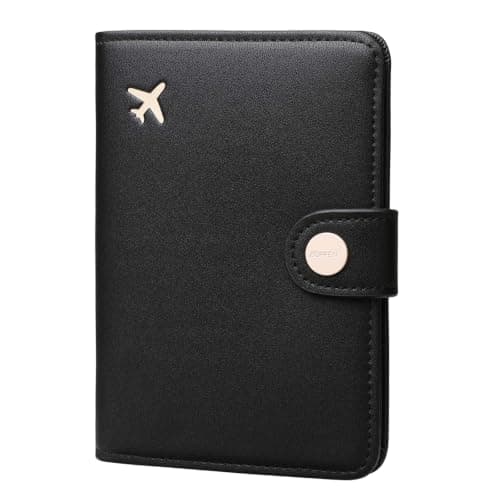
2. Somewhere for documents that is not a pocket.A passport wallet keeps passport, boarding pass and cards in one place that you check as a unit rather than four places you check individually. That is its real function: it makes "do I have everything?" a one-second question. Our travel wallet roundup is honest about the RFID-blocking claims that get attached to these, which are real physics attached to an overstated threat.
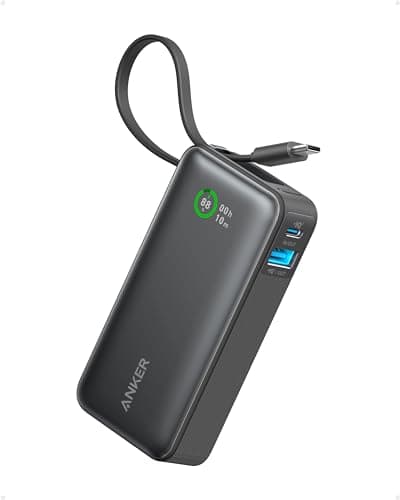
3. A pocket power bank. Arrival day is the worst day for a dead phone: it holds the boarding pass, the map, the booking and the translation app, and airport charging points are contested. Buy the size that fits in a jacket pocket rather than the biggest one, because the big one stays in the hotel. Remember that power banks fly in carry-on only, never in checked baggage — the rules are here.
4. A tracker in the checked bag.It does not stop a bag going missing; it changes the conversation with the airline from "we'll look into it" to "it is at the airport you just left". Match it to the phone in your pocket — our tracker comparison covers which works with which.
Liquids, locks and the security line
Every liquid, gel, cream, paste and aerosol in your carry-on has to fit container-size limits and go in one transparent bag. The rule that catches people out is that it limits container size, not the amount you bring: a half-empty full-size bottle is still not allowed. Buy a set of small refillable bottles once and stop thinking about it — see the liquids guide for details, including which unexpected items count as liquids.
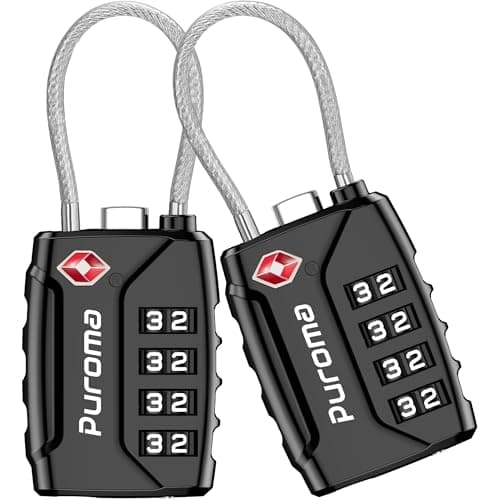
For checked bags, use locks that security services can open with a master key; anything else risks being cut off. A lock is a deterrent against casual opportunism, not a security device, and no soft bag is secure regardless of its zipper.
What not to bother with on a first trip
A money belt worn under clothing — the pickpocketing risk is real in specific places and a front pocket plus awareness handles it without the performance. A separate travel phone. Currency exchanged at the airport at home, which is reliably the worst rate you will be offered. A packing list of contingencies for a destination that has shops. And a second bag "just in case", which guarantees you fill it.
If the trip is to Europe specifically, the plug shapes, the budget-airline sizers and the pickpocketing question are covered in more detail in our Europe guide.
How the picks below were chosen
Scored against our published rubric from published specifications, manufacturer documentation and aggregated owner feedback. We do not run a lab and we do not claim measurements we have not taken. On this page usefulness is weighted toward things that prevent a bad arrival day rather than things that make a good trip better. Prices are live; where we have no verified price, the button says so rather than showing a stale number.