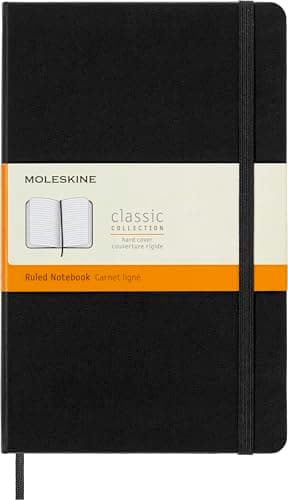
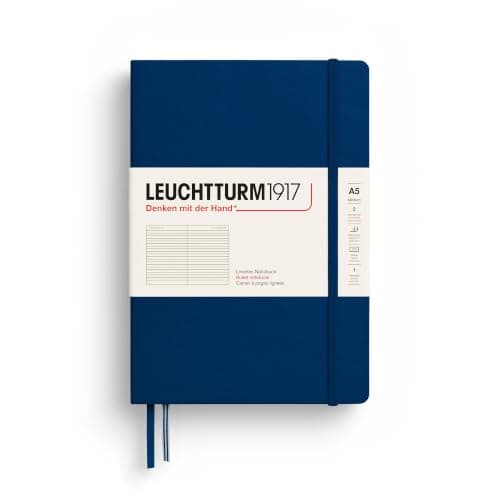
Buy the LEUCHTTURM1917 A5 if the journal is meant to be kept and re-read; buy the Moleskine Classic if the notebook has to read as a gift the moment it leaves the wrapping paper. That is the whole decision. Both are hardcover, both have an elastic closure and a pocket in the back for ticket stubs, and both will survive a year in a bag. The LEUCHTTURM adds numbered pages and blank index pages at the front, which turns a pile of entries into something searchable, and its paper handles ink better. The Moleskine adds something the LEUCHTTURM cannot buy: instant recognition. Hand someone a Moleskine and they know what it is and that it was not cheap.
Side by side
| | LEUCHTTURM1917 A5 | Moleskine Classic |
|---|
| Cover | Hardcover, elastic closure | Hardcover, elastic band |
| Numbered pages | Yes | No |
| Index pages | Blank index at the front | None |
| Keepsake pocket | Rear gusset pocket | Expandable back pocket |
| Lies flat | Lay-flat binding | Opens flat-ish; stiffer spine |
| Paper and ink | Handles most inks without much show-through | Thinner stock; can feather and ghost |
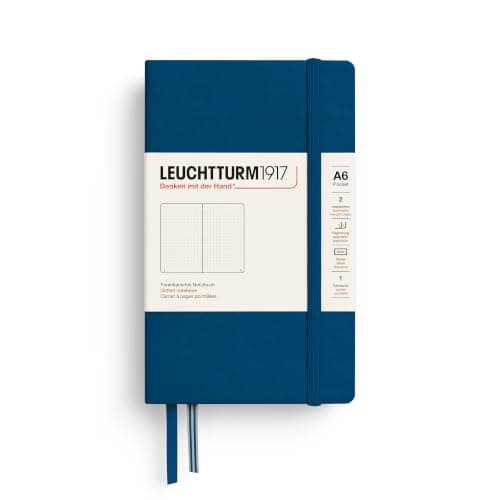
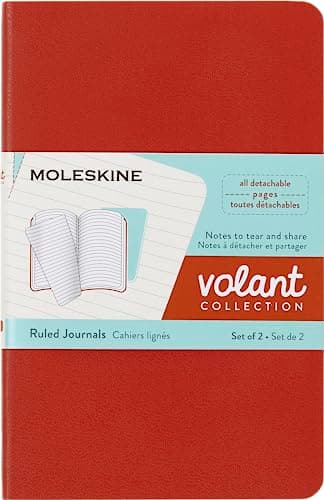
| Pocket version | A6 hardcover, 187 numbered pages | Volant soft cover, 80 pages, two per set |
Everything in that table comes from the two manufacturers' own product information and the current retail listings, which are linked in Sources. Where a brand does not publish a figure in a form that can be compared like-for-like, we have left the row descriptive rather than inventing a number for it.
The question that actually decides it: what do they write with?
Almost nobody asks this before buying a journal, and it is the one difference the recipient will notice on the first page. If they write with a fountain pen, a broad gel pen or any kind of marker, the LEUCHTTURM is the buy. Moleskine's paper is thinner, and thin paper with wet ink means feathering (the line spreading into fuzz) and ghosting (the writing showing through on the reverse). It is the single most common complaint about an otherwise lovely notebook.
If they write with a normal ballpoint or a fine-point hybrid like the uni-ball Jetstream, the paper difference stops mattering much, and the decision moves to presentation and structure instead. Our travel journaling pen roundup goes through which inks survive a trip, and whether pens leak on planes answers the question that usually comes next.
Where the LEUCHTTURM1917 wins outright
Finding things later. Numbered pages plus blank index pages at the front is a filing system hiding inside a notebook: write "Lisbon, day three" and a page number in the index and a year of travel becomes searchable in about four seconds. Nothing else in this comparison does that, and for anyone who keeps journals as a record rather than as a habit, it is the reason to buy.
The lay-flat binding is the other quiet win. A journal that stays open on an economy tray table without being held down is a journal that gets written in on the flight, which is exactly when people have time to write. And the rear gusset pocket swallows boarding passes, museum tickets and receipts, so the trip's paper ends up in the same place as the trip's writing.
One honest cost: it is more expensive, and it does not have the Moleskine's instant name recognition. Hand it to someone who doesn't know notebooks and you may have to explain why it's good — which is a real downside for a gift.
Where the Moleskine wins outright
Being recognized. The Moleskine Classic is the notebook people picture when they picture a travel journal, and that matters enormously for a present. It needs no explanation, it photographs well in a box, and the association with travel writing is already in the recipient's head before they open it. The expandable back pocket is genuinely better than the LEUCHTTURM's at holding a thick stack of keepsakes.
It is also the safer buy when you do not know the person's stationery opinions. A fountain-pen user has opinions; everyone else just wants a nice notebook, and this is a nice notebook with a ribbon marker and an elastic band at a price that does not feel reckless.
The costs are the paper, already covered, and the absence of structure. No page numbers and no index means it stays a diary rather than becoming a reference — fine for most people, frustrating for the ones who later want to find a restaurant name from two years ago.
Both brands make a pocket version, and they are not equivalent
This is where the comparison usually goes wrong. The pocket LEUCHTTURM1917 A6 is a hardcover with 187 numbered pages and an index — it is the full system, shrunk. The Moleskine Volant is a soft-cover memo book, 80 pages, sold two to a set. They are aimed at completely different jobs: one is a keeper that earns a shelf, the other is a consumable you fill and replace.
For a jacket pocket on a long trip, the A6 is the better object and costs accordingly. For a back pocket, a one-week trip, or a first attempt at journaling by someone who may not keep it up, the Volant (or a memo book) is the honest answer — and if that is the shape you want, our pocket notebook roundup ranks the whole category including both of these.
As a gift, they land differently
A Moleskine is the better unwrapping. A LEUCHTTURM is the better notebook. If the journal is the main present, the recognition is worth paying for, and nobody has ever been disappointed to receive a Moleskine. If the journal is part of a set — notebook plus pen, or notebook tucked into a travel gift basket — the LEUCHTTURM is the one they will still be using in three years, and the pen you pair with it does the presentation work.
One rule overrides both: do not buy either for someone who has never kept a journal and has never said they wanted to. A beautiful blank notebook is a quiet obligation, and the most common outcome is a lovely object with four pages used. Our gift list for journal lovers is written for people who already write, and how to start a travel journal is the thing to send someone who wants to begin.
What neither of them fixes
Neither notebook makes anyone a writer, and neither is waterproof. If the journal is going on a kayak, a motorbike or a monsoon, the paper itself has to change — that is a Rite in the Rain purchase, covered on the pocket notebook roundup. And if the real goal is a record of where they have been rather than what they thought, a guided or map-based journal lands better than a blank book with either of these covers.
Quick answers
Is LEUCHTTURM1917 paper really better than Moleskine's?
For wet inks, yes — it is the difference people report most consistently, and it is why fountain-pen users are so firm about it. With a ballpoint the gap narrows to something most writers would not notice.
Which one is better for sketching?
Neither is a sketchbook. Of the two, the LEUCHTTURM's heavier stock copes better with pen-and-ink and light washes; for anything wetter, buy an actual sketchbook and keep the journal for writing.
Dotted, ruled or plain?
Dotted is the safe gift: it supports writing, lists and a quick sketch without committing to lines. Ruled is right for someone who only ever writes prose. Plain is a preference you should not guess at.
Is the pocket size big enough for a journal?
For notes, yes. For long entries, the pages are small enough to feel cramped if the handwriting is large. The A5 is the size most people mean when they say travel journal.
What you should spend
Both sit in the middle of the stationery aisle rather than the top of it, and the pocket versions cost meaningfully less than the full-size hardcovers. Every button on this page shows a live price with the date it was checked; where we have no verified price we show none rather than a stale number.