If you buy one thing, buy the noise-canceling headphones. Ask anyone who hates flying what sets them off and the answer is nearly always the sound: the engine pitch changing, the seatbelt chime, the cabin going quiet before turbulence. A good pair of over-ears removes most of that, and it's the single gift nervous flyers most often say they wish they'd bought years earlier. Everything else on this list is about giving the person one more lever of control over a situation that feels like it has none.
What a nervous flyer actually needs from a gift
First, an honest note. Nothing here treats a fear of flying, and we aren't going to pretend a neck pillow does. Anyone whose anxiety is severe enough to stop them traveling should talk to a doctor; there are courses and treatments that work, and a gadget is not one of them. What a gift can do is shrink the ordinary discomforts that an anxious brain magnifies. Four of them come up every time:
- Noise. Engine drone, chimes, other people. The ambient sound of a cabin is what most nervous flyers are reacting to without realizing it. Active noise canceling removes the low drone; a playlist or an audiobook covers the rest.
- Light and sightlines. Watching the wing flex, the cabin lights dim, the seatbelt sign blink. A real blackout mask takes the visual cues away, which for a lot of people is the point at which they can finally doze.
- Fidgeting and posture. Tension shows up in the neck and shoulders. A pillow that genuinely holds the head still means the person isn't fighting their own body for six hours.
- The empty hours. An anxious mind with nothing to do will find something to worry about. A Kindle with a downloaded book, or a notebook to write the worry down, gives it a job instead.
Every pick below maps to one of those four. If the person you're buying for has told you which one bothers them most, start there. If they haven't, start with the headphones.
The picks, in gifter language
Over-ear noise-canceling headphones
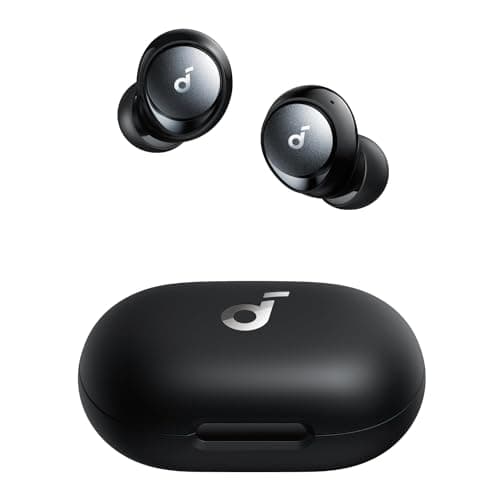
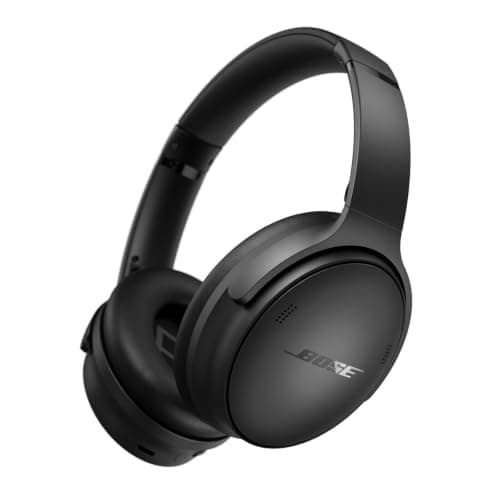
The headline gift. Over-ears beat earbuds for a nervous flyer for two reasons: they physically block sound as well as canceling it, and they stay comfortable for an entire long-haul without the ear fatigue that buds cause. The Bose QuietComfort is the pair we recommend to people who care about comfort above everything, which describes this recipient exactly. It's the priciest thing here, and for a big occasion it's worth it. If the budget is tighter, the Soundcore Space A40 earbuds are the sensible version: proper active noise canceling at a fraction of the price, and small enough to live in a pocket. What to check before buying: that the person doesn't already own a pair (ask casually, or look at their commute), and whether they use an iPhone or Android — both picks work with either, but AirPods-style buds would not. Our full ranking is in the best noise-canceling headphones roundup.
A true blackout sleep mask
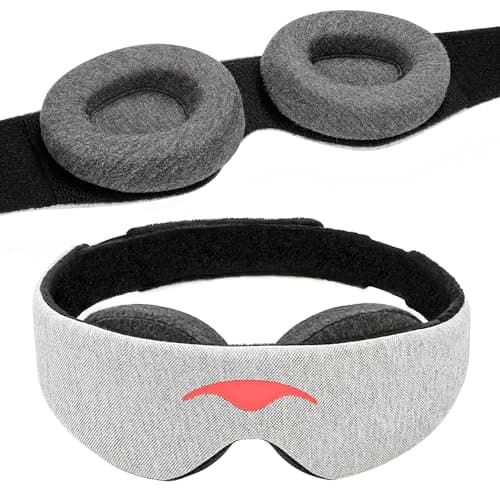
Not the flat fabric strip from the airline amenity kit. The Manta has molded eye cups that sit off the eyelids, so the person can open their eyes in total darkness — which sounds like a small thing until you're the one trying to stop watching the wing. It's adjustable, washable and packs flat. This is the pick that most often gets described as "I didn't know I needed this." Check the fit note on the listing if the person wears eyelash extensions or has a very small face; the cups are adjustable but not infinitely so.
A pillow that stops the head-bob
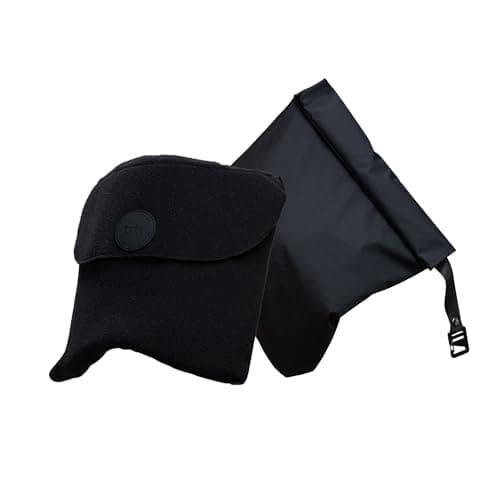
Classic U-shaped pillows let the head fall forward; the jolt of it snapping back is exactly what wakes a tense sleeper. The Trtl is a scarf with an internal support that holds the head upright against the shoulder instead. It's odd-looking and it's the most divisive pick on this page — some people love it instantly, some never take to it — but for the specific problem of "I can't relax my neck" it's the one we'd try first. It also weighs almost nothing and rolls up small, which the person will appreciate on the way home. If they're a side sleeper, the side-sleeper pillow guide explains why a different shape may suit them better.
A Kindle, loaded before the trip
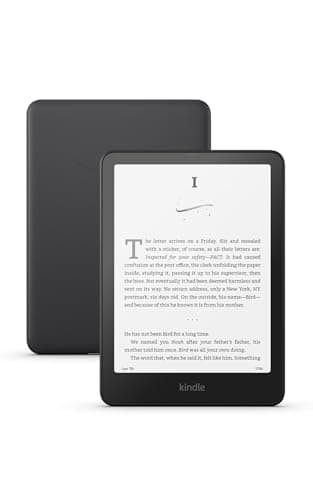
A phone is a bad distraction on a plane: no signal, a battery that drains, and a screen that invites doom-scrolling. A Kindle Paperwhite is the opposite — weeks of battery, a screen that reads like paper under any cabin lighting, and nothing on it but the book. The gift lands twice as well if you pre-load it. Buy the device, set it up on their Amazon account (or a gift card if you don't have access), and put two or three titles they've mentioned on it before you wrap it. The person who has "a book to get into" boards a plane differently.
Motion-sickness bands
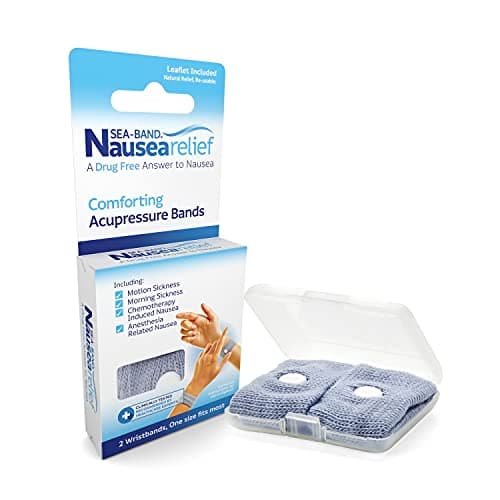
Sea-Bands are acupressure wristbands, and we'll be straight about the evidence: some people find them helpful for queasiness and some find no effect at all. They aren't a medicine and we're not recommending them as one. We include them because they're inexpensive, drug-free, and for the nervous flyer whose anxiety turns into nausea the moment the plane banks, having something on the wrist to press on is a small, real bit of agency. A stocking-stuffer-sized add-on, not a headline gift.
A journal to put the worry on paper
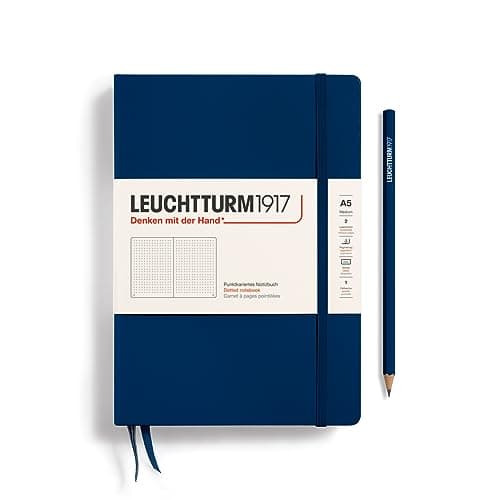
Writing the fear down is one of the oldest tricks for shrinking it, and it's the reason we'd put a good notebook on a nervous flyer's list ahead of another gadget. The LEUCHTTURM1917 is the one to gift: numbered pages, an index, a pen loop, and a hard cover that works on a tray table. Pair it with a pen that won't leak at altitude — our pens-on-planes guide covers which ones do — and it becomes a complete "flight kit" rather than a stationery item.
A packable blanket
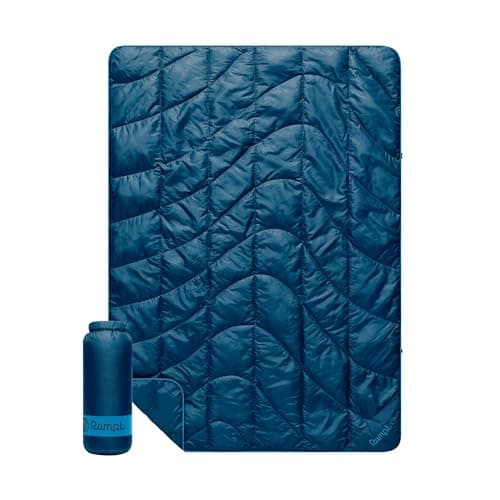
Cabins run cold, and being cold makes everything feel worse. The Rumpl Travel Puffy is a down-style blanket that stuffs into its own pocket and clips to a bag; it's warmer and far less scratchy than anything the airline hands out. It's the comfort pick — the one that makes the seat feel a little more like a sofa. For a look at the alternatives, including cheaper fleece options, see the best travel blanket roundup.
How to give this without making it awkward
A gift that says "I know you're scared of flying" can land badly. Frame it around the trip, not the fear: "for the flight to Lisbon," not "for your anxiety." Put two or three of the small items together as a flight kit — mask, bands, notebook and pen — inside a packing cube so it reads as a considered set. And if you go for the headphones, hand them over early enough that the person can charge them, pair them and load a playlist before the day. A gift that needs setting up at the gate is a stressor, not a comfort.
If the person flies constantly rather than occasionally, the gifts for frequent flyers list covers the same territory from the other direction — comfort for someone who has made peace with the cabin but wants it to be less of a grind.
How to choose a gift for someone who hates flying
1. Ask which part bothers them
Noise, sight, posture or boredom. Most nervous flyers can tell you in one sentence. Match the gift to the answer and you'll get it right the first time; guess and you're buying a pillow for someone whose problem is the engine sound.
2. Over-ear beats in-ear for this person
Earbuds are more convenient. Over-ears block more sound passively and stay comfortable for longer. For someone who is actively distressed by cabin noise, the difference matters. Buy buds only if budget or pocketability decides it.
3. Nothing that needs setting up on the day
Charging, pairing, downloading, sizing — do it before you wrap it, or gift it early enough that they can. The point is to remove friction from the flight, not add a task to it.
4. Don't overclaim
No product on this page treats anxiety, and we'd be suspicious of any that says it does. These are comfort tools. If the person's fear is serious, the kindest gift may be an honest conversation and a link to a proper course.