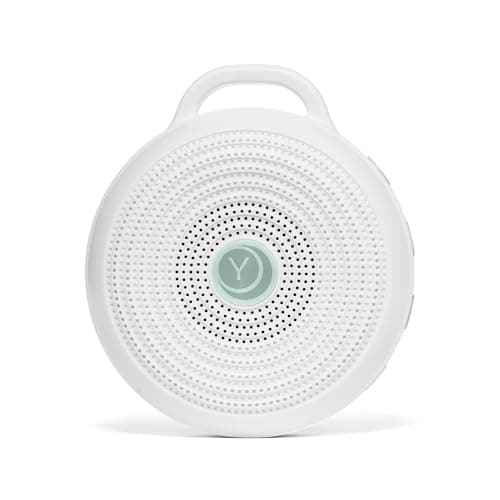
The Yogasleep Rohm is the pick under $50, and it is for the traveler who wants one small object that works in a hotel room, a spare room and a plane seat without being thought about — three sounds, a lanyard, and a charge that covers a night. The budget pick is the Magicteam 20-sound machine, which is the cheapest thing here that genuinely does the job, with one condition attached: it runs on an outlet, so it only suits rooms where there is reliably one near the bed. Every price below is read live from our price layer and carries an as-of date in the table — the $50 band describes those prices on that date, not forever.
What the budget actually costs you, and what it does not
Here is the thing that makes this a genuinely good band to shop rather than a compromise. In most travel-gear categories, cutting the budget costs you the thing the product is for. In sound machines it does not. Every machine on this page produces real, usable masking noise. What you give up is measured in three other currencies:
- Hours. This is the big one. Battery runtime is the single clearest difference between this band and the tier above it — at the top of the market you get a device that covers several nights on one charge, and here you get one that covers a night, or that needs a wall.
- Headroom. Not sound quality but sound quantity. A cheap machine at full volume against a genuinely loud corridor is working harder than an expensive one at three-quarters, and a machine running flat out sounds thinner. Nobody publishes a usable decibel figure in this category, ourselves included, so we rank on the physical size of the driver and the honest reports of owners rather than on a number we cannot verify.
- Non-looping sound libraries. A short recording that restarts has an audible seam, and once you hear the seam you cannot stop hearing it. Non-looping or generated sound is the one genuinely premium feature that does appear inside this band — on exactly two of the five picks.
What you are notgiving up: the actual masking. All five of these will cover a corridor door, a partner’s breathing and most of a television through a wall. The full argument about looping, sound color and what a machine is really fighting is on our main travel white noise machine roundup; this page is about what changes when fifty dollars is the ceiling.
So the decision collapses to one question
Is there reliably an outlet by the bed?
That sounds too simple to be the main criterion, and it is nevertheless the one that decides which of these five is right. Because runtime is the thing the budget takes away, the answer changes the shortlist completely:
Yes, always an outlet— a long hotel stay, a rental, a dorm room, a parent’s spare room. Then battery is worth nothing to you and you should spend the money on sound library and volume instead. The mains-powered pick is the cheapest machine here and has the largest sound list of any of them, which is not a coincidence: it spends nothing on a battery.
No, or not predictably — a plane seat, a train, a campervan, a cruise cabin with two outlets already fighting over chargers, a child falling asleep in a car. Then runtime is the spec and everything else is secondary. Two of the picks here run for well over a day on a charge and that is the reason to choose them.
Honestly, you do not know — because it is a gift, or because the trip is not planned yet. Then buy rechargeable and accept the shorter list of sounds. That is our top pick, and it is why it is our top pick.
One practical note that catches people out and costs nothing to avoid: on an international trip the machine itself is almost never the problem, but its charger might be. Anything that charges over USB-C can run off a power bank or a laptop, which is the simplest way around an unfamiliar socket — see our travel adapter roundup if the trip is going abroad, and the power bank band page if a second night without a wall is likely.
How we built the band
Three rules, so this page cannot drift into a claim it is not entitled to.
- A pick only appears if our live price layer shows it under $50. No product record on this site carries a price field at all — by design. Every number in the comparison table is read at request time from the price layer and stamped with the date it was collected. If one of these crosses the line, the number you see will say so rather than the page quietly lying to you.
- At least three qualifying picks, or no page. Five qualify here, which is comfortably a shortlist rather than a band scraped together. We looked at the $25 band too and did not build it: three machines qualify, but the closest one sits about four dollars under the line, which is too thin a margin to hang a page on.
- Machines over the line are named in prose, never ranked as picks. One is worth knowing about. The SNOOZ Go 2 sits above this band and is the machine to buy if the recurring problem is genuinely thin walls: brown noise, a much larger battery, and a loop lock so it can hang from a bunk or a cot rather than sit on a surface that may not exist. It is on the main roundup and not here, because it is not under $50.
Beyond price we rank on power source, published runtime, whether the sound library loops, and packed size. We compile published listing specifications and manufacturer documentation, score each pick against our published rubric, and pull live prices. We have not measured the output of any of these machines and we publish no decibel figures, because we have no lab and a decibel number invented by a gift site would be worthless.
Which machine for which room
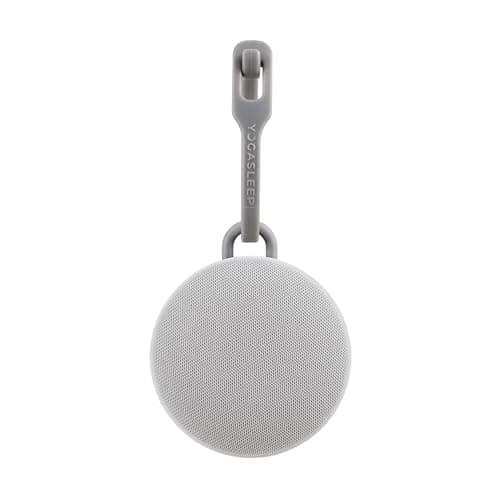
You do not know the room — so start here. The Yogasleep Rohm. Three sounds, two white and one surf, up to about eight hours on a charge, under four ounces, with a lanyard so it can hang from a bunk rail, a cot, a tent loop or a hook on a cabin wall. It is the pick because it is the one that is never actively wrong: it needs no outlet, it is small enough that nobody resents packing it, and the sound list is short enough that there is no setup. That it is also nearly the cheapest machine on this page is the happy part.
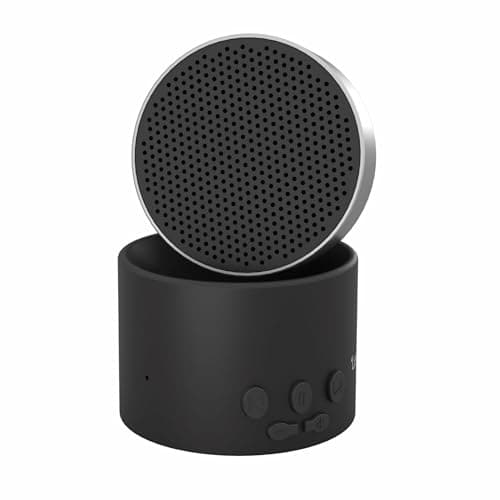
A light sleeper who notices the seam. The LectroFan Micro 2 — the top of this band and the one that earns it. Eleven non-looping sounds, up to about forty hours of sound on a charge, and a Bluetooth speaker with a mic built into the same cube. That last part is worth more than it sounds for a traveler: it means one object covers both the sleep problem and the hotel-room-speaker problem, which is exactly the argument for carrying it in a bag that is already full. If someone has tried a cheap machine and been irritated by the repeat, this is the specific upgrade.
A baby or a toddler away from home. The Yogasleep Hushh 2. Six sounds including the fan sound the brand is known for, up to about thirty-four hours on a charge, a child lock so small hands cannot change it, and an amber night light rather than a blue one. Thirty-four hours is the number that matters here: it covers a long flight, a day of naps and a first night in an unfamiliar room without anybody hunting for a charger. Our kids’ travel accessories roundup covers the rest of that kit.
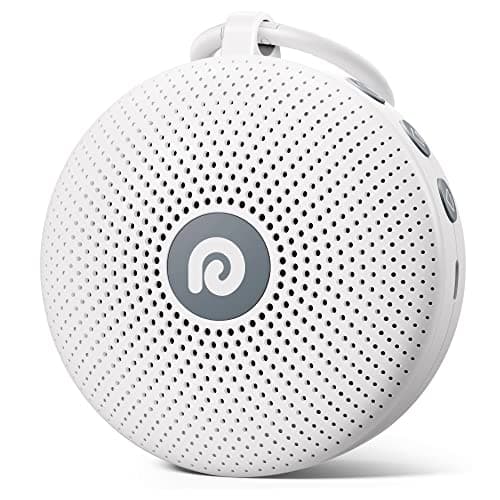
A first machine, or a gift for somebody who is not sure they want one. The Dreamegg portable. Twenty-one sounds across white, baby and nature, rechargeable, palm-sized, with a clip and a lanyard. We are honest about where it sits: it is not as refined as the two above it and its sound list is longer than anybody needs. What it is, is a low-risk way to find out whether the recipient is a sound-machine person at all, which for a gift is a genuinely useful property.
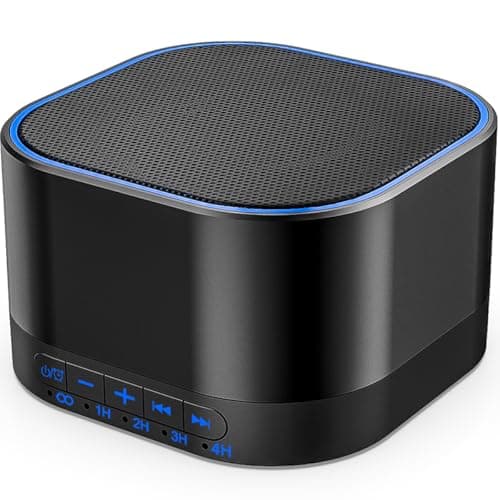
A long stay, a rental, or a dorm. The Magicteam — our budget pick, and the cheapest machine here. Twenty non-looping sounds, thirty-two volume levels with memory so it comes back on where you left it, a timer, and mains or USB power. The condition is the whole story: it needs an outlet, so it is the wrong machine for a plane and the right one for six weeks in a rented room. For that use it is better value than anything else on the page, because it spends none of its budget on a battery.
What a sound machine under $50 will not do
Three limits, stated plainly, because a page that only recommends is not advice.
It will not beat a genuinely loud neighbour. Masking works by raising the floor, not by cancelling. Against a party through a wall, no machine at this price has the headroom, and the honest answer is earplugs, a room change, or both. If noise on a plane specifically is the problem, the money is better spent on our noise-canceling headphones picks, which solve a different problem by a different mechanism.
It will not fix light. People who sleep badly away from home usually have two problems, not one, and the cheaper of the two to fix is light. A good sleep mask under $25 costs a fraction of any machine here and, for most travelers, buys more sleep per dollar than anything else in the bag.
It will not survive being forgotten. The most common failure of a travel sound machine is that it is at home. A lanyard, a clip and a size that disappears into a tech pouch are not charming extras — they are the features that decide whether the thing gets used, which is why they are ranked here as heavily as sound.
Buying one as a gift at this price
Sound machines are an unusually good gift in this band for a reason worth naming: they are the classic object people are glad to receive and would never buy. Nobody shops for one until a bad night has already happened, and by then they are at home.
Two practical notes. First, prefer rechargeable when you are buying for somebody else, even though the mains machine is cheaper and has more sounds — you do not know what their room looks like, and a machine that needs a wall it does not have is a machine in a drawer. Second, it bundles better than it stands alone: a machine plus a mask is the whole travel-sleep problem addressed for well under fifty dollars together, and it reads as a considered present rather than a gadget. More at this budget in travel gifts under $50, and the people most likely to actually use one are in gifts for frequent flyers and gifts for nervous flyers.
Answer the outlet question first
It decides everything else in this band. Reliable outlet: buy mains, get more sounds and more volume for less money. No reliable outlet: buy rechargeable and treat published runtime as the headline spec. Not sure: buy rechargeable.
Runtime is what the budget takes, so read it
Published runtime is the clearest honest difference between machines at this price. Eight hours covers a night. Thirty-plus hours covers a flight, a day of naps and a first night without anyone finding a charger.
Non-looping is the one premium feature inside this band
A short recording that restarts has a seam, and a light sleeper will find it. Two of the five picks here generate or stream sound without a loop; if the recipient has already been annoyed by a cheap machine, that is the specific thing to fix.
Ignore the size of the sound list
Twenty sounds is a marketing number. Nearly everyone settles on one within a week and never changes it. A machine with three good sounds and a battery beats a machine with twenty and a power cord, unless the outlet question above said otherwise.
Check how it attaches, not just how big it is
A lanyard, a clip or a loop lock means it can hang from a bunk, a cot, a tent or a cabin hook. Hotel rooms, cabins and campervans routinely have no surface near the head of the bed, and a machine on the floor is working against the carpet.
USB-C charging is the quiet travel feature
It means the machine runs off the same charger, power bank or laptop as everything else in the bag, and it removes the need for a second adapter abroad. A proprietary barrel plug is one more thing to leave behind.