Split your money and cards across two places, carry the day's cash and one card in a slim wallet in an inside pocket, and leave the rest where you are sleeping. Then — and only then — buy hardware. A locking-zip day bag and a slim RFID-blocking passport wallet are the two products that earn their place, and a ten-dollar portable door lock is the cheapest item on this site that changes how someone sleeps in an unfamiliar room. None of it works without the splitting habit, which costs nothing.
What actually happens to travelers
Three things, overwhelmingly. A wallet or phone leaves a back pocket or an open tote in a crowd — a metro car, a market, a queue at a monument. A bag left over a chair back or beside a cafe table walks off while its owner is looking the other way. And a room gets entered at a budget hotel or hostel where the lock is old and the key control is loose.
What does not happen is the scenario most security products are sold against: nobody is scanning a crowd for contactless cards or slashing bag straps in a planned attack. Defend the three real cases and the shopping list is short and cheap. Defend the imagined one and you end up carrying a money belt you resent.
The habit that beats every product: split everything
Two cards, in two places. The day's cash on you, the rest in the room. A photo of the passport on the phone and a copy in the cloud, with the physical passport left where you are staying unless the day requires it. One card and some cash in a bag that is not the bag you carry everywhere.
The point of splitting is not to prevent loss, it is to make loss survivable. A pickpocketed wallet becomes an annoyance rather than an emergency, and nothing you buy produces that outcome on its own. If a passport does go missing abroad, the US State Department's passport pages are the authoritative starting point for a replacement, and having a photo of the lost one makes that process materially faster.
A wallet you can keep in an inside pocket
The safest place for a wallet is an inside jacket pocket or a zipped internal pocket of a bag worn across the front of the body. That rules out anything bulky, which is why slimness is a security spec and not a style one: a fat wallet ends up in a back pocket because nothing else will take it.
On RFID blocking, here is the honest version, the same one we give on the travel wallet roundup. The physics are real — a lined cavity does attenuate the signal a contactless card responds to. The threat is oversold: contactless transactions are capped and tokenized, and the practical risk to a traveler is small compared with simply having the wallet taken. So treat blocking as a free feature on a wallet you were buying anyway, not as a reason to pay a premium. Buy the slim wallet; take the lining as a bonus.
The day bag is the thing that actually gets robbed
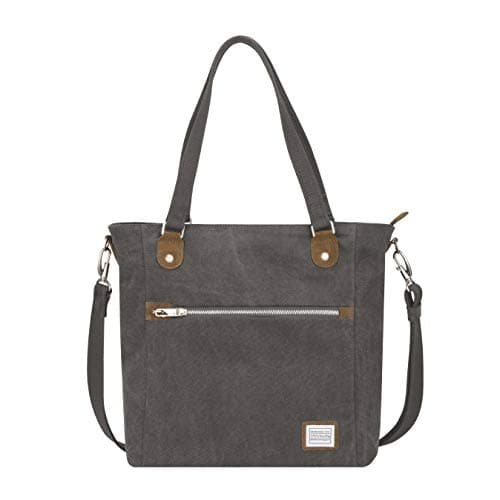
Not the suitcase in the room — the bag carried through a city all day with a phone, a wallet, a camera and a passport in it. Two features change the odds meaningfully, and both are mechanical rather than clever: locking zippers, so a zip cannot be run open behind you in a crowd, and a locking strap, so a bag cannot be lifted off a chair back in one motion. Those defeat the two things an opportunist actually tries.
Slash-resistant panels sit a step further out: genuinely useful in a few specific cities, unnecessary in most. The practical reason to buy a bag built this way is that it bundles all of it — locking zips, a locking strap, RFID pockets — for a fraction of what a designer tote costs, at the cost of looking exactly like what it is. We make the same point in luxury travel totes: a beautiful bag and a secure bag are mostly different products, and solo travelers tend to pick security.
One free habit matters more than any of it: wear the bag in front of you in a crowd, not behind. A bag on a back is a bag you cannot see.
Hotel rooms, hostels and the door
An in-room safe is better than nothing and worse than people assume — staff can open them, and the override codes are not a secret in every property. Use it for the passport and the laptop as a deterrent against an opportunist, not as a vault.
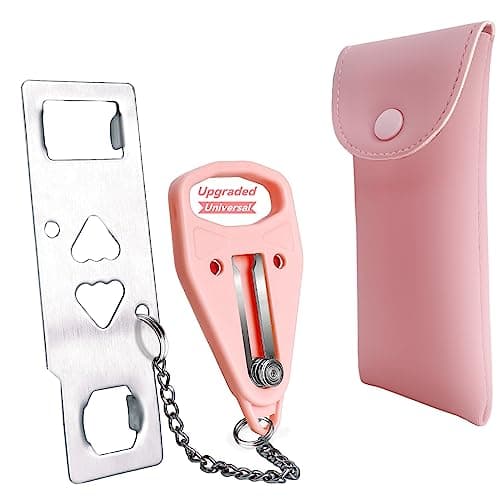
The thing that genuinely changes an unfamiliar room is a portable door lock: a small steel wedge that braces an inward-opening door from the inside, installs in seconds and leaves no mark. It is the cheapest item in this whole category and the one that changes how someone sleeps, which is why it turns up on our solo and study abroad lists. The limits are honest: it needs an inward-opening door with a suitable frame, and it does nothing for a door that opens outward.
Trackers belong in the wallet, not just the suitcase
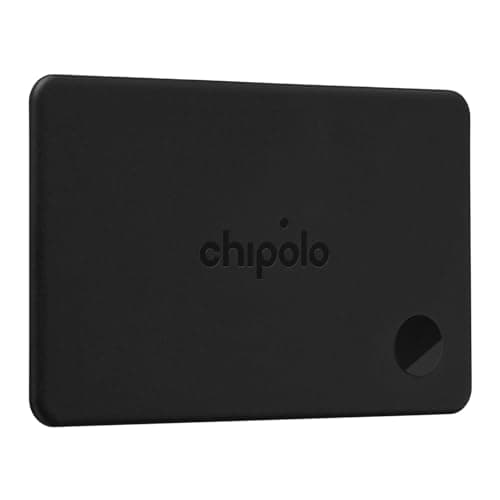
A card-shaped tracker slips into a wallet or a passport sleeve where a fob will not fit, and it addresses the specific object whose loss ruins a day. It will not recover a stolen wallet from a thief with any sense, but the most common outcome is not theft — it is a wallet left in a taxi, a cafe or a seat-back pocket, and for that it works. The luggage tracker roundup covers which network to buy into, and how not to lose your luggage covers the bags.
What we would not buy
A money belt worn under clothing. It works, and almost nobody keeps using one past day three. A security product that gets abandoned is worse than a habit that does not.
A dedicated RFID sleeve set. If blocking matters to you, it should come built into the wallet. Separate sleeves are a solution to a problem the wallet already solved.
A hotel safe alarm or a portable room alarm. They announce a problem rather than prevent one, and the realistic scenario they address is rare enough that the door wedge is the better ten dollars.
The five-minute version
Photograph the passport and the cards. Split cash and cards across two places. Carry the day's money in a slim wallet in an inside or front pocket. Wear the day bag in front of you in a crowd, with the zips locked. Put the wedge on the door of an unfamiliar room. That is the whole method, and the products on this page are the hardware that makes each step easier rather than the reason the method works.
If you are buying for someone heading somewhere specific, the city matters: our guide to gifts for someone going to Europe goes into which of this is worth packing for the pickpocketing-heavy destinations and which is overkill.
Choosing the pieces
1. The wallet: slim first, blocking second
Slim enough to live in an inside pocket, big enough for a passport if the day needs it. Treat RFID lining as a free feature rather than the reason to buy.
2. The day bag: zips and strap
Locking zippers and a locking strap are the two features that defeat what an opportunist actually does. Slash resistance is a bonus for a handful of cities.
3. The door: wedge, not alarm
A portable lock that braces an inward-opening door. Check it suits the doors where they are going — outward-opening doors are a dead end for every product of this type.
4. The tracker: card shape for documents
A card tracker goes where a fob cannot. Match it to the finding network the owner's phone belongs to, or it is a Bluetooth beeper.
What you should spend
The door lock and the tracker are both inexpensive and both punch far above their price. The wallet and the bag are where the money goes, and the bag is the one that defends the thing most likely to be targeted. Every button here shows a live price, and where we have no verified price we show none rather than a stale number.